1 week ago
Chennai Low-Floor Buses Improve Disability Mobility, Study Finds
A study looked at how people with disabilities and older people travel around Chennai.
It found that low-floor buses make it easier for people with disabilities to use public transport.
All 99 people asked about these buses were happy with them and wanted more buses.
However, many people still had trouble reaching bus stops because sidewalks were blocked or uneven.
Some buses also lacked wheelchair spaces, Braille signs, audio announcements, and suitable handrails.
Unhelpful experiences with staff or other passengers made some people avoid asking for help or using public transport.
The Metro was viewed more positively because trained staff helped passengers.
The study said buses, sidewalks, bus stops, staff, and information systems all need to work together to make travel accessible.

A Citizen Consumer and Civic Action Group study found low-floor buses significantly improved mobility for persons with disabilities in Chennai.
All 99 surveyed low-floor bus users expressed satisfaction and requested an expansion of the fleet, which currently numbers 1,540 buses.
The wider study surveyed more than 270 people and found blocked pathways and uneven surfaces remained major barriers to public transport.
About 41.5% said public transport interiors did not meet their needs, while only 4.5% were completely satisfied with them.
The report recommended accessible footpaths, improved bus designs, trained staff, audio and Braille information, and eventually converting the entire city bus fleet to low-floor buses.
- Who
- The Citizen Consumer and Civic Action Group conducted the study, which surveyed persons with disabilities and senior citizens in Chennai.
- What
- The study assessed mobility barriers and found that low-floor buses improved accessibility while significant infrastructure and public transport shortcomings remained.
- Where
- Chennai, including its public transport network, roads, footpaths, bus stops, stations, parks, and beaches.
- When
- The report was released on August 20, 2026.
- Why
- The study aimed to document lived mobility barriers and provide evidence to guide more inclusive transport and public-space policies.
Key facts
- Study title
- ‘Moving Without Barriers: Documenting Mobility Barriers Encountered by People with Disabilities in Chennai’
- Low-floor bus fleet
- Chennai has 1,540 low-floor buses.
- Low-floor bus respondents
- All 99 respondents surveyed about low-floor buses expressed satisfaction and requested more buses.
- Overall study sample
- More than 270 respondents participated through perception surveys and focus group discussions.
- Pedestrian barriers
- Nearly 68% reported blocked pathways or uneven surfaces while traveling to public transport.
- Vehicle interior concerns
- About 41.5% said public transport interiors were not designed to meet their needs.
- Interior satisfaction
- Only 4.5% were completely satisfied with public transport interiors, while 61.4% gave them the lowest rating.
- Planned footpath improvements
- The Greater Chennai Corporation outlined plans to improve 80 kilometres of footpaths with tactile and accessible pathways and junctions.
Quotes
Divya Arvind
Author of the CAG report
“The cumulative effect is one that impacts education, employment and healthcare.”
 deccanchronicle.com
“All of them asked for more low-floor buses in the city.”
deccanchronicle.com
Sources
Related news

Transport Minister Reviews Electric Bus Production at Switch Mobility Plant
Kolkata’s Older Residents Seek Safer, More Age-Friendly City

Tamil Nadu Extends Free Bus Travel Benefits for Differently-Abled Residents
Pune Study Finds Frequent Bus Access Has Fallen Sharply
Chennai Begins Second Phase of Electric Bus Expansion
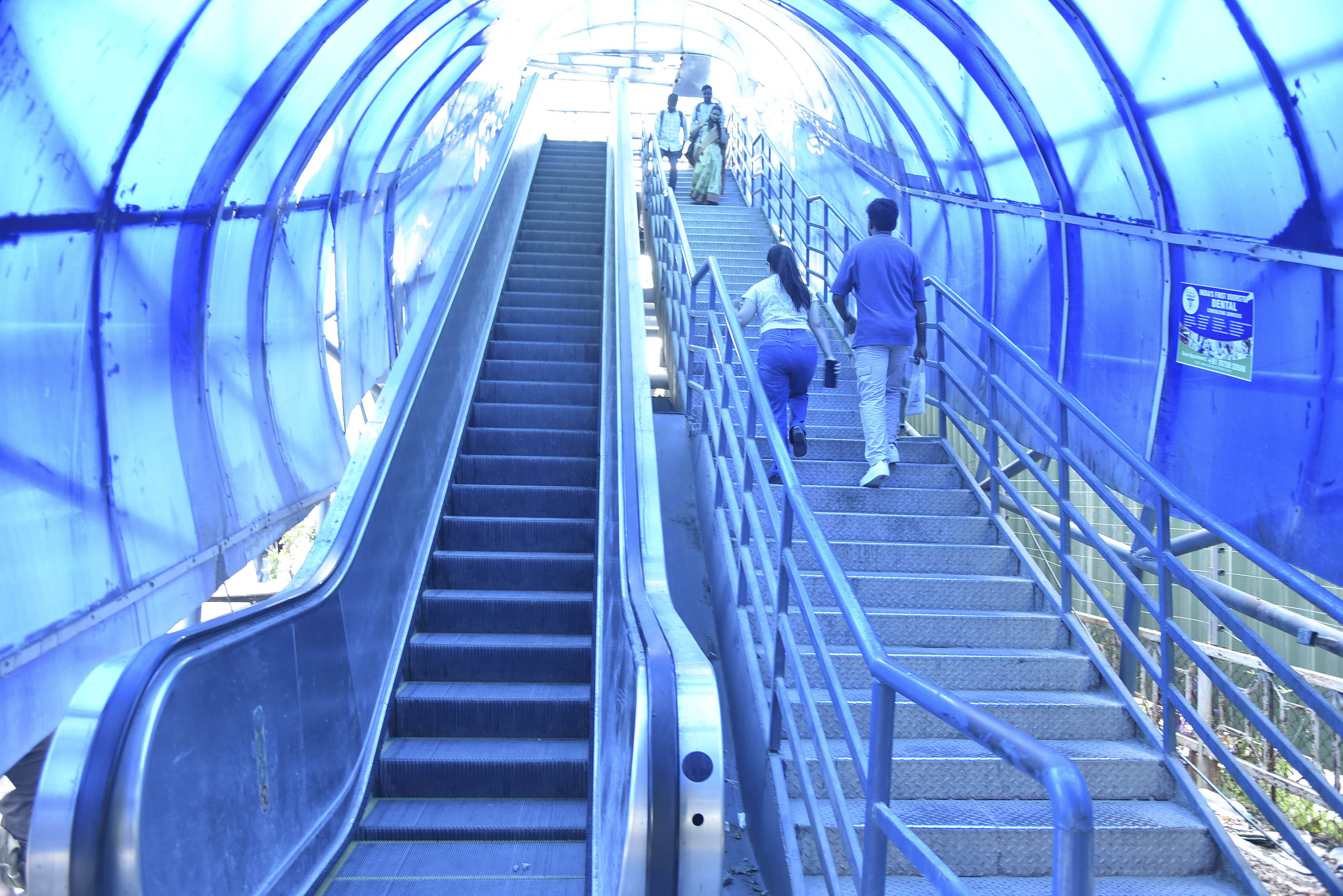
Faulty Hyderabad Escalators Leave Pedestrians Facing Risky Road Crossings

Readers propose stronger, wider, more resilient Indian GCC growth

Tamil Nadu Orders War-Footing Northeast Monsoon Preparations Across Chennai

TVK’s Vijay-for-PM Push Meets Congress Resistance Ahead of 2029

Vijay Announces Major Desalination Plant and Urban Infrastructure Projects

Inside Aditi Rao Hydari and Siddharth’s Chennai Home