5 days ago
West Asia Disruptions Keep Oil Prices Firm, $100 Risk Looms
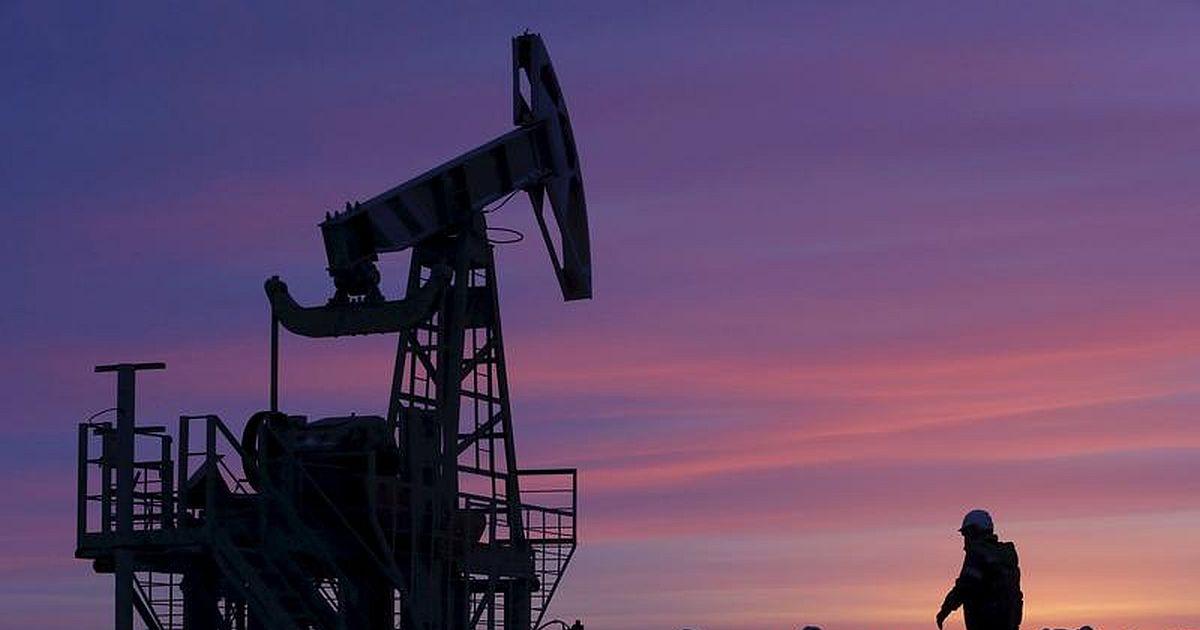
Oil prices are staying high because ships and oil supplies are being disrupted in West Asia.
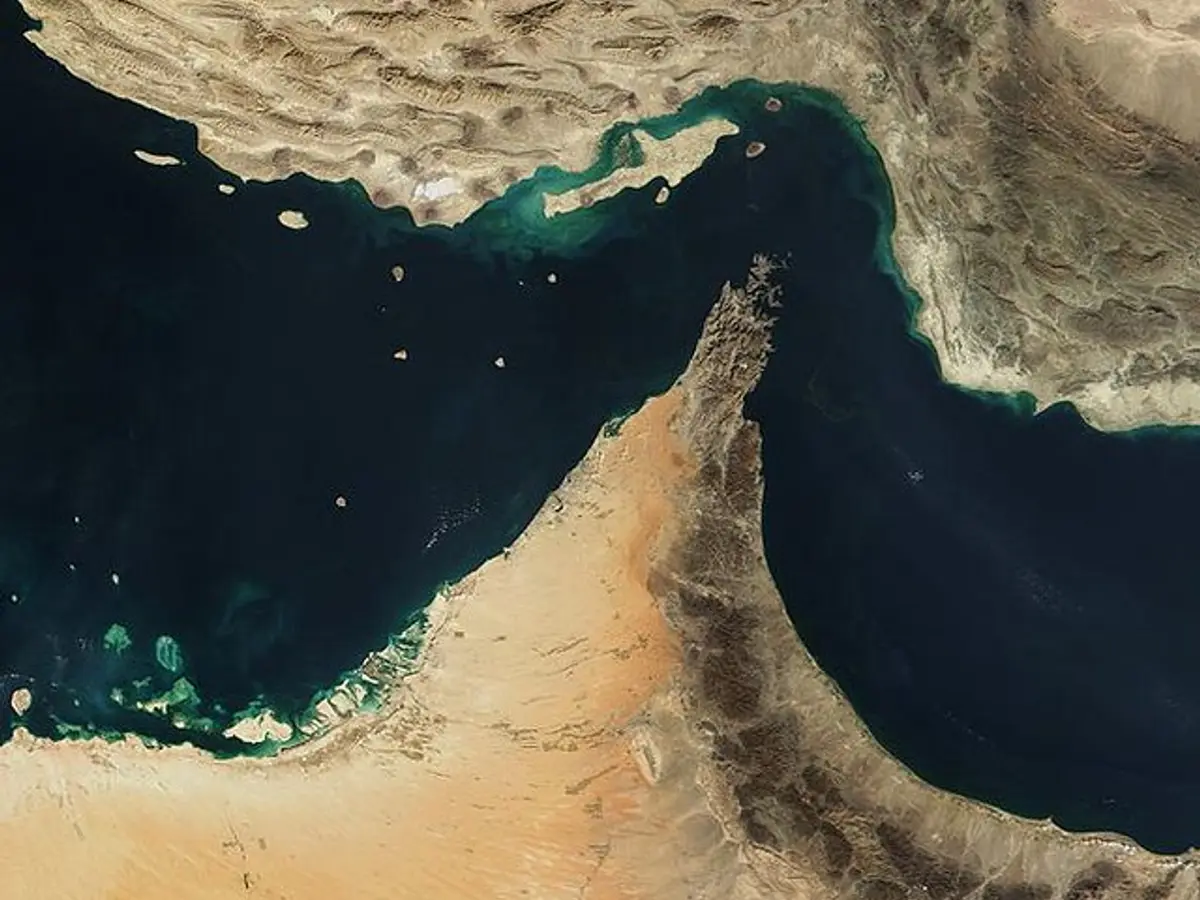
The Strait of Hormuz is especially important for shipping oil.
When less oil reaches the world, stored supplies go down and prices can rise.
The EIA thinks Brent oil will average about $85 per barrel in the third quarter of 2026.
Rabobank expects an even higher price of $90 per barrel during the third and fourth quarters.
The two groups expect prices to fall if shipping returns to normal and paused oil production restarts.
They also say prices could rise above $100 if the disruptions become worse.
A quick agreement between the United States and Iran to reopen the strait is currently considered unlikely.
The EIA expects prices to gradually decline as global inventories rebuild.

The EIA forecasts Brent crude to average $85 per barrel in Q3 2026, $11 above its previous estimate.
Rabobank raised its Brent forecast to $90 per barrel for both Q3 and Q4 2026.
Global oil inventories fell by an average 4.2 million barrels per day in Q2 2026, with further declines expected in Q3.
Analysts say a short-term agreement to reopen the Strait of Hormuz is unlikely because of limited common ground between the United States and Iran.
Brent could exceed $100 per barrel if oil-flow disruptions through the Strait of Hormuz or Bab-el-Mandab Strait worsen.
- Who
- The U.S. Energy Information Administration, Rabobank International, and analysts assessing the effects of tensions involving the United States and Iran.
- What
- Oil prices are expected to remain elevated, with a risk of Brent crude exceeding $100 per barrel because of disruptions around the Strait of Hormuz.
- Where
- The main disruption is in the Strait of Hormuz, with additional risk involving the Bab-el-Mandab Strait and wider West Asia.
- When
- The forecasts cover Q3 and Q4 2026, with longer-term estimates extending through 2027 and 2028.
- Why
- Disrupted oil flows are drawing down global inventories, while geopolitical tensions make a rapid reopening of the Strait of Hormuz unlikely.
EIA Outlook
Rabobank Outlook
Expected oil prices
EIA Outlook
The U.S. Energy Information Administration forecasts Brent at about $85 per barrel in Q3 2026 and $78 in Q4, followed by a gradual decline to $69 in 2027.
Rabobank Outlook
Rabobank International expects Brent at $90 per barrel in both Q3 and Q4 2026, and raised its 2027 forecast to $86.
Supply recovery
EIA Outlook
The EIA expects prices to ease when traffic through the Strait of Hormuz recovers and shut-in oil production resumes.
Rabobank Outlook
Rabobank believes a short-term agreement to reopen the strait for commercial shipping is unlikely and expects geopolitical tensions to keep prices volatile.
Risk of prices above $100
EIA Outlook
The EIA emphasizes that prices should decline gradually as global inventories rebuild.
Rabobank Outlook
Rabobank says renewed disruption through the Strait of Hormuz or Bab-el-Mandab Strait could push prices above $100 per barrel.
Key facts
- EIA Q3 2026 forecast
- Brent crude is forecast to average about $85 per barrel, $11 above the previous estimate.
- Rabobank Q3-Q4 2026 forecast
- Brent crude is forecast at $90 per barrel in both quarters.
- Q2 2026 inventory drawdown
- Global oil inventories fell by an average of 4.2 million barrels per day.
- Expected Q3 2026 drawdown
- The EIA expects inventories to decline by a further average of 3.8 million barrels per day.
- EIA Q4 2026 forecast
- Brent crude is forecast to average $78 per barrel.
- EIA 2027 forecast
- Brent crude is forecast to average $69 per barrel as inventories rebuild.
- Rabobank trading range
- Rabobank identifies $70-$75 per barrel as lower-end support and $95-$100 as the upper end of the range.
Quotes

US Energy Information Administration
US government energy statistics and analysis agency
“As global inventories begin to rebuild, oil prices are expected to decline gradually, with Brent forecast to average $69 a bbl in 2027.”
 rediff.com
“However, a renewed disruption to oil flows through the Strait of Hormuz or the Bab-el-Mandab Strait could push prices above $100 a bbl.”
rediff.com
Sources
Related news
EIA warns Hormuz disruptions will keep pressure on oil markets
Oil prices fall on demand cuts despite US-Iran supply risks

Oil Prices Surge Above $90 as US-Iran Tensions Escalate
Oil prices rise as US-Iran talks stall over Hormuz
Oil prices rise as US-Iran peace hopes fade, ships attacked

Brent crude crosses $90 as US-Iran conflict prolongs

Iran Seizes Fuel-Smuggling Vessel in Gulf, Arrests 11 Crew

Trump Floats Renaming Strait of Hormuz as “Trump Strait”

Chevron Plans $7 Billion Venezuela Expansion Amid U.S. Oil Push
Saudi Tanker Hit in Hormuz, Killing Two Filipino Sailors

U.S.-Iran Exchange Escalates Across Middle East, Markets Slide