1 hr ago
Modi Presents Gujarat Water-Governance Model as Global South Lesson
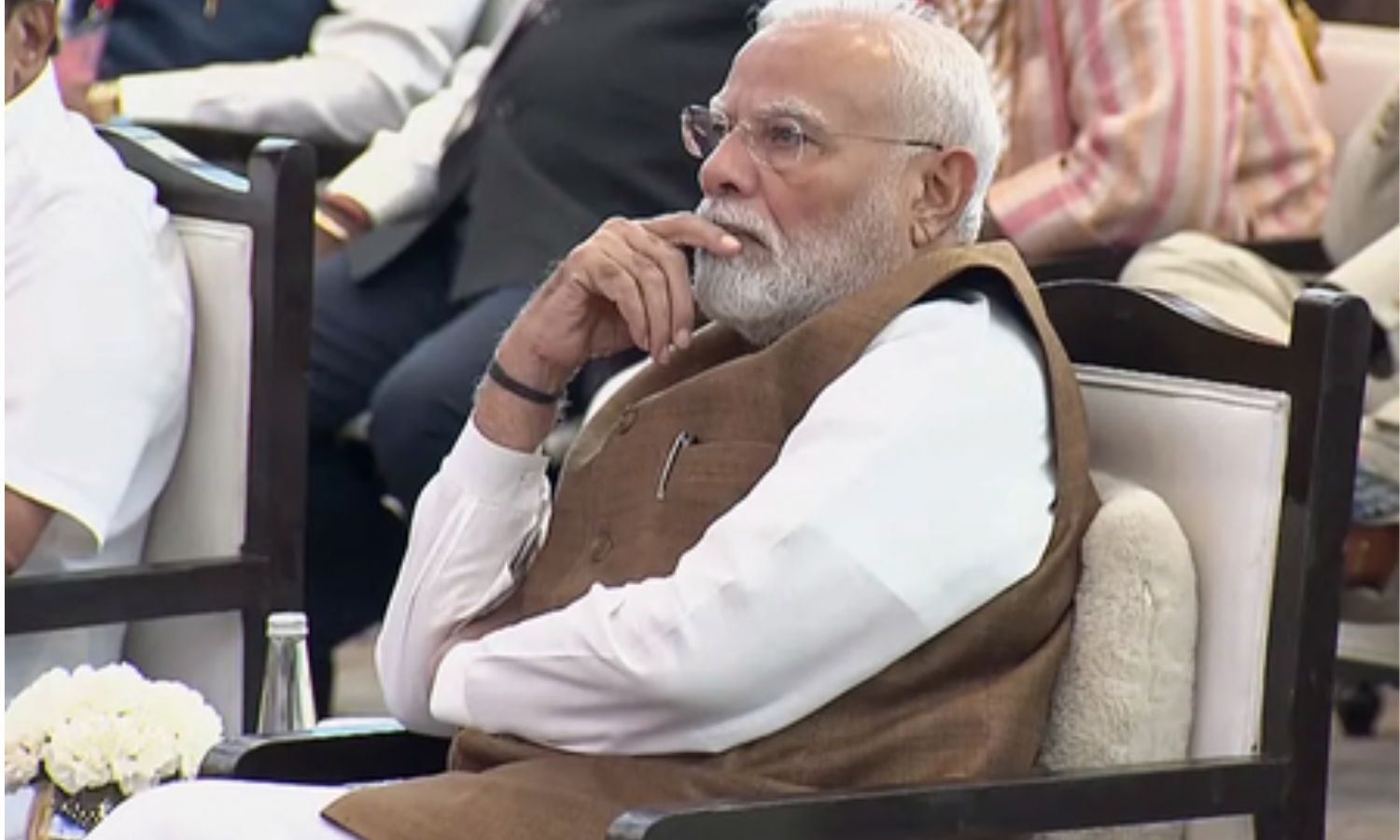
Narendra Modi shared an article about how India manages water.
It says Gujarat tried water reforms between 2001 and 2014.
Some approaches were later used in national programmes.
The authors say building pipes and other structures is not enough.
Good planning, strong institutions and local participation also matter.
They say communities can help make decisions about water.
The article also says treated wastewater could be reused, especially where drinking-quality water is not needed.
It estimates that selling treated water could bring in about Rs 73,000 crore each year by 2047, at today’s prices.
The authors say countries need more investment to meet global water and sanitation goals.

Prime Minister Narendra Modi shared an article presenting Gujarat’s water reforms as a potential lesson for the Global South.
The article traces reforms in Gujarat from 2001 to 2014 and their expansion into national programmes after 2014.
Its authors say effective water security requires governance and institutions alongside infrastructure.
They identify four lessons: integrate governance with infrastructure, manage resources and services together, involve communities, and design programmes for scale.
The article estimates India’s treated-water sales market could reach around Rs 73,000 crore annually by 2047 at current prices.
- Who
- Prime Minister Narendra Modi shared an article by Parameswaran Iyer, Nitin Bassi and Daniel W. Smith.
- What
- The article presents Gujarat’s water-governance reforms and later national programmes as possible lessons for the Global South.
- Where
- The reforms discussed began in Gujarat and were expanded through programmes across India.
- When
- Modi shared it on Tuesday; the article examines reforms from 2001 to 2026.
- Why
- The article argues that governance, planning, institutions and community participation are important to water security alongside infrastructure.
Key facts
- Gujarat chief minister period discussed
- 2001–2014
- National programme expansion
- The authors say reforms were expanded through national programmes after 2014.
- Programmes cited
- Jal Jeevan Mission, Swachh Bharat Mission, Jal Shakti Abhiyan, Namami Gange, Atal Bhujal Yojana and Per Drop More Crop
- Four lessons
- Prioritise governance alongside infrastructure; manage water resources and services together; centre communities; design programmes for scale.
- 4 Ps framework
- Political leadership, public and private financing, partnerships, and people’s participation.
- Projected treated-water market
- Around Rs 73,000 crore in annual revenue by 2047 at current prices.
- Global investment estimate
- The authors estimate an additional USD 500 billion in annual investment is required globally.
Quotes

Narendra Modi
Prime Minister of India
“From India, a water-governance model is offering useful lessons for the wider Global South. Water security is not only about building infrastructure but also about good planning, strong local systems and involving communities in managing water.”
 thehansindia.com
“India's journey from water reforms in Gujarat to large-scale national programmes offers a practical example for countries looking to improve water management and meet growing water needs.”
thehansindia.com
Sources
Related news
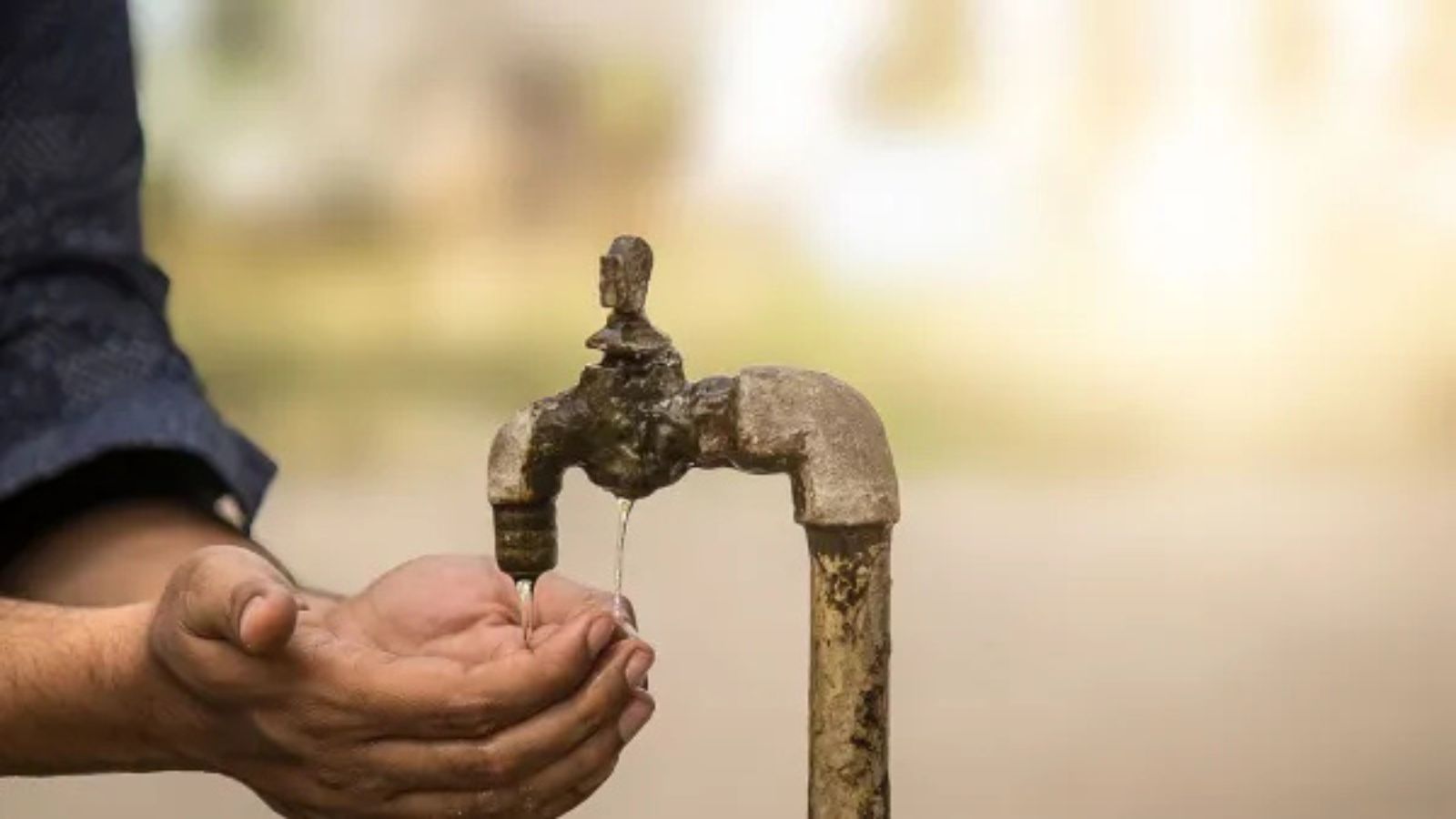
India’s Water Governance Model Offers Lessons for Global South

Modi’s 25-Year Governance Record Framed as Reform Legacy

Minister Calls for Cooperation to Secure India’s Water Future
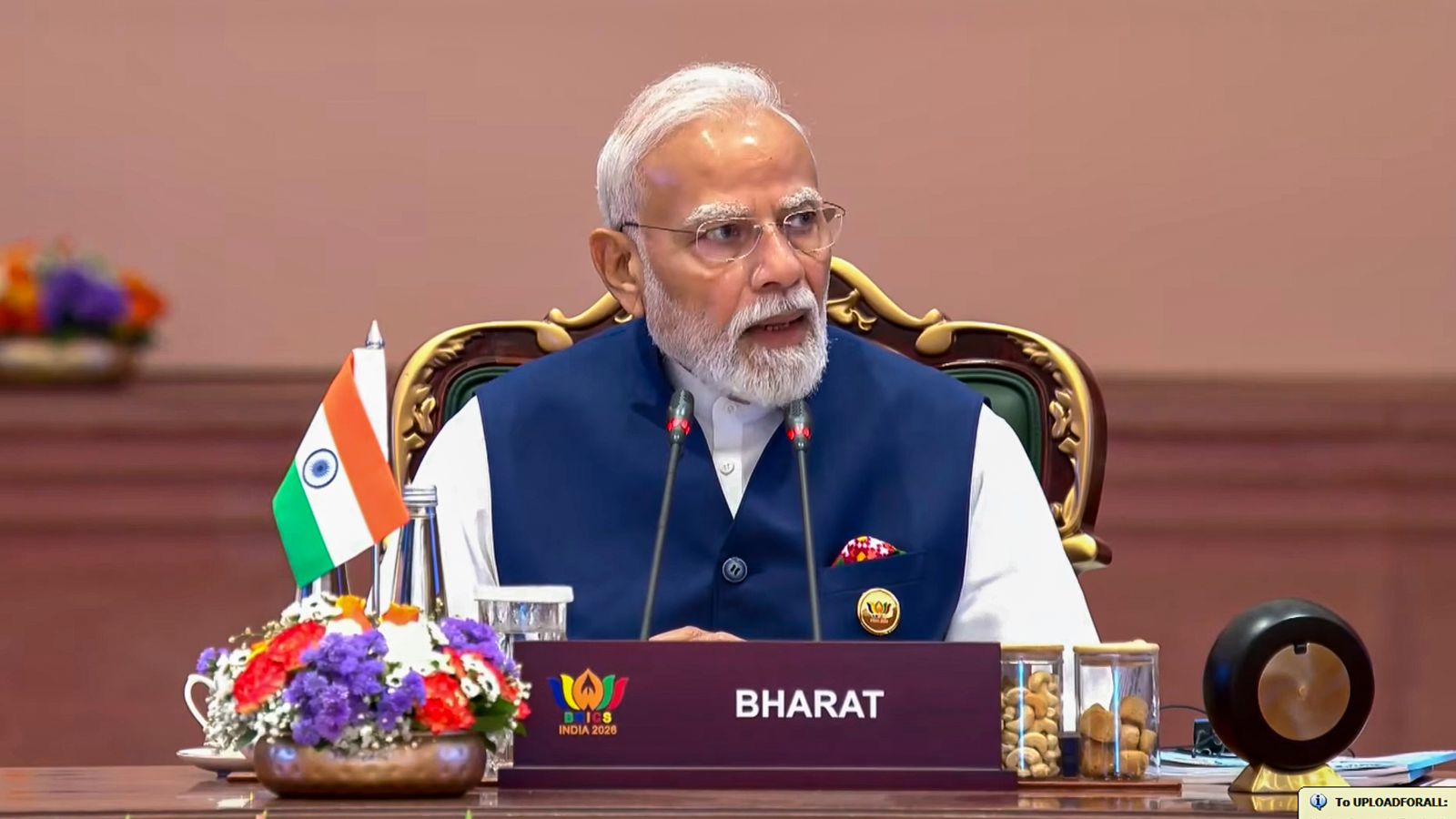
Modi’s 25-Year Leadership Record Highlights India’s Broad Transformation
Coca-Cola Foundation Backs Godavari Initiative’s Next Water Stewardship Chapter
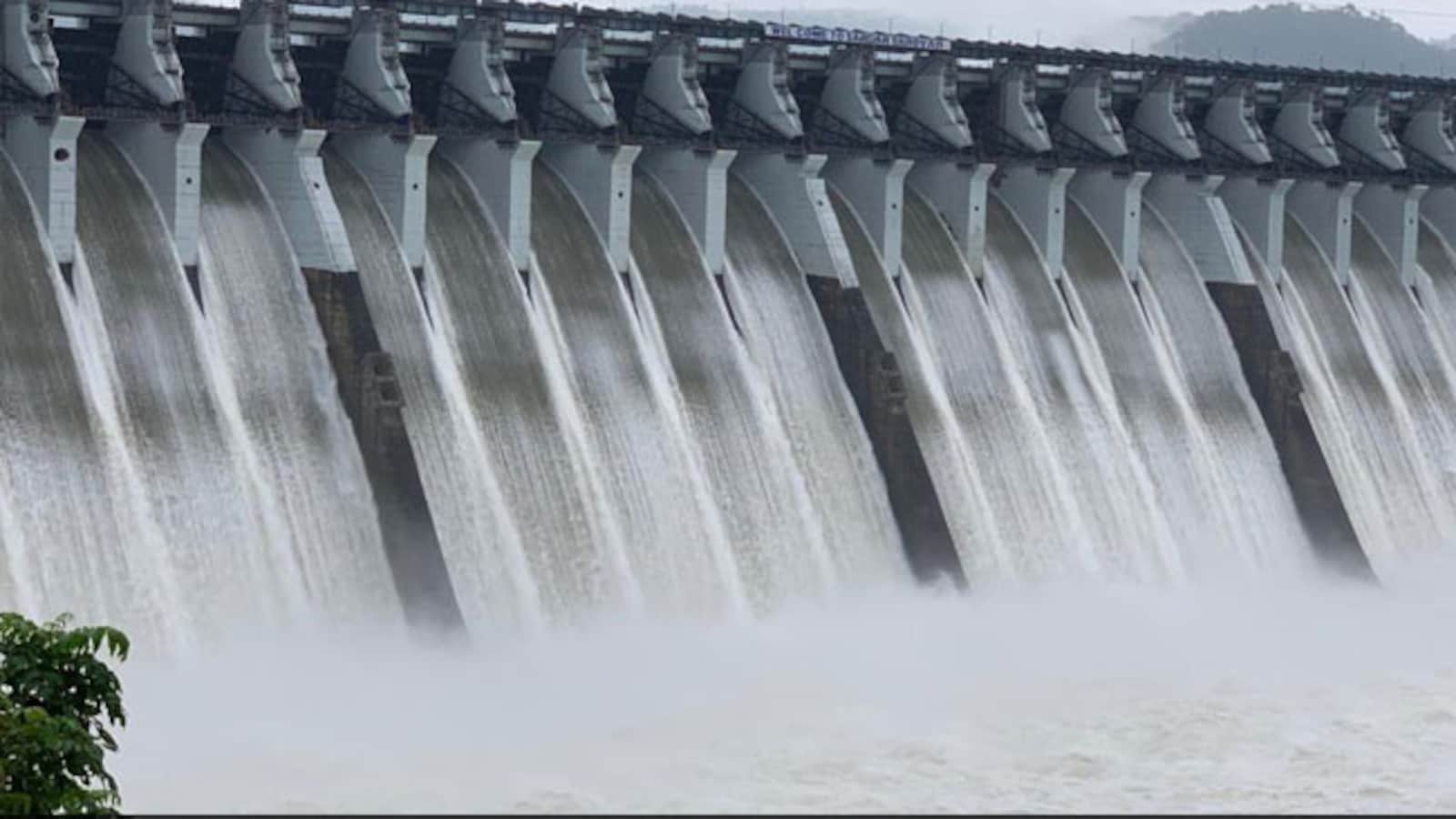
Sardar Sarovar Dam Reaches Maximum Level of 138.68 Metres
Modi’s 25-Year Public Journey Showcases Five Global-Scale Initiatives
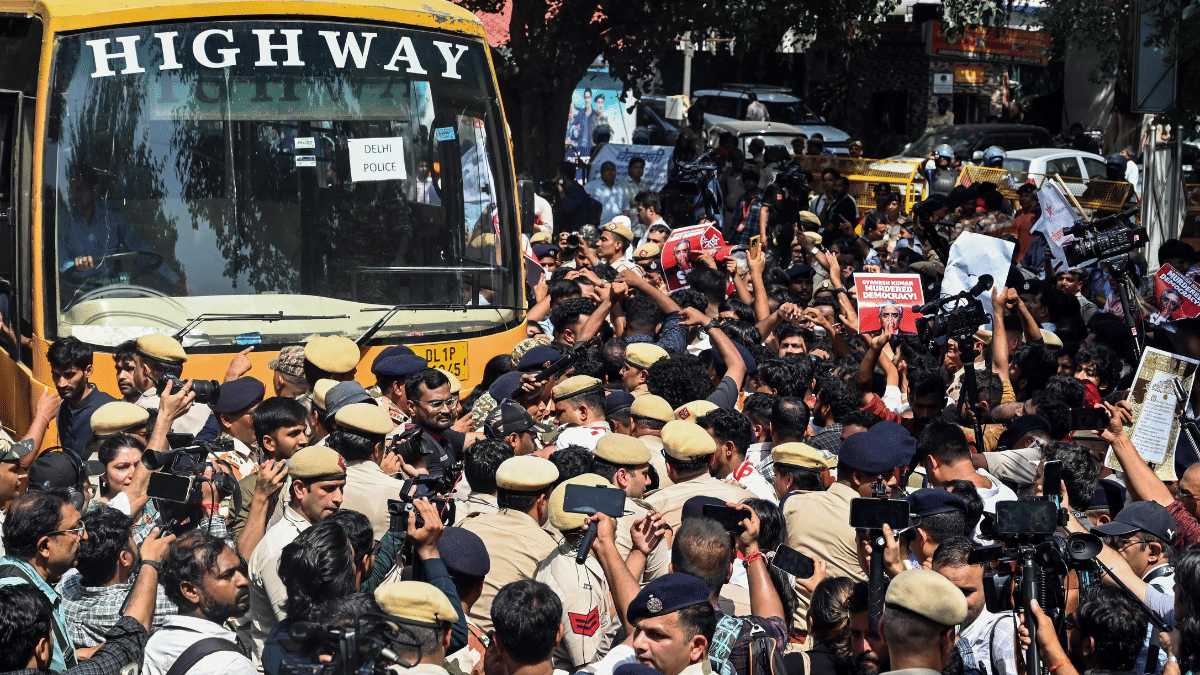
India’s Gen Z Protests Challenge Democratic Erosion Beyond Politics
Manipur Chief Minister Says Amit Shah May Visit in October
Seva Sankalp Yatra to End With Events in Vadnagar, Varanasi