

1 week ago
New Maharashtra Anti-Conversion Law Sparks Religious Freedom Debate
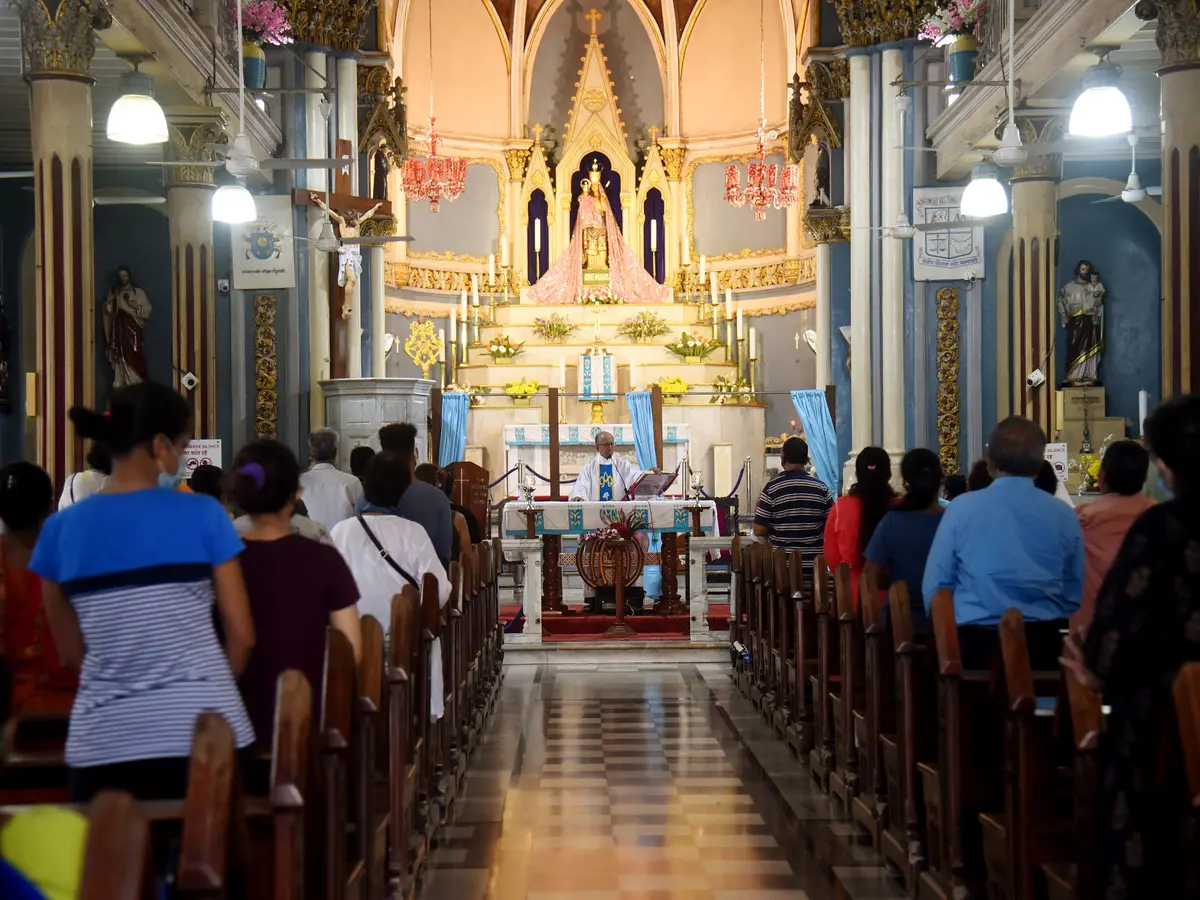
Maharashtra has started using a new law about religious conversion.
The law is meant to stop people from being forced or tricked into changing their religion.
It also requires someone who wants to convert voluntarily to give the district magistrate 60 days’ notice.
Churches in the Mumbai region are asking people to sign forms saying they attend prayer meetings freely.
Church leaders say they oppose forced conversion but worry that normal religious activities could be investigated.
Police in Pune have already opened cases involving alleged attempts to encourage conversion.
In some cases, police reportedly used the law before it officially started.
Senior officials later acknowledged that this happened too early.
The debate is about protecting people from forced conversion while also protecting voluntary religious practice.

Maharashtra’s Freedom of Religion Act, 2026, has come into force after receiving presidential assent and official notification.
People planning to convert must give the district magistrate 60 days’ prior notice under the law.
The law criminalizes conversions allegedly involving coercion, fraud, inducement or marriage, with penalties of up to 10 years for repeat offences.
Churches in the Mumbai Metropolitan Region are asking worshippers to sign voluntary-attendance declarations as a precaution against allegations of forced conversion.
Pune police acknowledged that the law was invoked prematurely in some cases before its official enforcement date, raising questions about implementation safeguards.
- Who
- The Maharashtra government, churches and the Archdiocese of Bombay, religious communities, and Pune police are central to the issue.
- What
- Maharashtra’s Freedom of Religion Act, 2026, has come into force and is prompting debate over conversion procedures, religious gatherings and enforcement.
- Where
- Maharashtra, particularly the Mumbai Metropolitan Region and Pune.
- When
- The law came into force after receiving presidential assent earlier in the month and being officially notified; Pune police were reported to have used it before the enforcement date in some cases.
- Why
- The government says the law is intended to prevent conversions through coercion, fraud, inducement or marriage, while critics fear it could restrict voluntary religious expression and gatherings.
Government and law supporters
Critics and religious representatives
Preventing forced conversion
Government and law supporters
The Maharashtra government says the law is needed to curb conversions allegedly caused by coercion, fraud, inducement or marriage.
Critics and religious representatives
Critics do not oppose preventing forced conversion but fear broad provisions could be used against voluntary religious activity.
Prayer meetings and religious gatherings
Government and law supporters
Authorities may investigate allegations of inducement or prohibited conversion methods under the new procedures.
Critics and religious representatives
Church leaders say ordinary prayer meetings and church-related work could face greater scrutiny or be wrongly treated as criminal conduct.
Enforcement safeguards
Government and law supporters
The law establishes prior-notice and post-conversion procedures intended to formalize voluntary conversions and support enforcement.
Critics and religious representatives
The reported premature use of the law by Pune police has raised concerns about procedural safeguards and how the legislation will be applied.
Key facts
- Law
- Maharashtra Freedom of Religion Act, 2026
- Notice requirement
- A person intending to convert must provide the district magistrate with 60 days’ prior notice.
- Prohibited conduct
- The law targets conversions allegedly carried out through coercion, fraud, inducement or marriage.
- Maximum repeat-offence penalty
- Up to 10 years’ imprisonment.
- Church response
- Several churches in the Mumbai Metropolitan Region are collecting self-declarations that worshippers attend prayer meetings voluntarily.
- Pune implementation issue
- Senior police officials acknowledged that the law had been applied prematurely in some cases before its official enforcement date.
- Core dispute
- Supporters emphasize preventing forced conversion, while critics raise concerns about religious freedom and scrutiny of lawful religious activity.
Sources
Related news
Maharashtra Churches Seek Prayer Forms Before Anti-Conversion Law

Maharashtra Freedom of Religion Act Takes Effect Amid Criticism

Mumbai Churches Deny Requiring Worshippers To Sign Anti-Conversion Declarations

Civil Society Groups Challenge Maharashtra Religion Law
Maharashtra Freedom of Religion Act Takes Effect August 28
British Indian Church Leader Faces India Anti-Conversion Law Dispute

Mumbai Schools Replace Junk Food With Healthier Menus
Bombay Archdiocese Calls for Prayer After Jantar Mantar Violence
Monsignor Stephen Fernandes Becomes Auxiliary Bishop
Mumbai Archdiocese to Host Interfaith Peace Gathering in 2025
