1 week ago
Civil Society Groups Challenge Maharashtra Religion Law

Twenty groups in Maharashtra are unhappy about a new law concerning religious conversion.
They say the law makes people give notices and reports when they change their religion.
Three organisations are preparing to ask the Supreme Court to examine whether the law follows the Constitution.
The groups want the law paused before it starts on August 28.
They worry that people could be punished based on unclear ideas such as offering an “allurement.”
They also fear relatives or vigilante groups could use complaints to trouble interfaith couples.
The organisations say women and minority communities may be especially affected.
They believe people should be free to choose their religion and partners without unfair state interference.

A coalition of 20 civil society, women’s rights and religious organisations opposes the Maharashtra Freedom of Religion Act, 2026.
People’s Union for Civil Liberties, Association for Protection of Civil Rights and Forum Against Oppression of Women are preparing a Supreme Court challenge.
The groups want Maharashtra to withdraw or suspend the law before it takes effect on August 28.
Critics object to advance notices, mandatory declarations, post-conversion reporting and criminal penalties for alleged violations.
The organisations warn the law could affect religious minorities, women, interfaith couples, Dalits, Adivasis and young adults.
- Who
- A coalition of 20 civil society, women’s rights and religious organisations, including People’s Union for Civil Liberties, Association for Protection of Civil Rights and Forum Against Oppression of Women.
- What
- The organisations oppose the Maharashtra Freedom of Religion Act, 2026 and are preparing a constitutional challenge in the Supreme Court of India.
- Where
- Mumbai, Maharashtra, at the Mumbai Marathi Patrakar Sangh; the planned legal challenge will be before the Supreme Court of India.
- When
- The law is scheduled to come into force on August 28; the groups announced their position at a Monday press conference.
- Why
- The groups say the law threatens personal autonomy and religious freedom and could enable surveillance, harassment and disproportionate targeting of vulnerable communities.
Key facts
- Organisations involved
- 20 civil society, women’s rights and religious organisations
- Planned petitioners
- People’s Union for Civil Liberties, Association for Protection of Civil Rights and Forum Against Oppression of Women
- Scheduled start date
- August 28
- Main requirements criticised
- Advance notices, mandatory declarations and post-conversion reporting
- Criminal concerns
- The groups say alleged violations will be cognisable and non-bailable, with the accused bearing the burden of proving innocence.
- Communities identified as vulnerable
- Religious minorities, women, Dalits, Adivasis and young adults
- Reported harassment
- Christian institutions in Greater Mumbai reportedly recorded about 30 minor and major incidents involving vigilante groups over the previous eight months.
Quotes
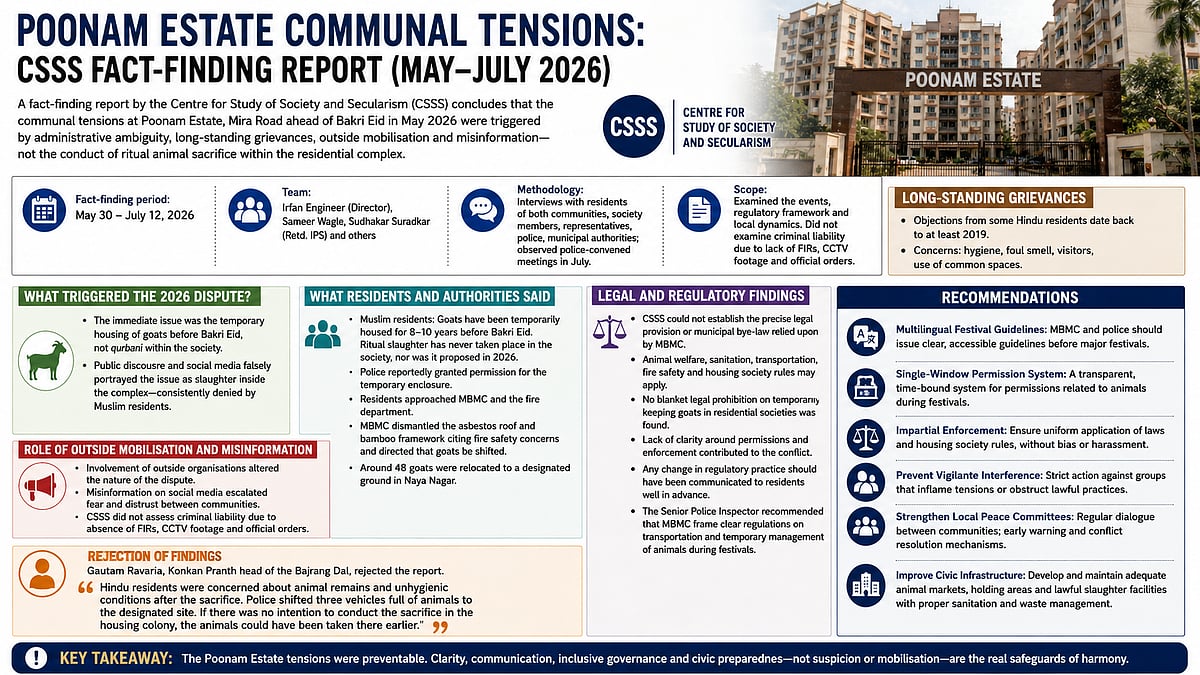
Adv. Irfan Engineer
Director at the Centre for Study of Society and Secularism
“The Chief Minister said they will bring in the strictest law but the current law is already enough to stop forceful conversion. It will be used to harass Christians and Muslims, as now the state will decide who will follow which religion, violating the Indian Constitution's Right to Life and Religion. It is not based on the constitution but on the ideology of making the country a Hindu Rashtra.”
 freepressjournal.in
Adv. Lara Jesani
Human rights advocate
“The rules have not been notified yet, but we are afraid that they will be misused against interfaith couples. The rules disclosing the names of interfaith couples in mandatory notices outside the registrar's office are already being used to harass couples. I have handled a lot of such cases where the families of the couple are fine with the marriage, but they have to seek police protection due to backlash from Hindu vigilante groups.”
freepressjournal.in
Sandhya Gokhale
Member of the People's Union for Civil Liberties
“The law is most discriminatory towards women, as it restricts women's right to choose their partner and their religion. They do not want a woman from the majority community to convert to a minority religion, but they are fine with it the other way around.”
freepressjournal.in
Sources
Related news
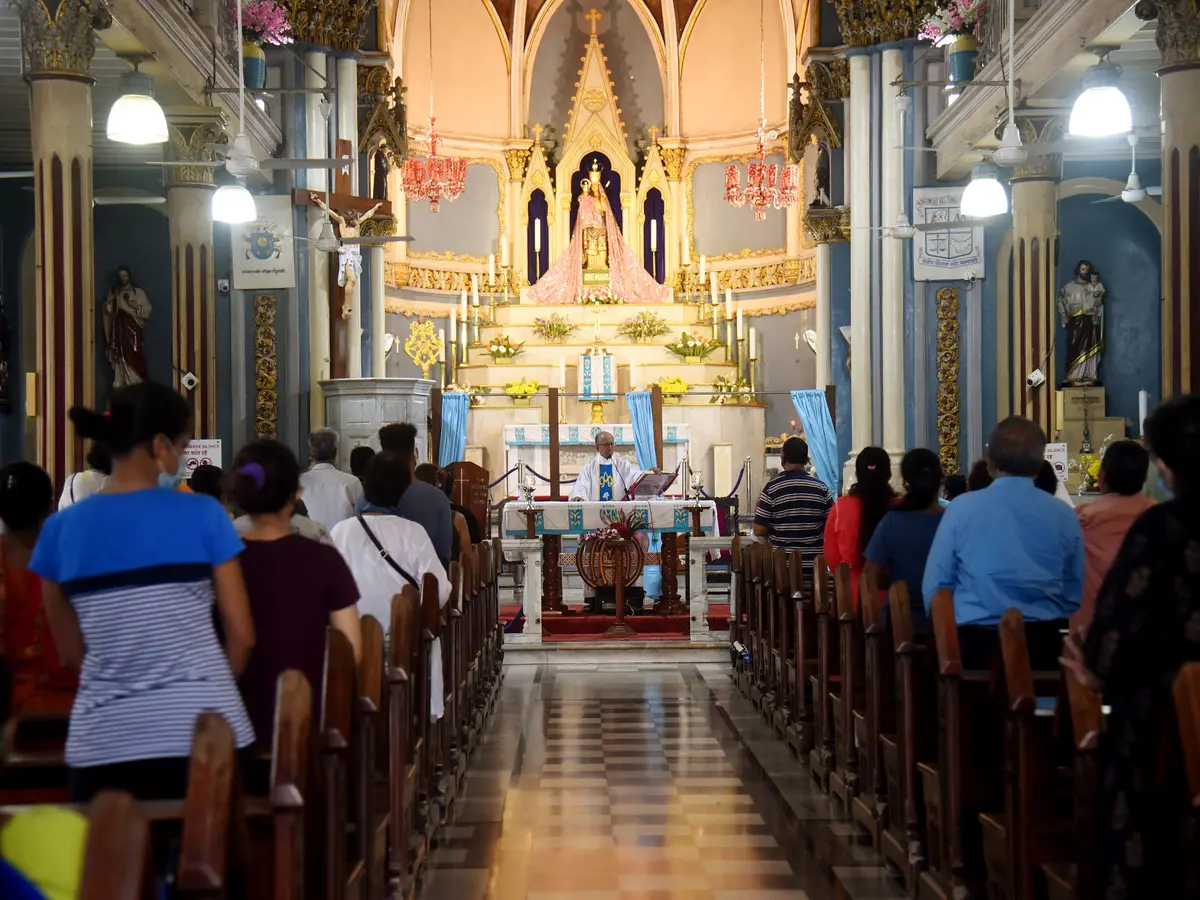
New Maharashtra Anti-Conversion Law Sparks Religious Freedom Debate

Maharashtra Freedom of Religion Act Takes Effect Amid Criticism
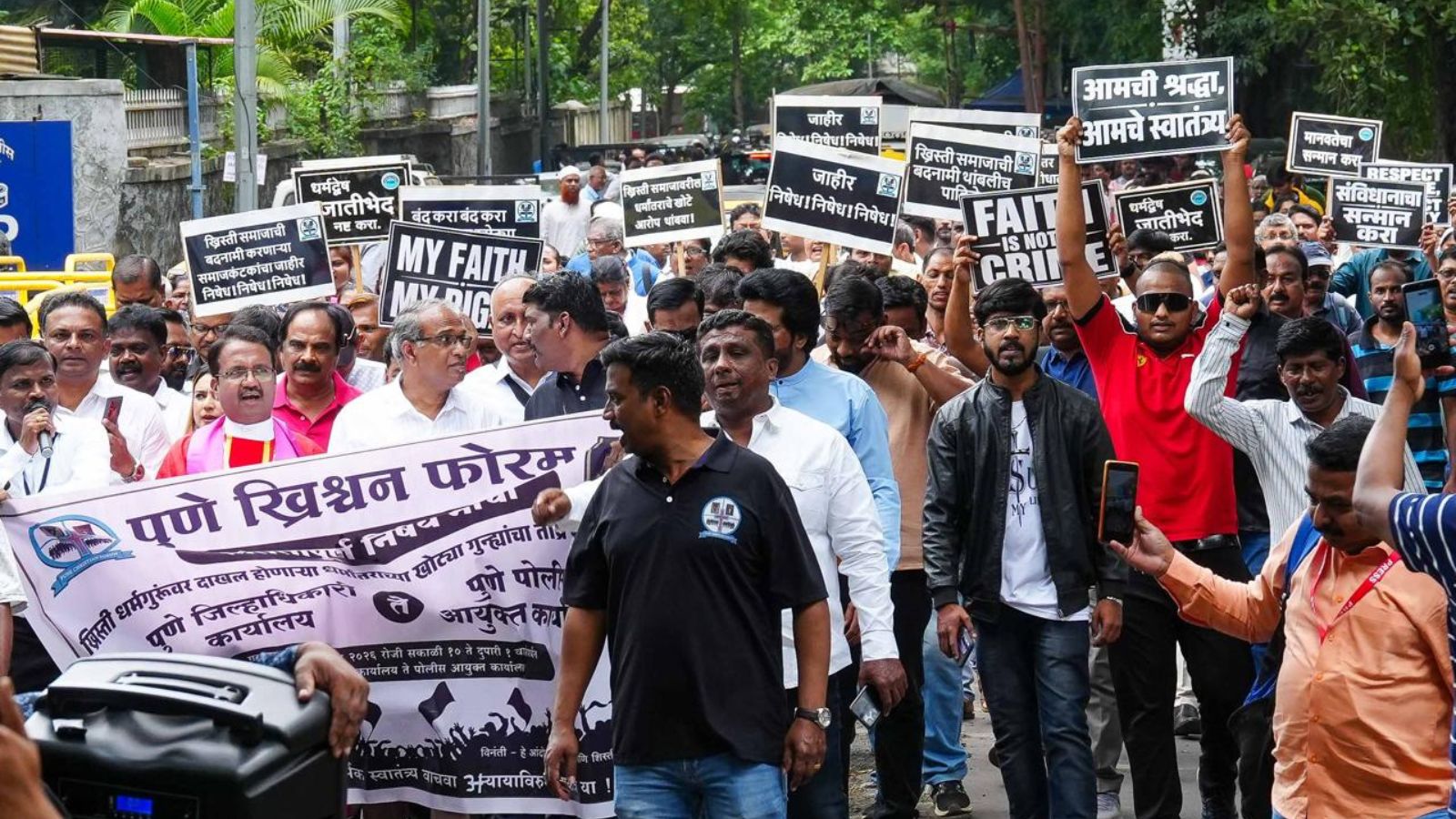
Pune Christians Protest Alleged Misuse of Maharashtra Anti-Conversion Law
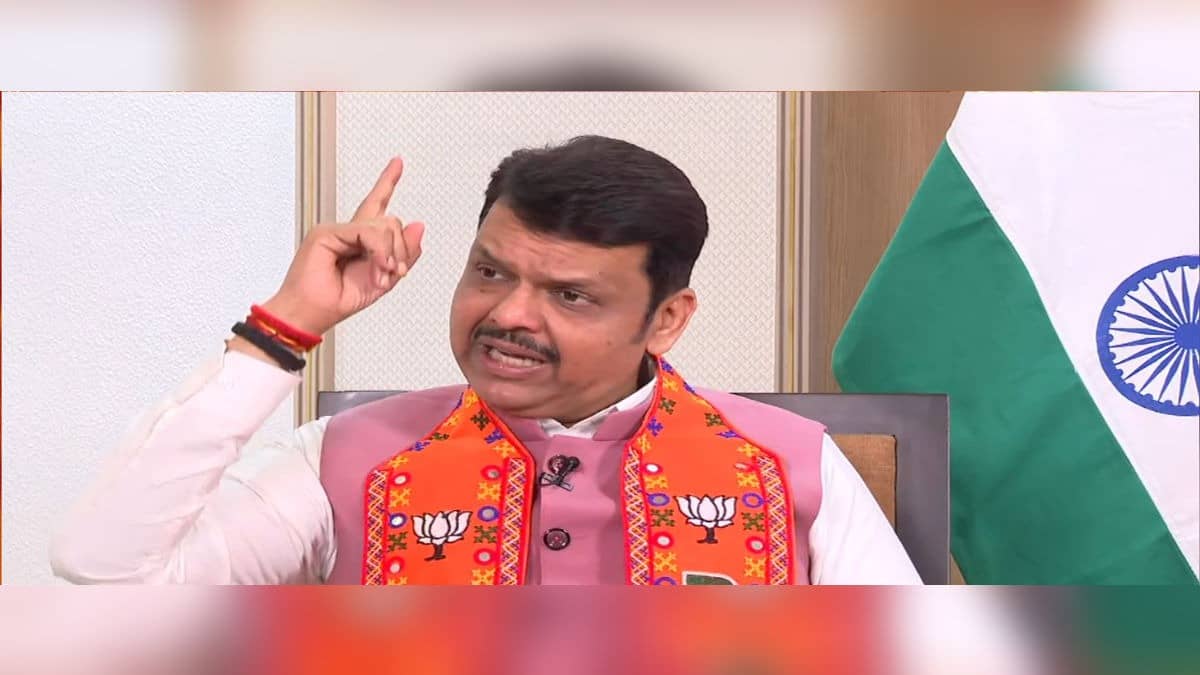
Maharashtra Freedom of Religion Act Takes Effect August 28
British Indian Church Leader Faces India Anti-Conversion Law Dispute