1 week ago
Maharashtra Churches Seek Prayer Forms Before Anti-Conversion Law
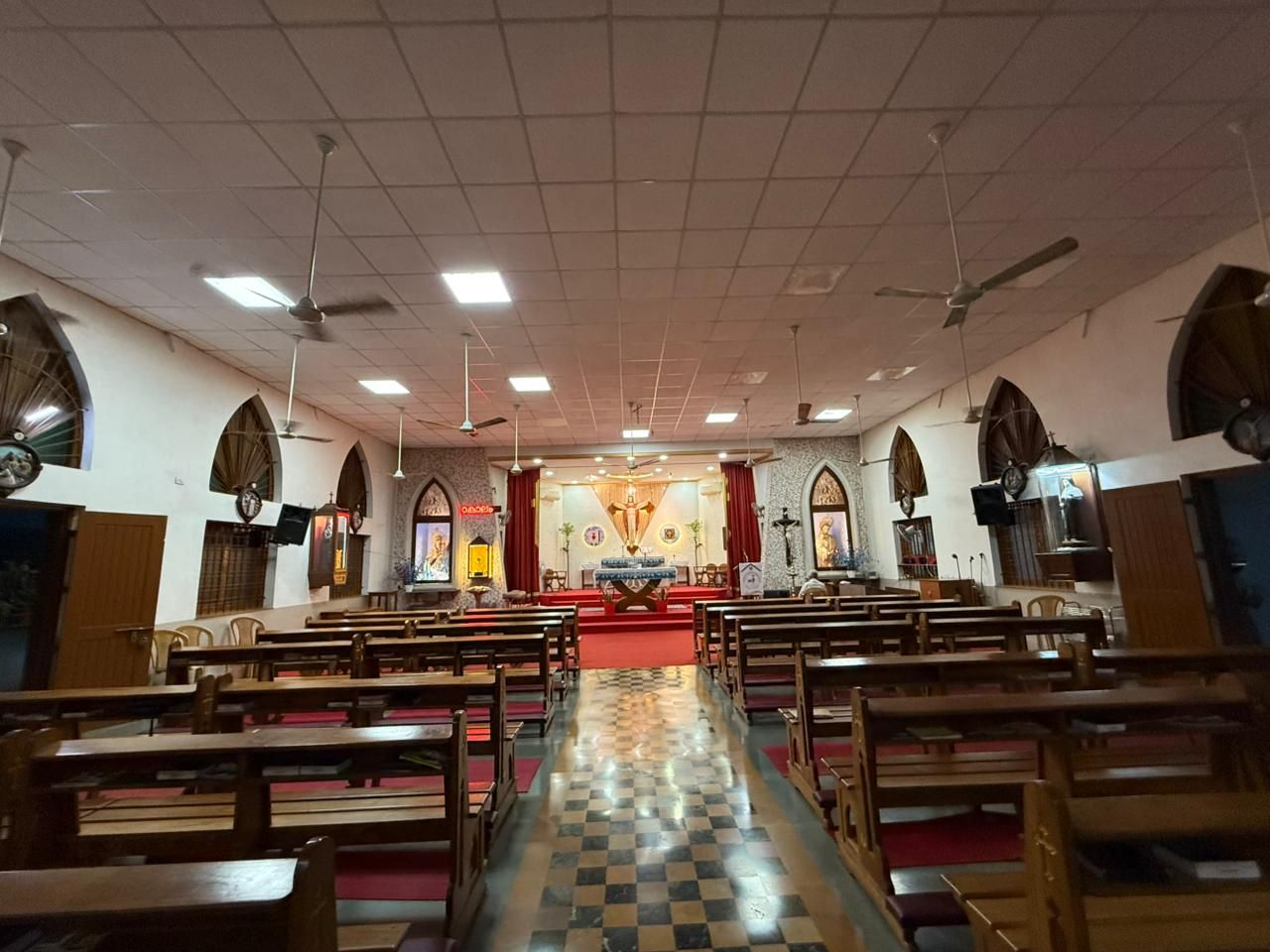
Maharashtra is bringing in a new law about religious conversion on August 28.
The law says people cannot be converted through force, cheating, threats, pressure or rewards.
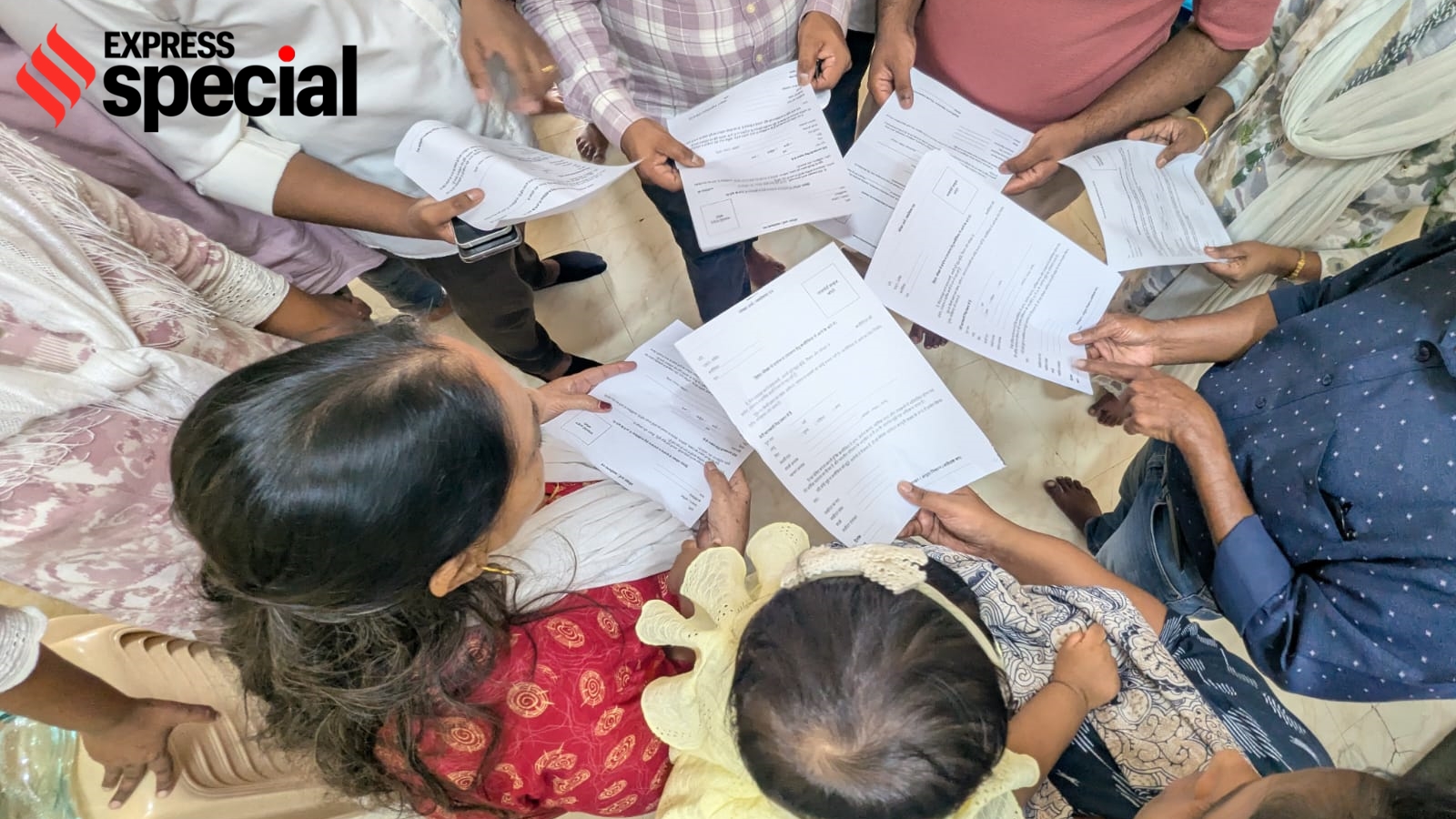
Churches near Mumbai are asking people to sign papers saying they came to pray by choice.
Some papers ask for a photograph and an identification number.
Pastors say they will keep the forms to answer accusations that people were forced to attend.
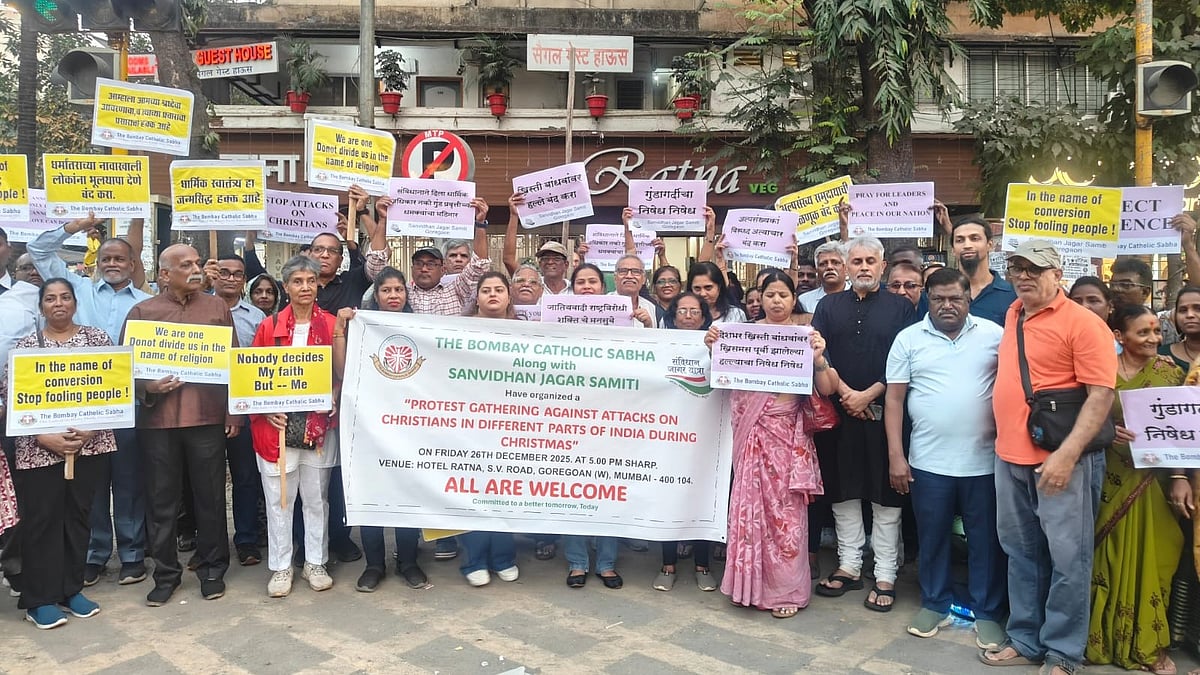
Church leaders also say prayer meetings have been interrupted and worshippers have been questioned or threatened.
Bajrang Dal says it reports prayer meetings when it suspects conversion activity.
Police officials say some complaints have been received, but one commissioner said his area had not seen a recurring pattern.
The forms are made by churches and are not government documents.

Churches across the Mumbai Metropolitan Region are asking worshippers to sign forms affirming that they attend prayers voluntarily and without pressure, inducement or threats.
The forms, collected for roughly two to three months, may require a photograph and Aadhaar or PAN details and are kept by pastors as precautionary records.
Maharashtra’s Freedom of Religion Act takes effect August 28 and covers conversions involving coercion, fraud, inducement, threats, undue influence or marriage-related claims.
The Indian Express reported nine FIRs linked to five prayer-meeting disruptions between April and July, while a pastor separately alleged 11 church attacks in six months.
Church leaders cite repeated disruptions and safety concerns, while Bajrang Dal alleges some prayer groups encourage conversion and police describe limited or isolated incidents in some jurisdictions.
- Who
- Christian churches, pastors, worshippers, Bajrang Dal and Vishwa Hindu Parishad-linked activists, civil-society groups, and police are involved.
- What
- Churches are collecting voluntary-attendance declarations amid reported prayer-meeting disruptions and the introduction of Maharashtra’s anti-conversion law.
- Where
- The reported activity involves the Mumbai Metropolitan Region, including Mumbai, Vasai, Virar, Mira-Bhayandar, Palghar, Nalasopara and Thane.
- When
- The law is reported to take effect August 28; forms have been collected for about two to three months, and nine FIRs were linked to disruptions between April and July.
- Why
- Church leaders say the declarations are a precaution against allegations of forced conversion and evidence that worshippers attend voluntarily.
Churches and civil-society groups
Bajrang Dal
Purpose of prayer forms
Churches and civil-society groups
Church leaders describe the forms as a security precaution showing that people attend voluntarily and helping protect churches from allegations of coercion.
Bajrang Dal
Bajrang Dal does not accept the churches’ explanation as sufficient and alleges that some prayer groups assist vulnerable families before encouraging conversion.
Prayer-meeting disruptions
Churches and civil-society groups
Pastors and civil-society representatives say services have been repeatedly disrupted, with worshippers questioned or threatened, and say forms, CCTV and photographs are protective measures.
Bajrang Dal
Bajrang Dal says it monitors prayer meetings on social media and informs police rather than acting alone; its representative said members would defend themselves if attacked.
Extent of the problem
Churches and civil-society groups
Church leaders and Mumbai for Peace say disruptions have occurred repeatedly over several months and fear they could increase after the law takes effect.
Bajrang Dal
Mira-Bhayandar Vasai-Virar Police Commissioner Niket Kaushik said there had been one local incident in recent months and no recurring trend in his jurisdiction; Mumbai Police said Mumbai had otherwise been peaceful while complaints were investigated.
Key facts
- Law
- The Maharashtra Freedom of Religion Act, 2026, is reported to take effect August 28.
- Notification date
- The reports differ slightly, citing official gazette notification on July 30 or July 31.
- Declaration
- The form says attendance is personal, voluntary and free from pressure, inducement, temptation, lure, threat or compulsion.
- Requested details
- Some forms ask for a passport-size photograph and an Aadhaar or PAN number.
- Record status
- Pastors keep the declarations in church offices; the forms are not government documents.
- Reported disruptions
- The Indian Express reported nine FIRs connected to five prayer-meeting disruptions between April and July; seven named organisers or worshippers and two named Bajrang Dal members.
- Legal requirements
- A person intending to adopt another faith must inform the district magistrate at least 60 days beforehand; violations can carry up to seven years in prison.
Quotes
Fr. Nigel Barrett
Spokesperson for the Archdiocese of Bombay
“This is a self-declaration form. I want all of you to fill it out, attach a passport-size photograph, and bring it with you next Sunday when we meet for prayer. Considering the continuous disruptions and attacks during prayer meetings, we are keeping these forms with us so that if someone questions us in the future and claims that we forced or compelled you to attend the prayer meeting, we can show this as proof.”
 indianexpress.com
“Taking a consent form is a wise precaution…It establishes that people are attending voluntarily and that no one is forcing them to come. Given the current law and the manner in which certain groups, such as the Bajrang Dal, enter these spaces, people are taking precautions to safeguard themselves.”
indianexpress.com
Sources

Related news
New Maharashtra Anti-Conversion Law Sparks Religious Freedom Debate

Mumbai Churches Deny Requiring Worshippers To Sign Anti-Conversion Declarations

Maharashtra Freedom of Religion Act Takes Effect Amid Criticism
British Indian Church Leader Faces India Anti-Conversion Law Dispute

Maharashtra books British OCI cardholder under new anti-conversion law
Pune Christians Protest Alleged Misuse of Maharashtra Anti-Conversion Law
Mumbai Christian Bodies Organize Marriage Registration Camps
Activists Demand Inquiry into NEET Paper Leak

BMC Halts Pathway Work Near Mount Mary Steps