9 months ago
Supreme Court Debates Revisiting Judgments
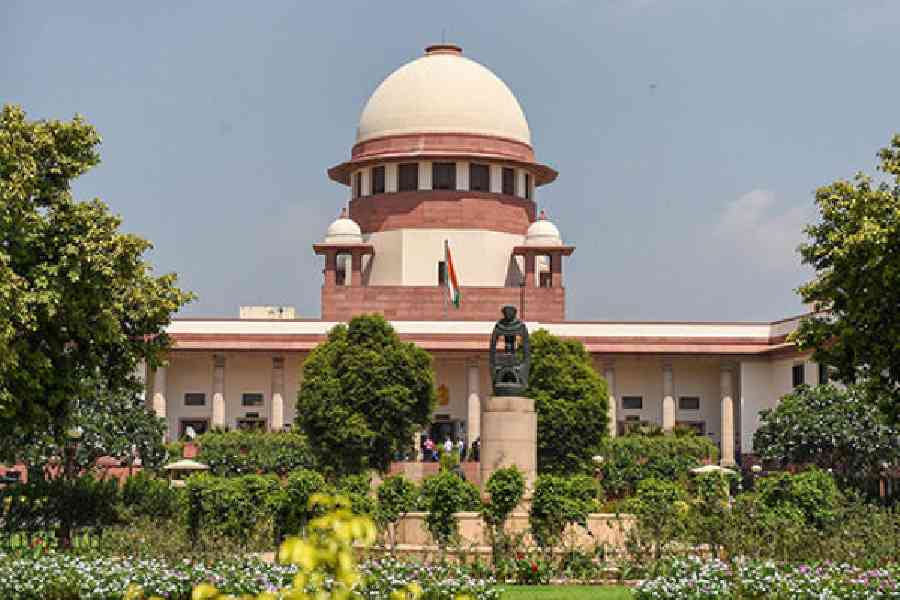
The Supreme Court of India is discussing whether it's a good idea to change its past decisions.
Some judges think that if the court changes its mind too often, it might not seem final.
But others say it's important to update old decisions to fit with today's society.
For example, the court once said privacy is a fundamental right, which changed an older decision that didn't protect personal freedoms as much.
The court has rules to make sure it doesn't change decisions too easily.
This way, the court can stay fair and up-to-date.

A two-judge bench criticized the growing trend of Supreme Court judgments being overturned by subsequent benches.
Article 141 makes Supreme Court judgments binding on all courts, while Article 137 permits judicial review.
The court's willingness to reconsider past directives acknowledges the need for the law to keep pace with societal transformation.
Examples of revised judgments include Puttaswamy (2017) on privacy rights and Navtej Singh Johar (2018) on Section 377.
The court has strict procedural rules and criteria for granting a review of a judgment to ensure it is not a disguised appeal.
- Who
- Supreme Court of India
- What
- Debate on the trend of revisiting and overturning past judgments
- Where
- India
- When
- Recent criticism by a two-judge bench
- Why
- To ensure judgments keep pace with societal transformation and uphold justice and flexibility
Key facts
- Article 141
- Makes Supreme Court judgments binding on all courts
- Article 137
- Permits judicial review of Supreme Court judgments
- Puttaswamy (2017)
- Judgment affirming the fundamental right to privacy
- Navtej Singh Johar (2018)
- Judgment striking down Section 377
- Suresh Koushal (2013)
- Earlier judgment with a narrower view of personal liberties
- Article 145 and Supreme Court Rules
- Set procedural discipline for review petitions