1 hr ago
America’s Office Bust Creates A Chance To Reinvent Downtowns
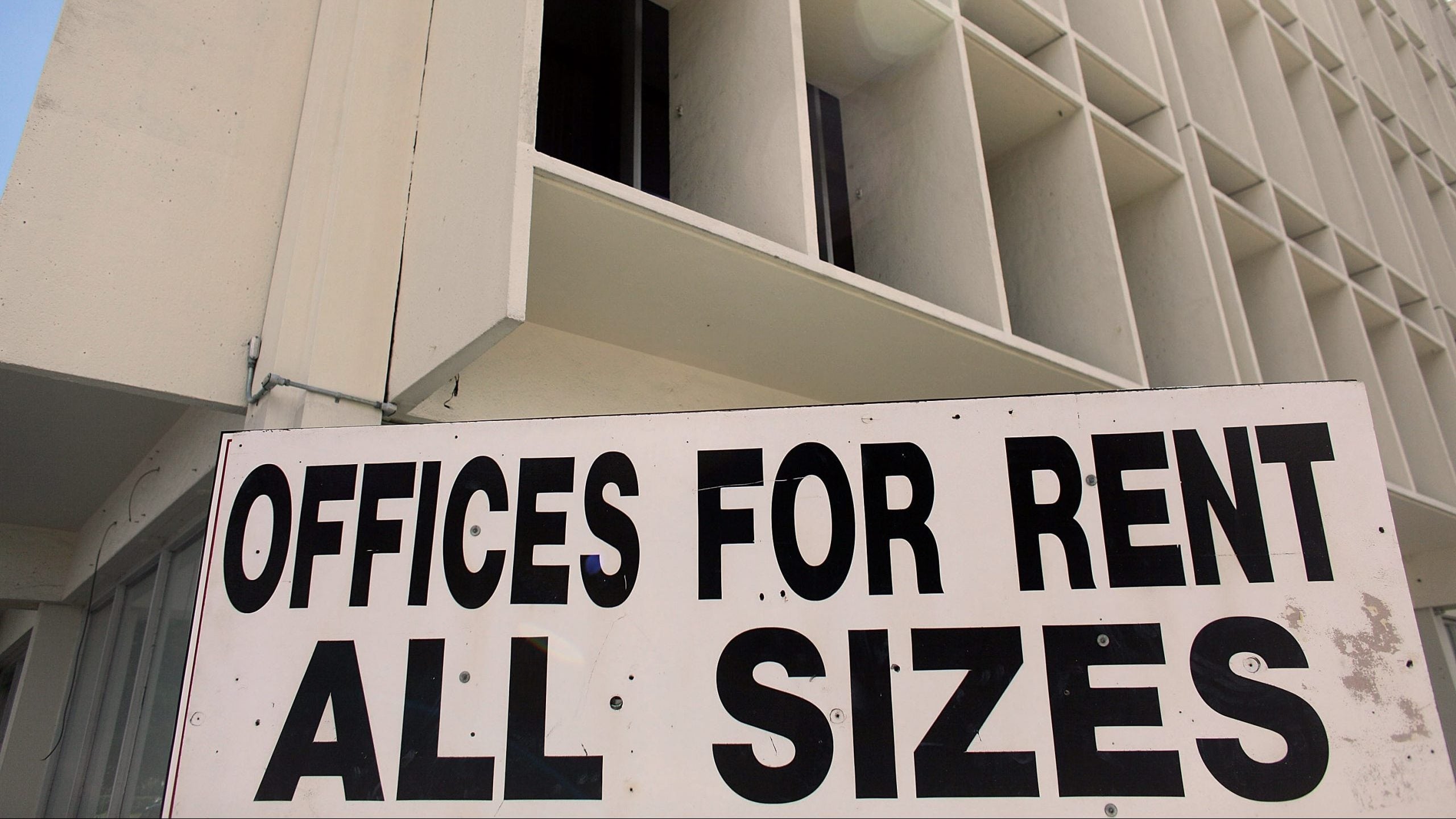
Many American downtowns were built around large office buildings.
During the Covid-19 pandemic, more people began working from home.
This made companies need less office space and caused many office buildings to lose value.
Cities could lose tax money and transit riders if downtowns become quieter.
But this problem may also create an opportunity.
Empty offices could be changed into homes, shops, entertainment spaces, or other uses.
Some downtowns have already become places where people live, work, and play.
New homes made from office buildings are often expensive, so they will not solve every housing problem.
The article says downtowns probably need more than office buildings to become lively again.

Remote work has reduced demand for downtown offices and weakened commercial property values.
Falling property values threaten city tax revenue and transit systems through a possible “doom loop.”
Downtowns retain an advantage in high-quality office space, which remains in demand.
Residential and mixed-use conversions are expanding, including projects at Manhattan’s Woolworth and Flatiron buildings.
The article argues that downtown revival depends on uses beyond offices, although housing conversions can be expensive.
- Who
- American downtown property owners, city governments, workers, residents, and commercial real-estate firms are central to the story.
- What
- Downtown office markets are being revalued after remote work reduced demand, creating both financial risks and opportunities for mixed-use redevelopment.
- Where
- Major American city downtowns, especially Manhattan’s Financial District and other large U.S. cities.
- When
- The shift accelerated during the Covid-19 pandemic; the article also traces downtown changes from the 1830s through the present.
- Why
- Remote work has reduced the need for offices, while converting some properties to residential and other uses could help downtowns recover.
Office-Centered Downtowns
Mixed-Use Downtowns
Future of office space
Office-Centered Downtowns
Downtown offices will continue to exist, and high-quality Class A space remains especially competitive and in demand.
Mixed-Use Downtowns
Offices alone are unlikely to produce a full downtown revival because remote work and uncertain white-collar employment growth may limit demand.
Response to vacant buildings
Office-Centered Downtowns
The article notes that some downtown offices can still make their owners substantial profits, suggesting continued investment in office buildings.
Mixed-Use Downtowns
Property owners and cities should continue converting underused offices into residences and other non-office uses.
Urban recovery
Office-Centered Downtowns
Downtowns can retain their central role through premium office space and established commercial activity.
Mixed-Use Downtowns
A stronger recovery requires neighborhoods combining homes, commerce, and entertainment rather than areas dominated by workplaces.
Key facts
- Office-market pressure
- Downtown office buildings in many cities are worth a fraction of their former values after the commercial real-estate slump.
- Potential risk
- Falling property values could reduce tax revenue and weaken public transportation systems dependent on commuters.
- Class A demand
- Of the 100 largest U.S. office leases signed last year, 54 were in downtowns and represented 59% of the square footage, according to CBRE.
- Financial District population
- New York’s Financial District grew from 833 residents in 1970 to more than 60,000 in 2020.
- Woolworth conversion
- The top 30 floors of the Woolworth Building were purchased in 2012 and later converted into condominiums.
- Other conversions
- The Flatiron Building is about to reopen as condominiums, while the Chrysler Building is discussed as a possible future conversion.
- Housing limitation
- Converted downtown residences tend to be expensive and cannot by themselves solve New York City’s housing shortage.
Quotes

Philip Hone
Businessman and former New York City mayor who recorded the 1836 redevelopment of his Broadway property.
“Almost everybody down-town is in the same predicament, for all the dwelling houses are to be converted into stores. We are tempted with prices so exorbitantly high that none can resist.”
 theprint.in
Sources
Related news

Mumbai Redevelopment Boom Expands as Projects Reshape Housing Supply
Century Mill Redevelopment Clears Path for Workers’ Families’ New Homes

Mumbai Real Estate Leaders Set Ambitious 2030 Growth Roadmap

Japan's Showa Retro Revival Draws Locals, Tourists, and Entrepreneurs

Chandni Chowk Town Hall Set to Become Heritage Centre
Delhi Hostel Building Collapse Exposes Unsafe Renovation and Neglect
Jaeger-LeCoultre Reverso Turns Turner’s Venice Paintings Into Private Art
Sabyasachi Returns to New York With Bengal Byzantine Broadway

Rani Mukerji Brings Black Saree Charm To Sabyasachi’s New York Show

Court Orders Idol Smuggler Subash Chandra Kapoor Returned to Germany