23 hrs ago
DHS Secretary’s Jet Loses Engine, Makes Safe Emergency Landing
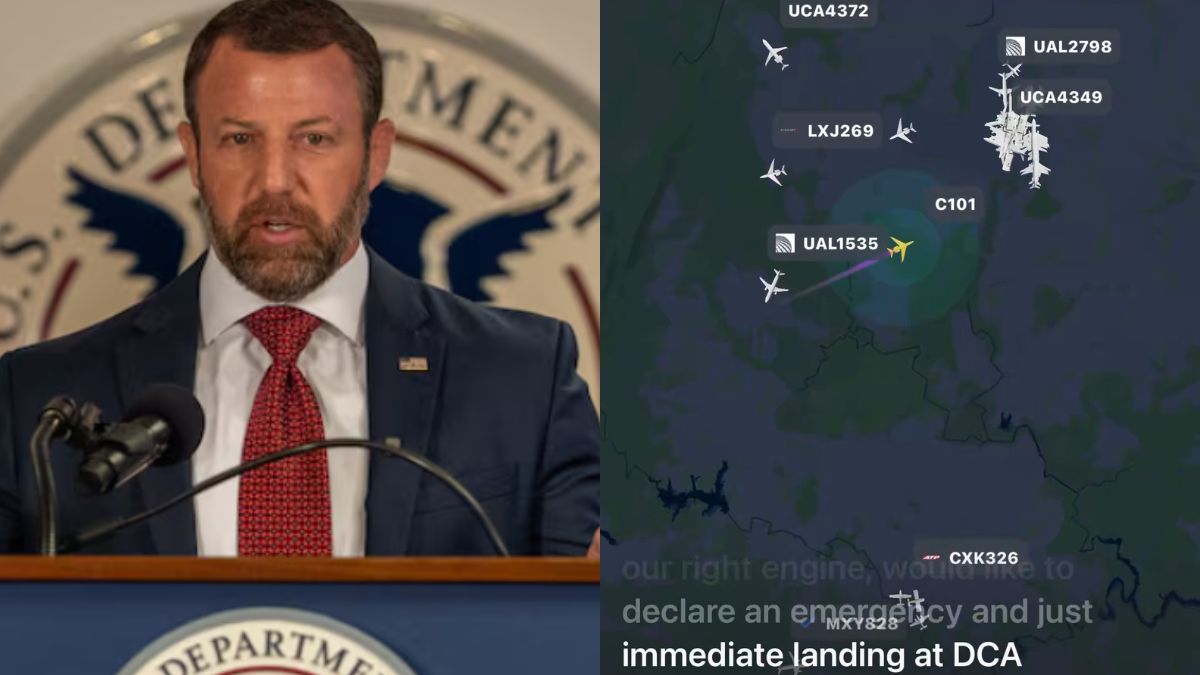
A military plane carrying Homeland Security Secretary Markwayne Mullin had an engine problem while flying.
The pilot told air traffic controllers that the right engine had stopped working.
There were 14 people on the plane.
The pilot asked to land quickly at an airport near Washington, D.C. The plane landed safely using its remaining engine.
Emergency workers checked it after landing.
Mullin praised the Coast Guard pilots for staying calm and professional.
The event also brought attention to concerns about the age of some Coast Guard aircraft.

A Coast Guard C-37A jet carrying DHS Secretary Markwayne Mullin lost its right engine on September 2.
The pilot declared an emergency and requested an immediate landing at Ronald Reagan Washington National Airport.
The aircraft had 14 people aboard and enough fuel for about two and a half hours.
The plane landed safely, was inspected, and caused no disruption to other flights.
The incident renewed debate over funding replacements for aging Coast Guard aircraft.
- Who
- Markwayne Mullin, 14 people aboard, and United States Coast Guard pilots were involved.
- What
- A Coast Guard C-37A jet lost its right engine and made an emergency landing.
- Where
- The aircraft diverted to and landed safely at Ronald Reagan Washington National Airport after departing Lawson Army Airfield near Columbus, Georgia.
- When
- Wednesday, September 2, at about 1:35 p.m. Eastern Time.
- Why
- The pilot reported an engine failure and requested an immediate landing.
Replacement Critics
Safety Advocates
Funding a New Official Aircraft
Replacement Critics
Democratic lawmakers argued that spending $50 million on a luxurious new plane could divert money from Coast Guard modernization, search-and-rescue capabilities, and other national-security needs.
Safety Advocates
The Department of Homeland Security defended replacement funding by pointing to the age and extensive use of at least one Coast Guard aircraft, describing its condition as a safety concern.
Meaning of the Emergency
Replacement Critics
The engine failure highlighted critics’ concerns that aging Coast Guard aircraft may require modernization.
Safety Advocates
Mullin emphasized that the Coast Guard pilots handled the single-engine landing calmly and professionally, and the aircraft landed without reported disruption or injuries.
Key facts
- Aircraft
- C-37A military jet, a military version of the Gulfstream V
- People aboard
- 14 souls, according to the pilot
- Reported failure
- The right engine was lost
- Fuel remaining
- Approximately two and a half hours at the time of the emergency call
- Departure
- Lawson Army Airfield near Columbus, Georgia
- Landing
- The plane landed safely and was inspected by Airports Authority Fire and Rescue personnel
- Flight impact
- The Metropolitan Washington Airports Authority reported no disruption to other flights
Quotes
Tricia McLaughlin
DHS assistant secretary who previously commented on the aircraft’s age and safety
“The current CG-101 G550 is over 20 years old, outside of Gulfstream’s service life, and well beyond operational usage hours for a corporate aircraft”
 financialexpress.com
“The United States Coast Guard pilots made the single engine landing feel routine. No panic, just straight professionalism.”
financialexpress.com
Coast Guard flight pilot
Pilot of Coast Guard Flight 101 communicating with air traffic control
“We just lost our right engine. We’d like to declare an emergency and just immediate landing at DCA”
financialexpress.com
Sources
Related news

Coast Guard Jet Carrying DHS Secretary Makes Emergency Landing

Pilot Survives Twin-Engine Plane Crash Off Boca Raton Coast
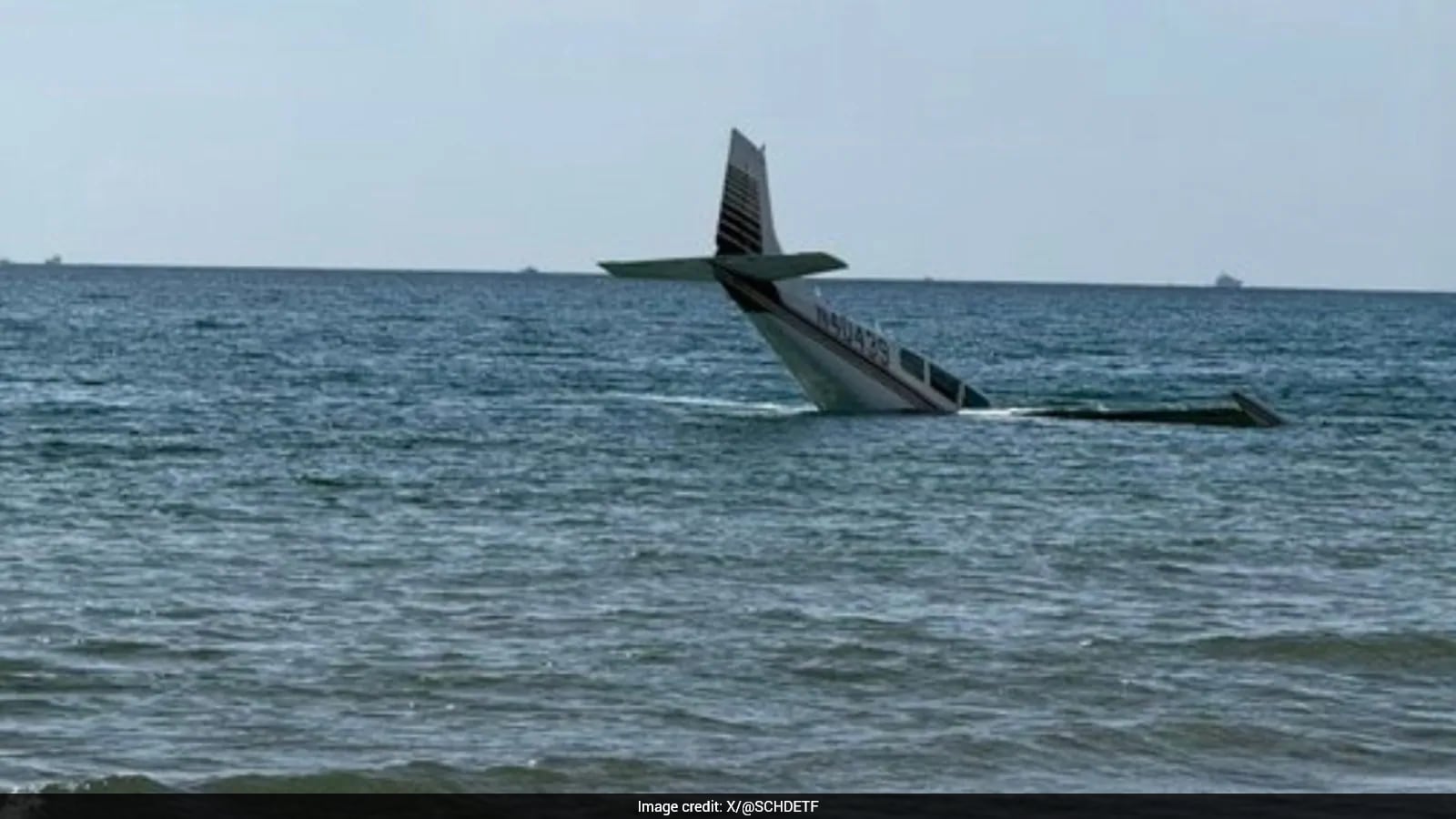
Young Pilot Safely Lands Small Plane Near Florida Beach

NTSB Says Alaska Plane Crashed During Second Landing Attempt

White House Radio Failure Brought Marine One Close To Jet

New York Factory Immigration Raid Faces Scrutiny One Year Later

Proposed H-1B Grace-Period End Raises Indian Worker Concerns

H-1B Grace Period Could End After US Layoffs
US Considers Ending H-4 Spouse Work Permits, Indians Hit Hardest