

2 weeks ago
Mumbai’s BEST Museum Preserves Forgotten Stories of City Travel
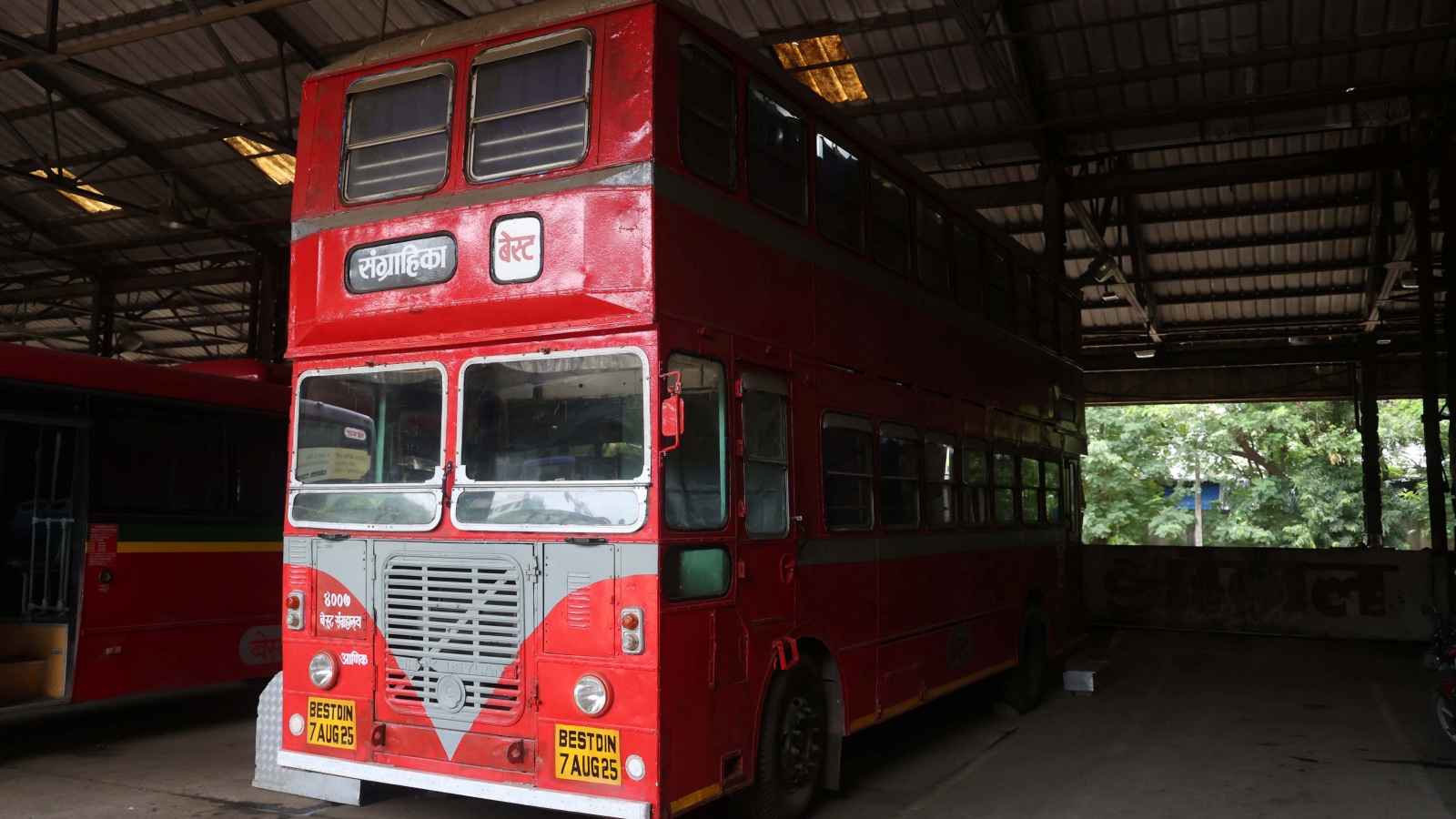
Mumbai’s BEST Museum keeps objects from the city’s transport and electricity history.
Long ago, some buses had small red letterboxes inside them.
Passengers could put letters in the boxes without leaving the bus.
The museum also has old tickets and a machine that punched tickets with a ringing sound.
Different ticket colours showed how much a ride cost.
BEST once used shops and advertisements to show people how to use electricity safely.
It even operated a tram that travelled around repairing electrical appliances.
These objects show how BEST tried to fit its services into everyday life.

Some BEST buses carried scarlet-red letterboxes between 1928 and 1930, allowing passengers to post mail while travelling.
The BEST Museum at Anik Depot displays tickets, tram benches, street lamps, bus models and other historical objects.
The museum began with a 1972 effort to collect material for a book about BEST’s history and opened at Kurla Depot in 1984.
A bell punch machine recorded ticket sales, while ticket colours indicated fares before the system ended in 1947.
BEST once used showrooms, advertising appliances and a mobile repair tram to encourage electricity use and serve customers.
- Who
- The Brihanmumbai Electric Supply and Transport undertaking, its staff and Mumbai’s passengers and electricity customers.
- What
- The BEST Museum preserves objects and stories about historic bus, tram, ticketing and electricity services, including letterboxes once fitted into buses.
- Where
- The museum is on the third floor of BEST’s administrative building at Anik Depot in Sion, Mumbai; its earlier public location was Kurla Depot.
- When
- The bus letterboxes were used for about two years between 1928 and 1930; the museum collection began in 1972, was first stored in 1981, opened in 1984 and moved to Anik Depot in 1993.
- Why
- BEST used innovations such as bus letterboxes, electricity showrooms and a repair tram to attract passengers, promote electricity use and serve customers.
Key facts
- First motor bus service
- Started on July 15, 1926, between Afghan Church and Crawford Market.
- Bus letterboxes
- Scarlet-red letterboxes were fitted into some buses from 1928 to 1930.
- Museum origins
- Material was collected in 1972 for a history book before being preserved as a separate collection.
- Museum timeline
- The collection was stored at Dharavi Depot in 1981, opened at Kurla Depot in 1984 and moved to Anik Depot in 1993.
- Ticket system
- The Williamson ticket printer used coloured tickets and was discontinued in 1947.
- Electricity operations
- The undertaking began generating electricity in 1905 to supply its tramway.
- Mobile repair tram
- A service tram converted 600 volts DC to 230 volts AC for repairing household appliances.
Quotes
Ambadas Garje
A representative of the BEST Museum
“It was to attract more people to the buses by allowing them to post their letters while travelling.”
 indianexpress.com
“The goal was to attract customers and show them that electrical appliances were safe to use.”
indianexpress.com
Sources
Related news
Godrej Archive Traces Modern India Through Everyday Objects
BEST Electric Bus Catches Fire in Mumbai, No Injuries Reported

Mumbai BEST Depot PPP Plan Draws Citizen Protest
Woman Dies Under Wet-Lease Bus Tyre In Worli
Passenger Dies After Seizure on Mumbai BEST Bus
BEST Bus Crashes Into Mankhurd Metro Pillar Avoiding Pedestrians

Nucleus Software Names Sudhanshu Tripathi Chief Marketing Officer
Gharapuri, Mumbai's Island Known As The City Of Caves

Canted Turnouts Enable High-Speed Track Switching on India’s Bullet Corridor
Thane Police Arrest Four, Seize ₹5.66 Crore Mephedrone

ICICI Securities Sees 27% Upside in Chalet Hotels
