

1 hr ago
NPCI Sets UPI MDR Below Traditional Card Charges

MDR is a fee that a merchant pays when accepting some digital payments.
NPCI says certain direct UPI payments to merchants will have a 0.4% fee if they are above ₹2,000.
Payments below ₹2,000 will not have this fee.
The fee cannot exceed ₹300 for payments of ₹75,000 or more.
Payments between people will remain free.
For example, a ₹3,000 purchase creates a ₹12 fee, while a ₹50,000 purchase creates a ₹200 fee.
Traditional credit cards usually charge merchants more, at about 1.5% to 2.5%.
Debit card charges can reach 0.90%.
UPI payments made using credit cards or credit lines follow different rules.

A 0.4% merchant discount rate applies to direct person-to-merchant UPI payments above ₹2,000 from 15 October.
UPI payments below ₹2,000 incur no MDR, while transactions of ₹75,000 or more are capped at ₹300.
Person-to-person UPI transfers remain completely free regardless of the amount transferred.
Traditional credit card MDRs typically range from 1.5% to 2.5%, while debit card MDRs can reach 0.90%.
Credit-linked UPI payments, including RuPay Credit Cards and bank credit lines, follow separate credit-product rules.
- Who
- The National Payments Corporation of India, merchants, banks, payment application providers, and UPI users are involved.
- What
- NPCI announced an MDR framework for selected person-to-merchant UPI transactions.
- Where
- It applies within the UPI payment ecosystem; no specific physical location is stated.
- When
- The framework is scheduled to begin on 15 October; the announcement was made the previous week, with no year specified.
- Why
- The framework is intended to support the long-term sustainability and expansion of UPI while keeping costs lower for individuals and small merchants.
Key facts
- UPI MDR rate
- 0.4% for direct person-to-merchant UPI payments above ₹2,000.
- No-MDR threshold
- Transactions under ₹2,000 incur no MDR.
- Maximum MDR
- ₹300 for transactions of ₹75,000 and above.
- Credit card comparison
- Standard credit card MDRs typically range from 1.5% to 2.5%.
- Debit card comparison
- Debit card MDRs are capped at up to 0.90%.
- Person-to-person UPI
- P2P UPI transfers remain free regardless of the amount.
- Example calculation
- A ₹3,000 purchase produces a ₹12 MDR, while a ₹50,000 purchase produces a ₹200 MDR.
- Credit-linked UPI
- RuPay Credit Cards linked to UPI and pre-sanctioned bank credit lines follow standard credit-product rules.
Quotes
Finance Ministry
Government ministry commenting on the scope of the UPI MDR framework
“Because credit linked transactions involve short-term loans funded by issuing banks, they follow standard credit card guidelines. The MDR discussed in this amendment apply specifically to direct users-account-to-merchant-account UPI transactions.”
 livemint.com
“Therefore, UPI transactions accounting for 70% of the total transaction value will remain completely outside the MDR framework.”
livemint.com
Sources
Related news

New UPI MDR Rules Keep Consumers Free, Charge Eligible Merchants
UPI, Debit and Credit Card MDR Costs Compared
Proposed UPI Fees Above Rs 2,000 Versus Credit Cards

UPI MDR Begins October 15, Merchants Face Charges, Customers Don’t
UPI Payments Above ₹2,000 Face New Merchant Fee

UPI Sets 0.4% MDR on High-Value Merchant Payments
Finance Ministry Urges Bank Employees to Refrain From Strike

Government Urges Bank Employees to Call Off September Strike
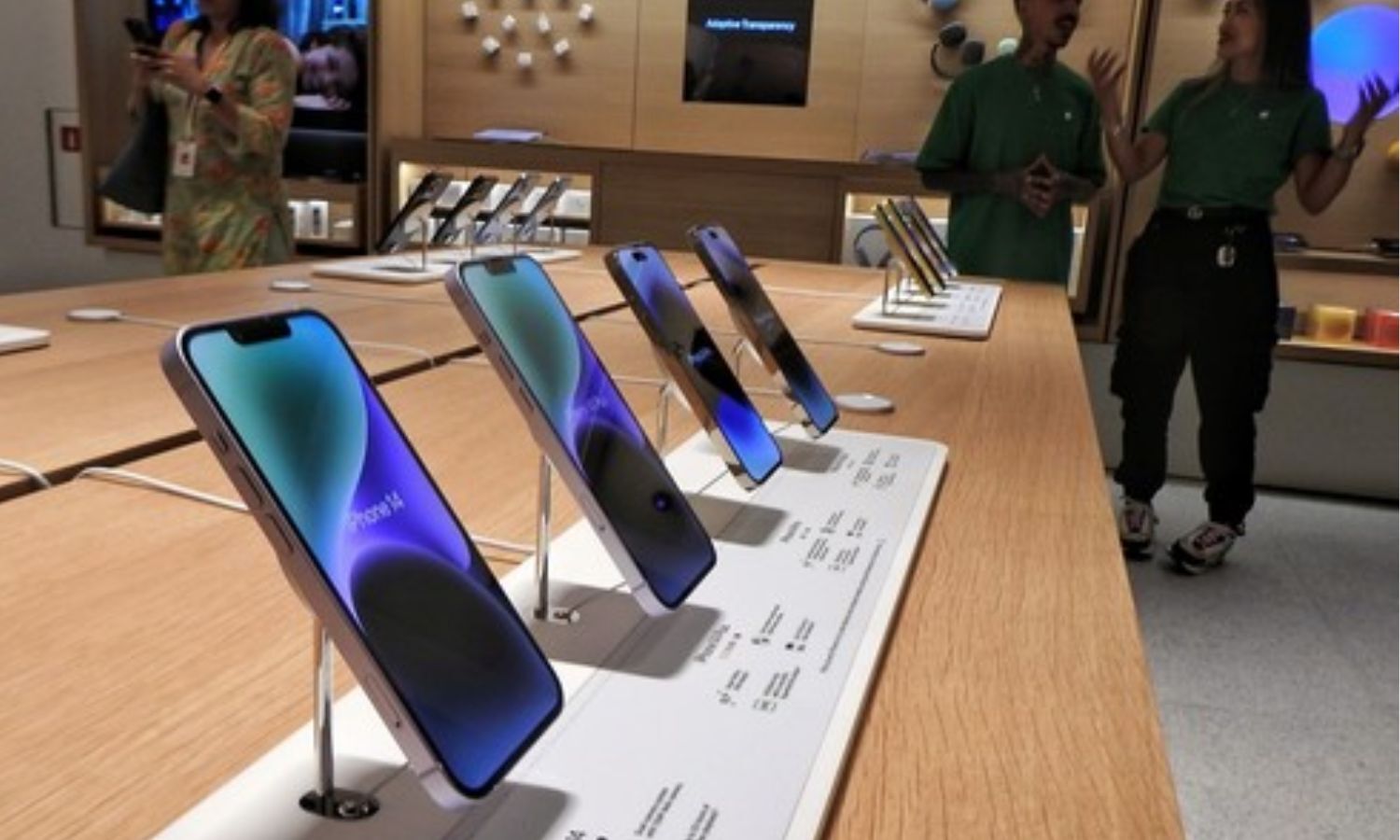
Mobile phone retailers seek exemption from proposed UPI charges

PIB Debunks Fake Free Laptop Scheme Applications Claim
