3 weeks ago
Punjab court acquits five men in 26-year-old culpable homicide case
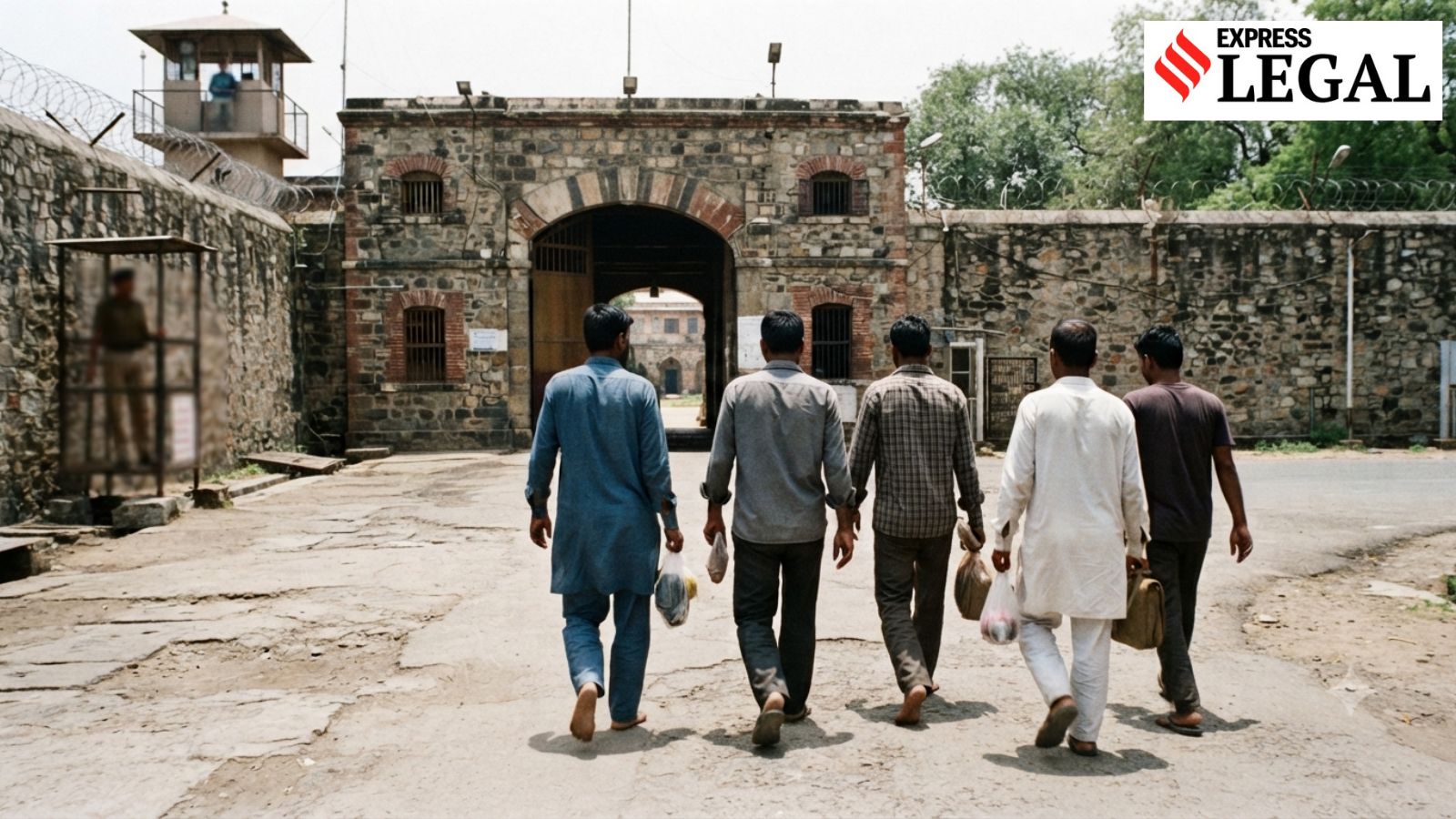
A long time ago, in a city called Jalandhar, there was a big fight, and a man named Balram Kapila got hurt very badly and died.
The police said five other men started the fight, and a court sent them to jail for ten years.
But the five men said the police were not telling the whole story.
They said the other side hurt them too, and the police never explained how four of them got injured.
Twenty-six years later, a big court called the High Court looked at all the evidence again.
The judge said that if the five men were the only ones attacking, it made no sense that four of them were also hurt.
He also found that an official inquiry suggested the other side started the fight.
Because there was so much doubt, the judge said the men should get the benefit of the doubt.
So the five men were set free.

The Punjab and Haryana High Court acquitted five men convicted in a 26-year-old culpable homicide case over the death of Balram Kapila.
Justice H S Grewal held that the prosecution's failure to explain injuries sustained by four of the accused struck at the root of its case.
The clash occurred in Jalandhar on May 21, 2000, following a long-standing, unresolved dispute over opening a ventilator.
The five men had been convicted under Section 304 read with Section 149 of the Indian Penal Code and sentenced to 10 years' rigorous imprisonment.
The court said evidence, including a departmental inquiry, created a strong probability that the complainant party initiated the confrontation.
- Who
- The Punjab and Haryana High Court, presided over by Justice H S Grewal, acquitted five appellants led by Pardeep Kumar; Balram Kapila died in the underlying incident.
- What
- The high court set aside the five men's convictions for culpable homicide, ruling the prosecution had not proved its case beyond reasonable doubt.
- Where
- The appeal was heard by the Punjab and Haryana High Court; the incident took place in Jalandhar, Punjab.
- When
- The acquittal was ordered on July 31, about 26 years after the May 21, 2000 clash; the trial court had convicted the men on October 15, 2005.
- Why
- The prosecution failed to explain the injuries four of the accused sustained in the same occurrence, which the court said undermined its version and entitled the men to the benefit of the doubt.
Prosecution's account
Defence account endorsed by the High Court
Who started the clash?
Prosecution's account
The five accused formed an unlawful assembly and, without any provocation, attacked the complainant party in a one-sided assault.
Defence account endorsed by the High Court
A departmental inquiry, medical evidence and unexplained injuries on four accused indicate the complainant party initiated the confrontation.
Genesis of the occurrence
Prosecution's account
The prosecution framed the case purely as an unprovoked attack and did not present the earlier ventilator dispute as the cause.
Defence account endorsed by the High Court
A long-standing dispute over opening a ventilator, taken to the village Panchayat but unresolved, was the true genesis that the prosecution concealed.
Key facts
- Court
- Punjab and Haryana High Court
- Presiding Judge
- Justice H S Grewal
- Case Type
- Culpable homicide appeal (Section 304 read with Section 149, Indian Penal Code)
- Deceased
- Balram Kapila
- Incident Date
- May 21, 2000, in Jalandhar
- Trial Conviction
- October 15, 2005 - 10 years' rigorous imprisonment
- Acquittal Date
- July 31 (26 years after the incident)
- Reason for Acquittal
- Prosecution failed to explain injuries to four accused; charges not proved beyond reasonable doubt
Quotes
Justice H S Grewal
Judge of the Punjab and Haryana High Court
“If the appellants alone had been the aggressors, there was no plausible reason for four of them to sustain such injuries, including grievous injuries on vital parts of their bodies. The prosecution has not even attempted to explain these injuries either through the ocular witnesses or through the Investigating Officer. The complete silence of the prosecution on this crucial aspect is not a mere omission but a deliberate suppression of material facts which strikes at the root of its case.”
 indianexpress.com
“The prosecution has failed to establish beyond reasonable doubt. The evidence on record creates a strong probability that the complainant party initiated the confrontation and suppressed material facts regarding its own participation in the occurrence. The appellants are, therefore, entitled to the benefit of doubt and deserve to be acquitted of the charges framed against them.”
indianexpress.com
Sources
Related news

Thane court acquits two men in 2016 attempted murder case

Indore High Court Acquits Woman in Jhabua Murder Case

High Court Acquits Two Brothers 17 Years After Murder Conviction
Supreme Court Acquits Odisha Murder Convict After 22 Years

High Court orders fresh hearing in 'Laadli' rape-murder case
Kerala HC Rules POCSO Overrides Muslim Marriage Law

Delhi-NCR Bus Assault Reignites Questions About Post-Nirbhaya Safety Laws

Bombay High Court Upholds Life Term in Wife’s Murder

Delhi court convicts man after linking dowry demands to death

How Foreign Rule and Institutions Reshaped Bharatiya Cultural Life