1 hr ago
Urban Company’s Marketplace Funds InstaHelp’s Costly Home-Help Expansion

Urban Company helps people book services such as cleaning, repairs and beauty treatments at home.
Customers pay through the platform, but the professional who does the work receives part of the money.
Urban Company keeps money through fees, commissions, memberships and product sales.
In the first quarter of FY27, the company handled ₹1,465 Cr worth of bookings and reported ₹528 Cr in revenue.
Its older India services business made a profit.
However, InstaHelp, a newer service for quick and frequent home-help bookings, lost ₹132 Cr during the quarter.
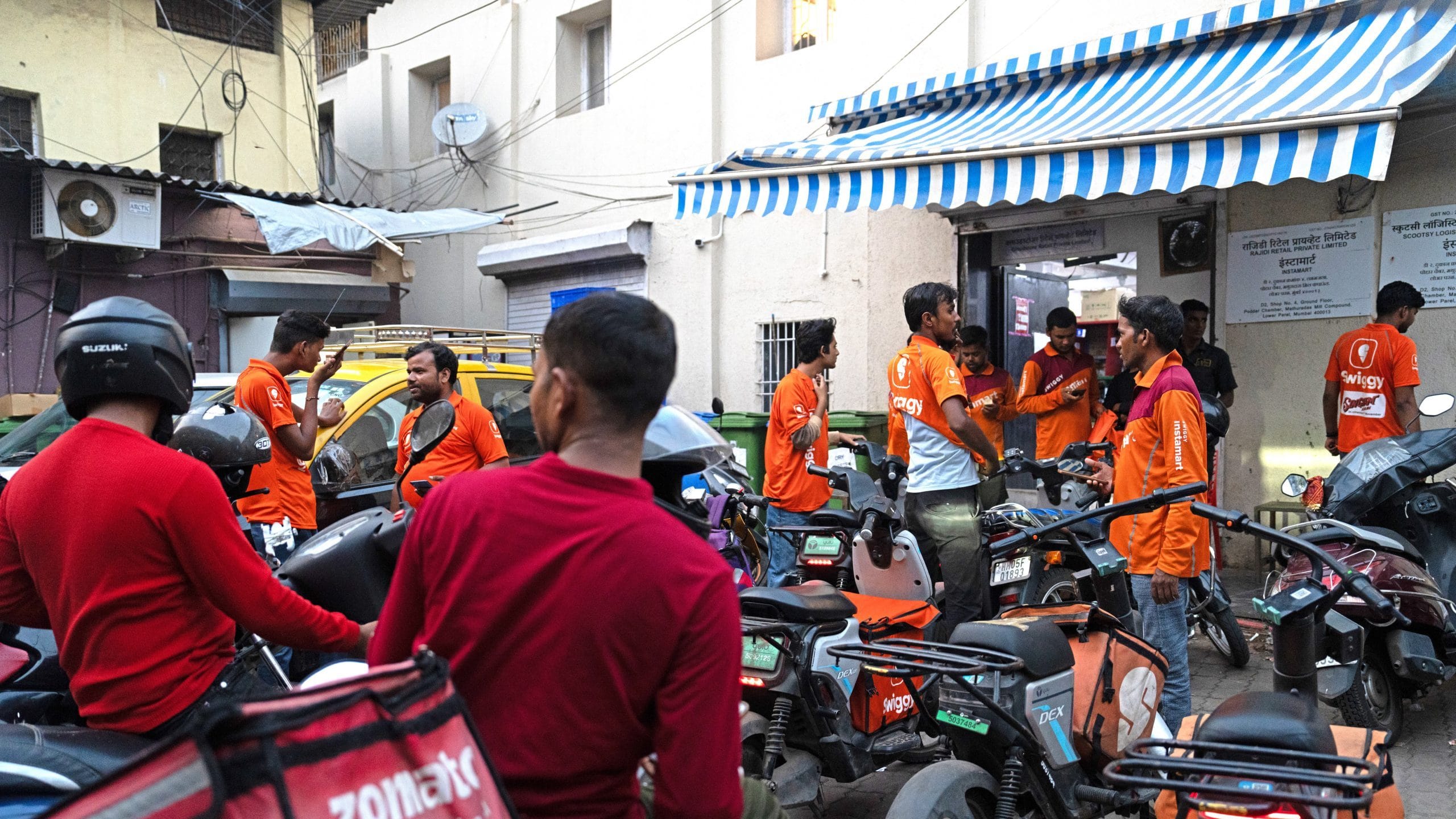
Urban Company is spending heavily to build many customers and professionals in the same neighborhoods.
The company believes this could eventually make bookings more efficient and create more business.
Some professionals have raised concerns about commissions, rules and working conditions.

Urban Company’s Q1 FY27 operating revenue rose 44% year over year to ₹528 Cr, but it swung from a ₹7 Cr profit to a ₹92 Cr loss.
The platform processed ₹1,465 Cr in net transaction value, while services contributed ₹290.2 Cr and product sales contributed ₹66.2 Cr to revenue.
InstaHelp generated ₹11 Cr in revenue from 3.82 million orders but recorded a ₹132 Cr adjusted EBITDA loss.
Urban Company’s core India consumer-services business generated ₹73 Cr in adjusted EBITDA, helping fund investments in InstaHelp and Native.
Service professionals have protested commissions, ratings, cancellations, working conditions and controls including identity blocking and auto-assignment.
- Who
- Urban Company, its service professionals, customers, and businesses including Native and InstaHelp.
- What
- Urban Company reported higher quarterly revenue but a ₹92 Cr loss as it invested heavily in InstaHelp and other expansion areas.
- Where
- The business operated across India and internationally in the United Arab Emirates, Singapore and Saudi Arabia.
- When
- The first quarter of FY27, compared with the first quarter of FY26 where stated.
- Why
- Urban Company is pursuing higher-frequency home-help bookings, product sales, cross-selling and international growth, while its core marketplace helps fund these investments.
Expansion and Platform Investment Case
Profitability and Partner Concerns
Why fund InstaHelp?
Expansion and Platform Investment Case
Urban Company views InstaHelp as a frequency-building and cross-selling opportunity. It says greater neighborhood density can improve professional utilization and reduce losses per order.
Profitability and Partner Concerns
InstaHelp generated only ₹11 Cr in revenue while producing a ₹132 Cr adjusted EBITDA loss, and management expects the business to remain loss-making for years.
Control of service professionals
Expansion and Platform Investment Case
Urban Company says training, certification, matching, ratings and performance systems help maintain service quality and improve availability, utilization and customer trust.
Profitability and Partner Concerns
Partners have protested commissions, identity blocking, ratings, auto-assignment, cancellation rules, working hours, days off and workplace facilities.
Native’s future
Expansion and Platform Investment Case
Urban Company is positioning Native as a focused extension of its household relationship, with products linked to its service network and recurring filter replacements.
Profitability and Partner Concerns
Keeping Native closely tied to the core platform limits its expansion, with management indicating it may enter only one additional category over the next five years.
Key facts
- Q1 FY27 operating revenue
- ₹528 Cr, up 44% year over year
- Q1 FY27 net transaction value
- ₹1,465 Cr
- Q1 FY27 consolidated result
- ₹92 Cr loss, compared with a ₹7 Cr profit in Q1 FY26
- InstaHelp orders
- 3.82 million, up 43% quarter over quarter
- InstaHelp adjusted EBITDA
- ₹132 Cr loss
- Core India consumer-services adjusted EBITDA
- ₹73 Cr
- Native Q1 FY27 revenue
- ₹95 Cr, up 60% year over year
Quotes
Abhiraj Singh Bhal
CEO of Urban Company, speaking on the company's Q1 FY27 earnings call
“We’re not trying to build a consumer durables company.”
 inc42.com
Sources
Related news

Urban Company Shares Rise 8% After UBS Buy Call
India’s UPI Needs Merchant Fees, Not American Pressure
Pidilite Q1: MD Sudhanshu Vats Decodes Stellar Earnings Performance

Astrotalk Becomes India's 133rd Unicorn via ESOP Buyback

India's UPI Is Public Infrastructure, Not Just Commercial Service

IndiQube co-founder says GCC story in managed offices overplayed
Internet Stocks Rally as MSCI Rejig Boosts IPO Activity
Seven Water Purifiers Under Rs 15,000 Compared For Indian Homes
Delhi-Born Entrepreneur Explains Why He Prefers Gurugram Despite Civic Problems

India’s Public Market Fundraising May Hit Record ₹6.5 Trillion