

2 hrs ago
Young Bodies May Rejuvenate Transplanted Hearts, Preliminary Study Finds
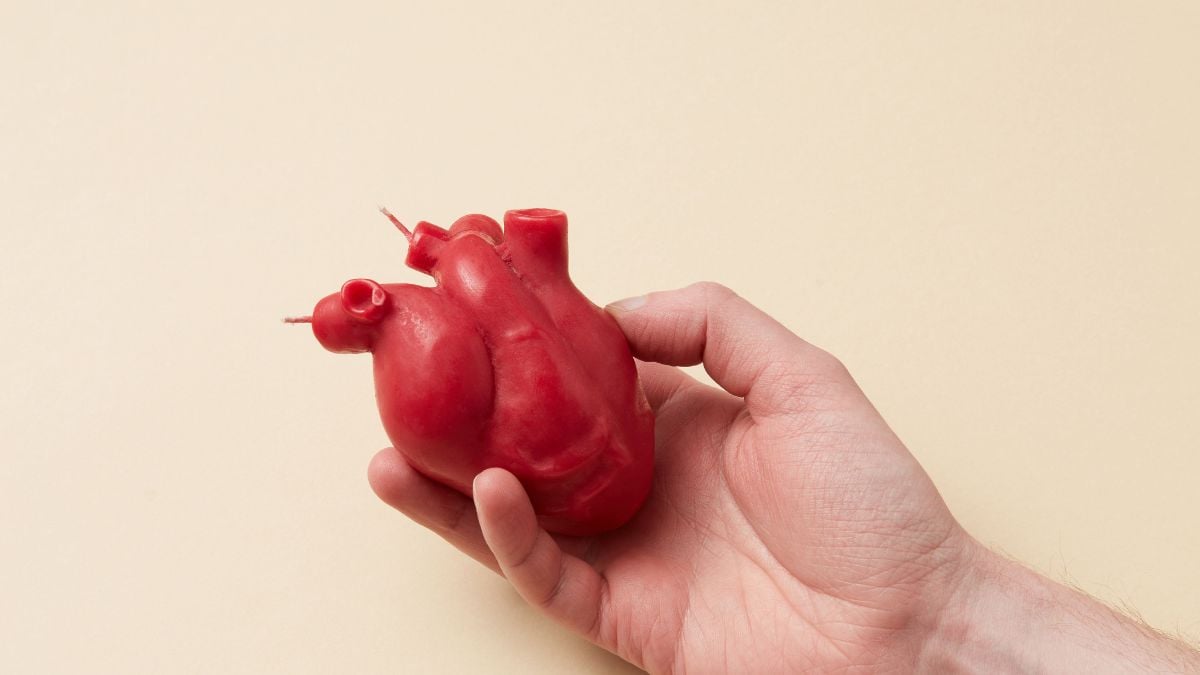
Scientists studied whether a transplanted heart changes as it lives inside a new body.
They used hearts from young, middle-aged, and old mice.
Each heart was placed into mice of different ages.
After several months, the hearts showed signs of becoming more like the age of their new bodies.
Young hearts in older mice appeared to age faster.
Older hearts in young mice showed signs of becoming younger biologically.
Researchers also examined 11 human heart transplants with large age differences.
Those cases showed patterns similar to the mouse experiments.
The study is still a preliminary report and scientists do not yet know exactly why this happens.

Harvard University researchers reported that transplanted hearts can shift biologically toward the recipient’s age.
In mice, young hearts aged faster in older bodies, while older hearts showed signs of rejuvenation in younger bodies.
Researchers studied hearts from mice aged three months, one year, and 1.5 years after transplantation.
The age-related changes were observed four to six months after transplantation through tissue and genetic analysis.
An analysis of 11 age-disparate human heart transplants at Brigham and Women’s Hospital showed similar effects, but the study has not yet been peer-reviewed.
- Who
- Researchers at Harvard University studied transplanted hearts in mice and examined 11 human transplant cases at Brigham and Women’s Hospital.
- What
- The study found that a transplanted heart’s biological age may shift toward the age of its recipient.
- Where
- The experiments were conducted in mice, while human transplant data came from Brigham and Women’s Hospital in Boston.
- When
- The mouse hearts were examined four to six months after transplantation; the report is preliminary and has not yet been peer-reviewed.
- Why
- Researchers aimed to understand how donor hearts adapt biologically after being placed in recipients of different ages.
Key facts
- Study status
- Posted on bioRxiv and not yet peer-reviewed
- Researchers
- Researchers at Harvard University
- Animal model
- Mice aged three months, one year, and 1.5 years
- Main finding
- Donor-heart biological age shifted closer to the recipient’s age
- Human data
- 11 heart-transplant cases with significant age gaps
- Observation period
- Four to six months after transplantation in the mouse experiments
- Human hospital
- Brigham and Women’s Hospital in Boston
Quotes
Harvard researchers
Researchers who conducted the preliminary heart-transplant ageing study
“Organ transplantation offers a unique platform to investigate ageing biology as it uniquely enables delineating effects of grafting a tissue of a particular age into an environment of differing age.”
 theprint.in
Sources
Related news

Genetically Modified Pig Kidney Bridges Man to Human Transplant
Gene-Edited Pig Kidney Bridges Patient to Human Transplant

Guntur Donor Heart Reaches Tirupati, Saves 14-Year-Old Girl

Why Yoga Becomes More Important for Healthy Ageing

Human Brain Organoids Integrated Into Mouse Brains, Enabling Disease Research

AI-Generated Drug Shows Early Signs of Slowing Aging

Anika Parashar Shares Her Workday, Weekends, and Business Inspirations

Three newborns die in Amravati hospital fire as probe begins

Former McKinsey Executive Returns to India After 13 Years

Inquiry Confirms Negligence at Badaun Hospital
