

1 hr ago
UPI Charges Debate Balances Sustainability With Affordable Payments
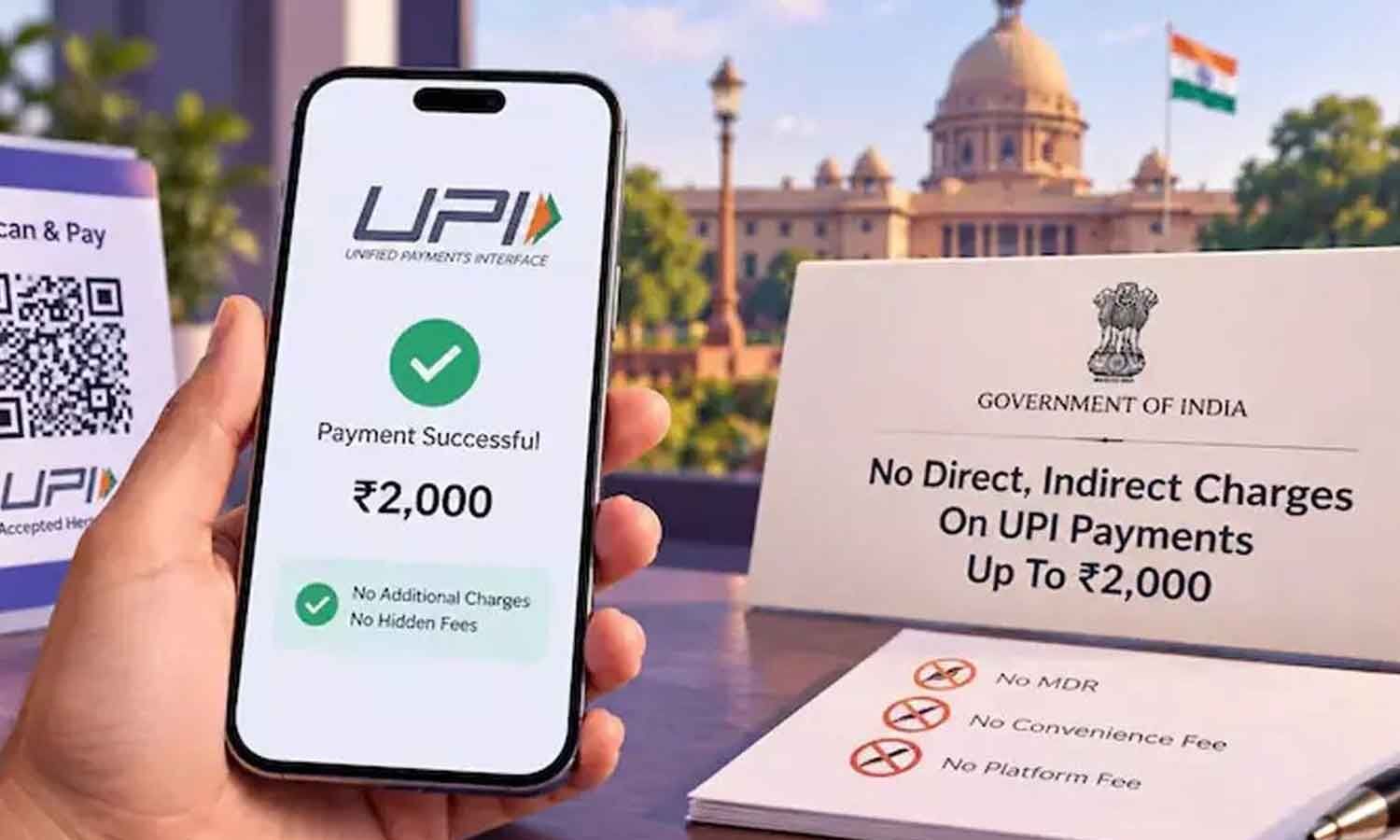
UPI lets people and businesses send money quickly using phones.
Even though users usually pay nothing, operating UPI still costs money.
The system needs computers, cybersecurity, fraud protection and customer support.
A proposed charge on some payments above ₹2,000 has caused concern.
Large businesses may be better able to help pay for the system than street vendors or ordinary users.
However, businesses might pass the cost on to customers by raising prices.
Some businesses might also discourage UPI and ask people to use cash or cards.
One suggested solution is to keep small payments free and charge larger commercial payments modestly.
The money collected should be clearly used to maintain and improve UPI.

UPI processed about 24,162 crore transactions worth ₹314.23 lakh crore in 2025-26, serving more than 55 crore users.
A proposed 0.4% charge on transactions above ₹2,000 from October 15 has raised concerns among consumers and merchants.
Supporters say high-value commercial users should contribute to infrastructure, cybersecurity, fraud prevention and technology costs.
Critics warn that merchants could pass costs to consumers, discourage UPI payments or encourage a return to cash.
The proposed alternative is a progressive model that keeps person-to-person and small-value payments free while charging larger commercial transactions modestly.
- Who
- Consumers, small merchants, large businesses, banks, payment platforms and the government are affected by the proposed UPI charge.
- What
- India is debating a proposed 0.4% charge on UPI transactions above ₹2,000 and how to fund the payment system without reducing access.
- Where
- Across India, including metropolitan cities, small towns and villages.
- When
- The proposed charge is described as beginning October 15; the article also cites UPI activity during 2025-26.
- Why
- The debate concerns the long-term financial sustainability of UPI infrastructure while preserving affordability, convenience and inclusion.
Protect Free, Inclusive UPI
Charge High-Value Commercial Users
Who should pay
Protect Free, Inclusive UPI
Consumers, street vendors and small businesses should be protected from direct charges because fees could reduce affordability and inclusion.
Charge High-Value Commercial Users
Large retailers and other businesses handling many high-value transactions benefit substantially from UPI and may have greater willingness and ability to contribute.
Effect on prices and usage
Protect Free, Inclusive UPI
Charges could be passed to customers, raise prices, encourage cash use or lead businesses to discourage high-value UPI payments.
Charge High-Value Commercial Users
A limited charge focused on larger commercial transactions could help fund the system without materially affecting small-value and person-to-person payments.
Role of government
Protect Free, Inclusive UPI
The government should continue supporting UPI where necessary to preserve its public-infrastructure benefits and less-cash objectives.
Charge High-Value Commercial Users
Sustainable participant revenue could reduce dependence on government incentives, while any additional tax revenue should be secondary to maintaining the payment ecosystem.
Key facts
- Proposed charge
- 0.4% on transactions above ₹2,000, beginning October 15, according to the article.
- UPI transactions
- About 24,162 crore transactions in 2025-26.
- Transaction value
- Approximately ₹314.23 lakh crore in 2025-26.
- Users
- More than 55 crore people, including users in cities, towns and villages.
- User preference
- A cited survey found that 57% of users prefer UPI to cash.
- Daily usage
- About 65% of surveyed users make at least one UPI payment daily.
- Suggested model
- Keep person-to-person and small-value payments free, while applying modest, progressive charges to larger commercial transactions.
Sources
Related news

India Debates MDR Charges to Sustain UPI Payment Revolution
Proposed UPI MDR Draws Criticism as Government Details Limited Charges

Paytm CEO Supports Charges on Large UPI Payments
UPI Charges Raise Questions About Digital Payments’ Future
India Weighs Selective UPI Fees to Sustain Digital Payments Growth
Urdu Dailies Question Bushara Bano Transfer and BJP Fortunes

UPI’s Next Decade Targets Invisible, Intelligent, Cross-Border Finance

NPCI Says GST Won’t Burden Small Merchants Using UPI

PhonePe Wins Initial Approval for Two UAE Payment Licences
