

14 hrs ago
From a Delhi Flat to India’s Billion-Rupee Sports Economy
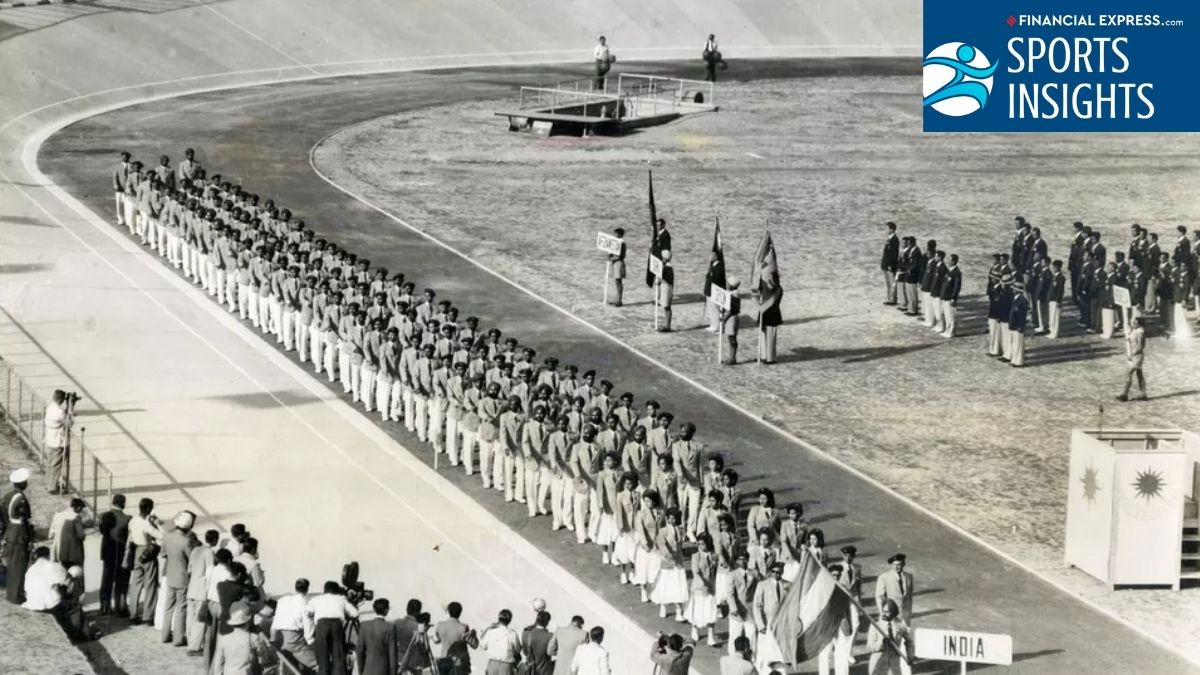
India’s first Asian Games in 1951 were organised with very little money and a very small staff.
SS Dhawan and his wife worked from an apartment in New Delhi.
Anthony de Mello helped rescue the event after it was delayed.
He borrowed money, asked people to buy memberships and obtained help from the Army.
The Army provided housing, while a London sports company supplied equipment.
Eleven countries and 489 athletes took part in the Games.
Japan won the most gold medals, while India won 15.
Today, India is spending much more on sports facilities, technology and equipment manufacturing, but the challenge is still using the money wisely.

The 1951 Asian Games were organised from a Delhi apartment with limited staff and funding.
Anthony de Mello relied on loans, memberships, patrons, Army barracks and equipment support to stage the Games.
India hosted 489 athletes from 11 nations, while Japan led the medal table with 24 golds.
The 2026-27 sports budget rose to ₹4,479.88 crore and included ₹500 crore for domestic sports-goods manufacturing.
India is building the ₹6,000-crore Sardar Vallabhbhai Patel Sports Enclave as it pursues the 2036 Olympics.
- Who
- SS Dhawan, Anthony de Mello, Indian organisers, athletes from 11 nations, and the Indian government.
- What
- India’s sports system developed from the improvised 1951 Asian Games into a large publicly funded and commercial sports economy.
- Where
- The first Games were held in New Delhi, with support from Bombay and the Indian Army; the new sports enclave is being built in Motera, Gujarat.
- When
- The first Asian Games opened on March 4, 1951; current figures cited cover the 2025-26 and 2026-27 budgets, with construction plans linked to 2036.
- Why
- The 1951 organisers needed to overcome a funding and infrastructure shortage, while modern India is investing to improve sporting performance and build sports-related industries.
Lean, Community-Funded Approach
State-Backed, Large-Scale Approach
How to finance sport
Lean, Community-Funded Approach
The 1951 Games show that loans, memberships, private patrons, donated facilities and concessions can deliver an international event with limited public spending.
State-Backed, Large-Scale Approach
Modern ambitions require substantial public investment in venues, grassroots programs, sports bodies, manufacturing and technology.
Scale and infrastructure
Lean, Community-Funded Approach
Improvised arrangements, including Army barracks and borrowed equipment, allowed the first Games to proceed despite weak infrastructure.
State-Backed, Large-Scale Approach
Permanent Olympic-standard facilities such as the Sardar Vallabhbhai Patel Sports Enclave are intended to provide lasting capacity and support a 2036 Olympic bid.
Spending risk
Lean, Community-Funded Approach
The 1951 model emphasised careful use of scarce resources and personal accountability, with every expense requiring creative justification.
State-Backed, Large-Scale Approach
Large projects can support national sporting goals, but the article notes that overruns at the 1982 and 2010 events raise concerns about oversight and value for money.
Key facts
- First Asian Games
- Held in New Delhi in 1951; 489 athletes from 11 nations participated.
- Opening date
- March 4, 1951.
- 1951 funding
- The National Sports Club of India provided the Indian Olympic Association an interest-free loan of ₹1 lakh.
- Medal table
- Japan won 24 gold medals; host India won 15.
- 2026-27 sports budget
- ₹4,479.88 crore, including ₹500 crore for domestic sports-goods manufacturing.
- Sports technology market
- Valued at $501.3 million in 2025 and projected at $1,528.5 million by 2034, according to IMARC Group.
- Sardar Vallabhbhai Patel Sports Enclave
- A 350-acre, ₹6,000-crore project in Motera, Gujarat, designed to meet Olympic standards.
Quotes

Mahmoud Namdjou
Iranian bodybuilder and reigning world weightlifting champion who competed in the 1951 Mr. Asia contest
“It is not fair competition when a Mr. Universe finalist cannot be Mr. Asia.”
 financialexpress.com
Sources
Related news
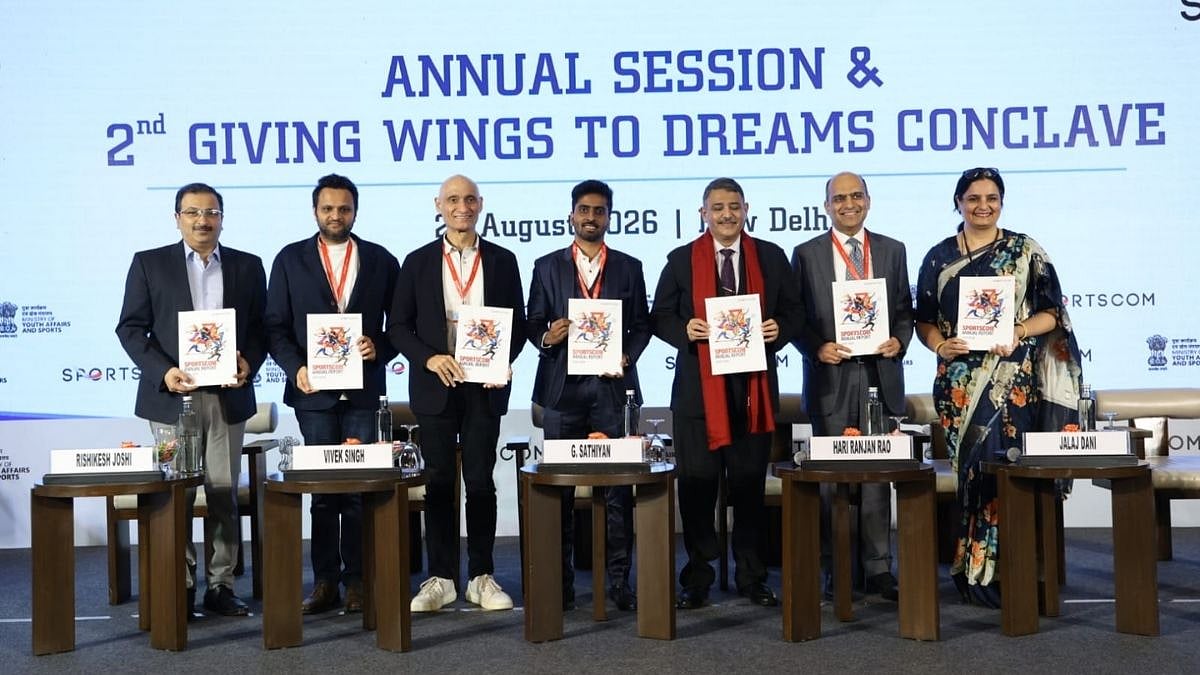
Sathiyan Says Ecosystem Support Is Key To India's Sporting Rise
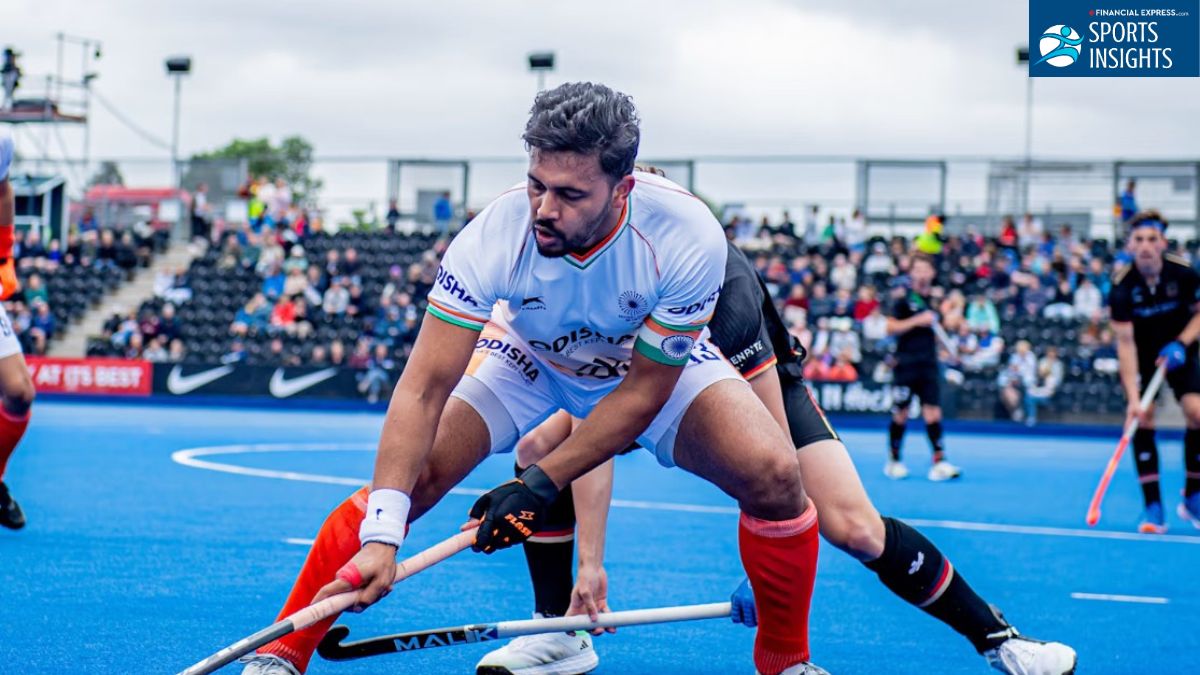
Why Indian hockey stopped winning: 1975 glory and AstroTurf decline

Corporate India Urged to Build Sports, Not Just Sponsor
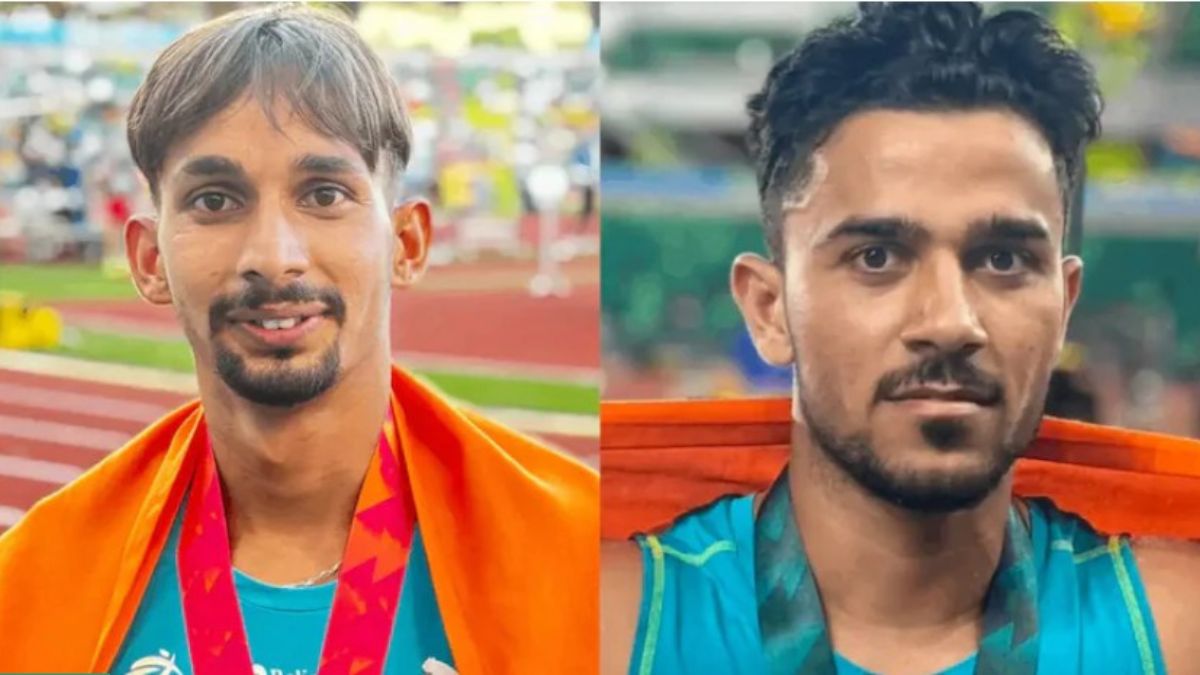
India's Record U20 Medal Haul Fueled by Corporate Sports Investment

Nehwal: Medal tally, not hosting, defines India's sporting status
India's Sporting Rise Under PM Modi: 39 Commonwealth Games Medals
Sports Authority Names Gandhinagar Director as IPS Reshuffle Looms
Thousands Join Thane's 32nd Mayor's Varsha Marathon Amid Rain

Delhi and Patna Host Fitness Runs on National Sports Day

Kishan Reddy Says Modi’s Grassroots Sports Push Is Building Talent
