

6 hrs ago
Maruti Suzuki Chief Calls for World-Class Indian Manufacturing
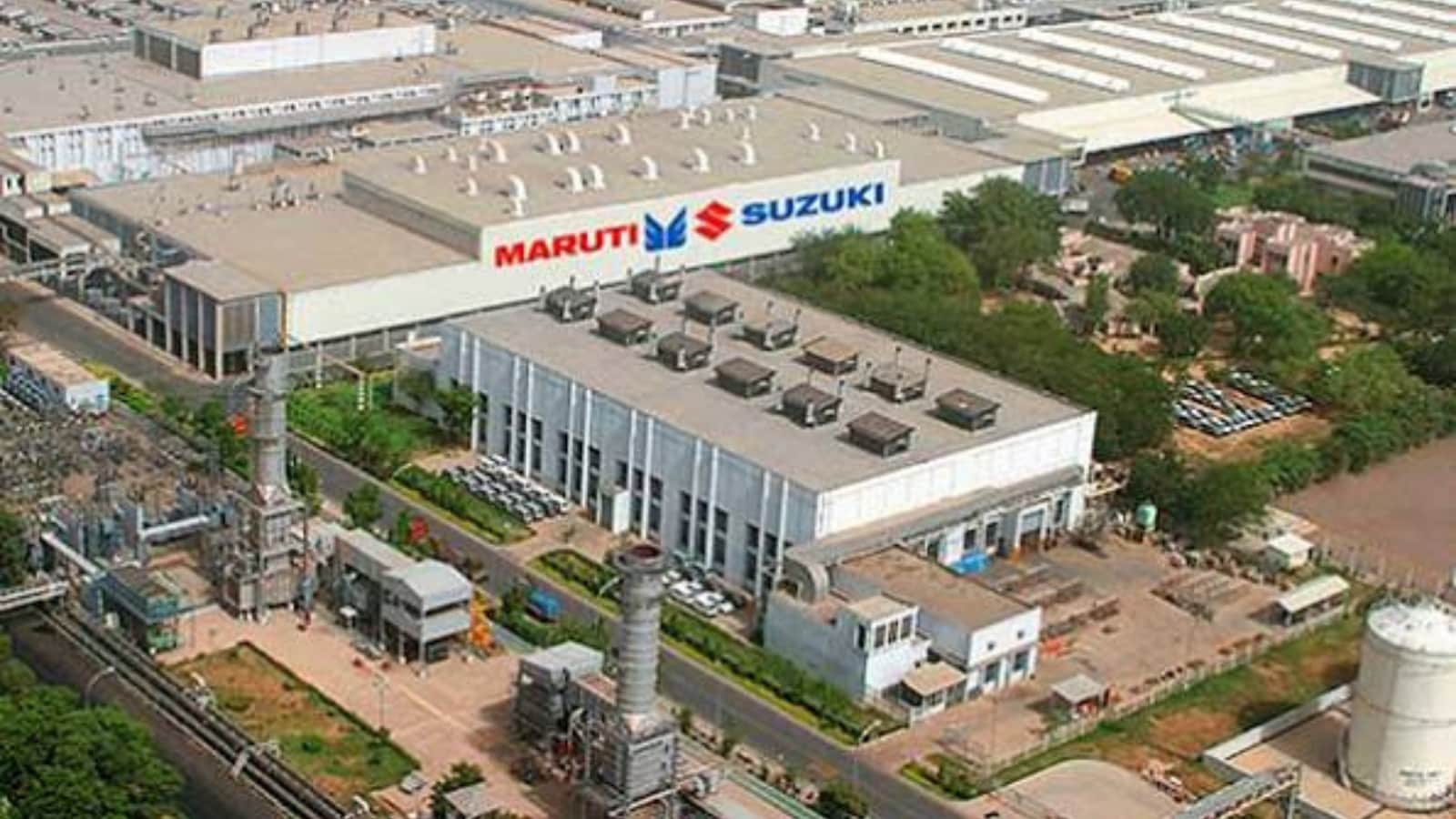
Maruti Suzuki’s chief says India has a big chance to make more products for the world.
He explained that simply making more parts in India is not enough.
Products made in India must also be as good as products made anywhere else.
Smaller suppliers that provide parts will be very important in reaching this goal.
Companies will need better technology, engineering and quality systems.
Workers will also need training and opportunities to learn.
Government programs and growing demand in India may help the industry expand.
The car industry has already shown it can handle shortages and other disruptions.

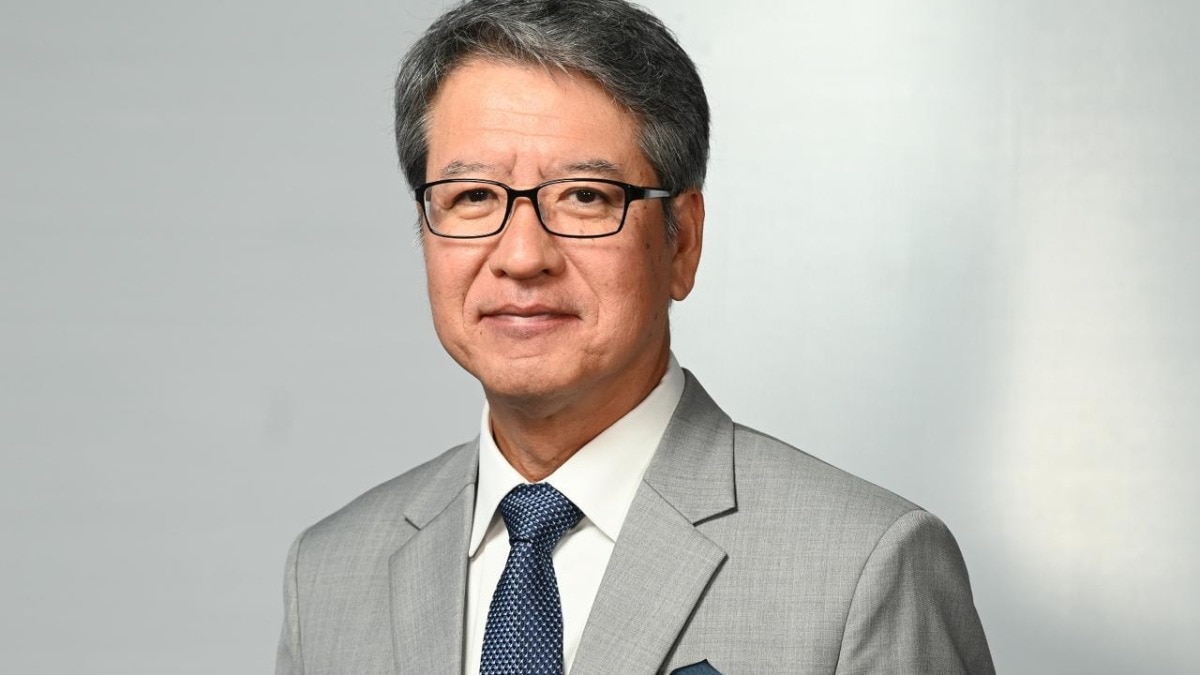
Maruti Suzuki CEO Hisashi Takeuchi said deep localisation alone cannot make India a global manufacturing hub.
He stressed that Indian-made products must meet the world’s best quality standards.
Takeuchi identified localisation, people development, collective learning and technology as key competitiveness enablers.
He said Tier-2 and Tier-3 suppliers need stronger technology, engineering capabilities and quality systems.
Government initiatives, domestic demand and export potential are creating opportunities as global supply chains are reconfigured.
- Who
- Hisashi Takeuchi, managing director and CEO of Maruti Suzuki India, and the wider automotive industry.
- What
- Takeuchi called for stronger quality, technology and supplier capabilities to make India a global manufacturing hub.
- Where
- India, in the context of its automotive manufacturing sector.
- When
- At the 66th ACMA Annual Session; the articles do not provide a date.
- Why
- Global supply chains are being reconfigured, creating an opportunity for India, but competitiveness will require more than deep localisation.
Key facts
- Speaker
- Hisashi Takeuchi, managing director and CEO of Maruti Suzuki India
- Event
- 66th ACMA Annual Session
- Four enablers
- Deep localisation, people development, collective learning and technology
- Supplier focus
- Tier-2 and Tier-3 suppliers
- Required improvements
- Technology, engineering capability, quality systems and supply-chain communication
- Policy support
- The PLI scheme and India Semiconductor Mission
- Industry pressures
- Semiconductor shortages, geopolitical tensions and supply-chain challenges
Sources
Related news
Automakers Need Cybersecurity Contingency Plans Amid Supply Risks
India's Manufacturing Push Faces Value Addition Test, Deloitte Says

Maruti Suzuki Expands India’s Manufacturing and Export Power

Chhatrapati Sambhajinagar Holds Potential for Maharashtra's Advanced Manufacturing Growth

India Seeks Bigger Role as Google Diversifies Pixel Production

Goyal Urges Japanese Firms to Build India Manufacturing Chains

Indian Gen Z Shifts From Study Abroad To Global Courses

Indian Firms Invest $40 Billion in U.S., Supporting Jobs

BPCL, CSE Partner on Biofuels and Circular Economy
India’s Record Wheat Harvest Opens $1.5 Billion Export Window

Nepal Thanks India as Glacial Disaster Rescue Efforts Continue
