Science & Tech · Science & Environment · 1 day ago
Ethiopia has planted more than 47 billion seedlings in forest restoration drive
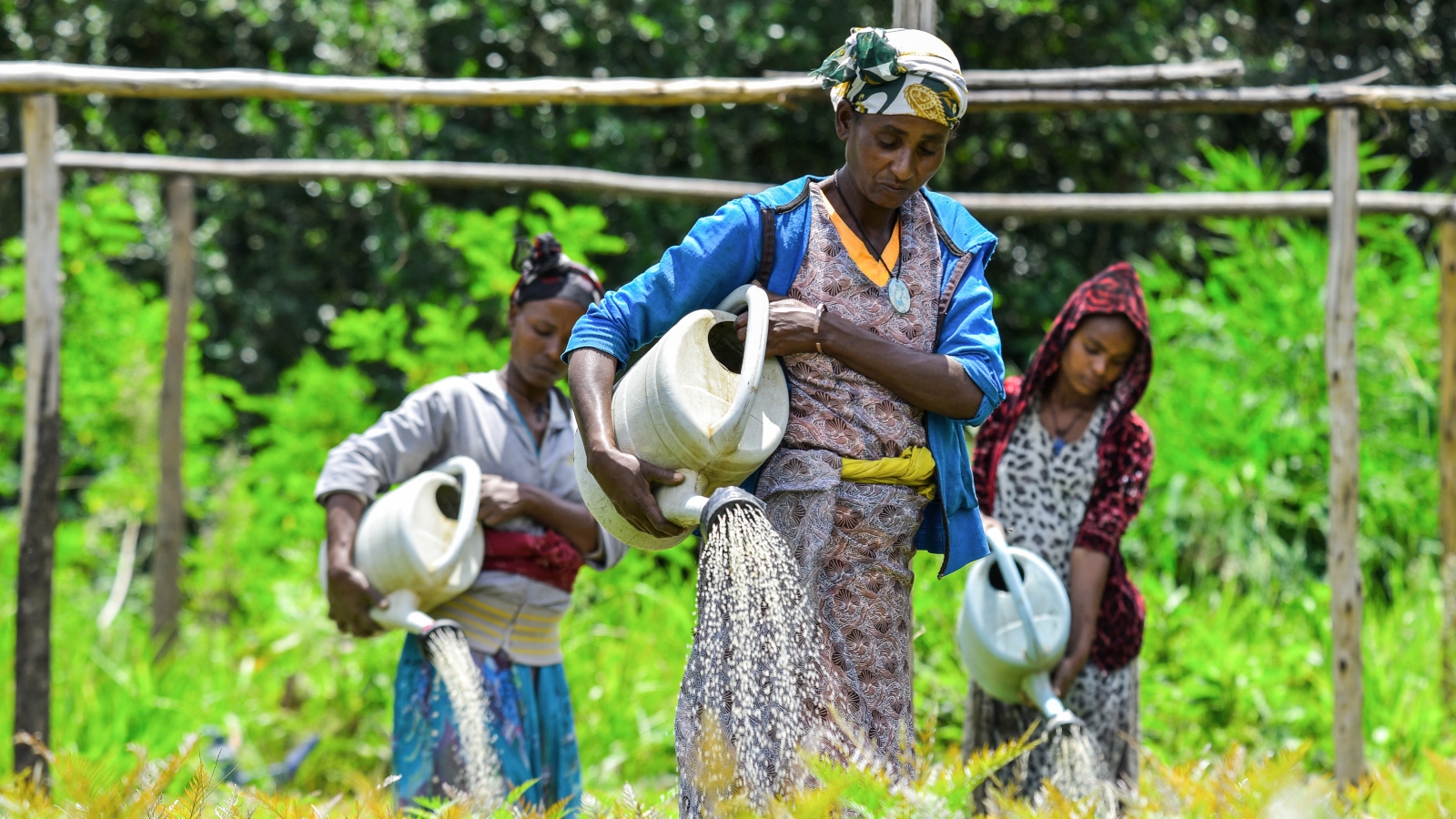
Ethiopia has lost much of its forest cover over the past century as trees were cleared for farms, grazing, fuel and construction.
Without tree roots and vegetation to protect the soil, heavy rain and wind have washed away fertile topsoil, while drought has made farming harder.
The damage threatens harvests and livelihoods in a country where more than 100 million people depend on agriculture.
In the past seven years, Ethiopians have planted more than 47 billion seedlings in a nationwide restoration effort.
The campaign aims to plant 50 billion by 2030, including trees on farmland and in areas intended to rebuild native forests.
Researchers say many planted trees may not survive, but even a share surviving could make a significant difference.
The planting is part of broader efforts to restore land and help protect it from worsening climate pressures.

Ethiopia is trying to restore forests and degraded land through a nationwide tree-planting campaign known as the Green Legacy Initiative.
Over the past seven years, tens of millions of Ethiopians have planted more than 47 billion seedlings, and the campaign aims to plant 50 billion by 2030.
The country’s forest cover fell from an estimated 35 to 40 percent in the early 20th century to less than 3 percent by 1989, as trees were cleared for farming, grazing, fuel and construction.
Erosion and drought have harmed farms and food production; land degradation is estimated to cost Ethiopia $4.3 billion a year.
Farmer Niku Argane planted 80 seedlings on his farm and 50 in a communal area in the Gurage Zone.
- Who
- The Ethiopian government, farmers, volunteers and other participants in the Green Legacy Initiative.
- What
- A nationwide effort to plant trees and restore forests and degraded landscapes.
- When
- The initiative began in 2019 and aims to plant 50 billion seedlings by 2030.
- Where
- Ethiopia.
- Why
- To address forest loss, soil erosion and land degradation, and help protect the country from climate impacts.
This story does not have two clearly opposing sides.
We have never stopped farming, but our production declined because of land degradation
Reforestation is one of the most difficult things you can imagine
It almost always fails, but this is so big that even if 30 percent of the trees survive, it’s still huge.
Forests covered an estimated 35 to 40 percent of Ethiopia.
After devastating droughts and famines, the government and international donors began investing heavily in soil and water conservation.
Ethiopia’s forest cover was estimated at less than 3 percent.
The government turned tree planting into a nationwide campaign through the Green Legacy Initiative.
The initiative aims to plant 50 billion seedlings.
- Seedlings planted
- More than 47 billion over the past seven years
- Campaign target
- 50 billion seedlings by 2030
- Estimated annual cost of land degradation
- $4.3 billion
- Forest cover in 1989
- Estimated at less than 3 percent
- Niku Argane’s planting
- 80 seedlings on his farm and 50 in a communal area
Sources
Related news
Researchers map hair-like sensory cells across squid bodies
Bellbird and Seriema Among the Loudest Birds Measured
Survey finds only 83 mature cheetahs across a vast area of South Africa

British Columbia rogue wave was nearly three times taller than nearby waves

Detached sea cucumber tissue remained active for more than three years
New book examines the survival skills of 75 fierce forms of nature

Air pollution reaches ‘very poor’ levels in towns near Manaus
Young Puerto Rican parrot rescued from invasive boa
Warm, mostly sunny weather forecast across the Netherlands this week
Researchers confirm a new giant waterlily species in Colombia
Amazonas fires rise 271% in the first 10 days of October