Science & Tech · Big Tech & Internet · 1 day ago
Google introduces Android-based Googlebooks as it phases out ChromeOS
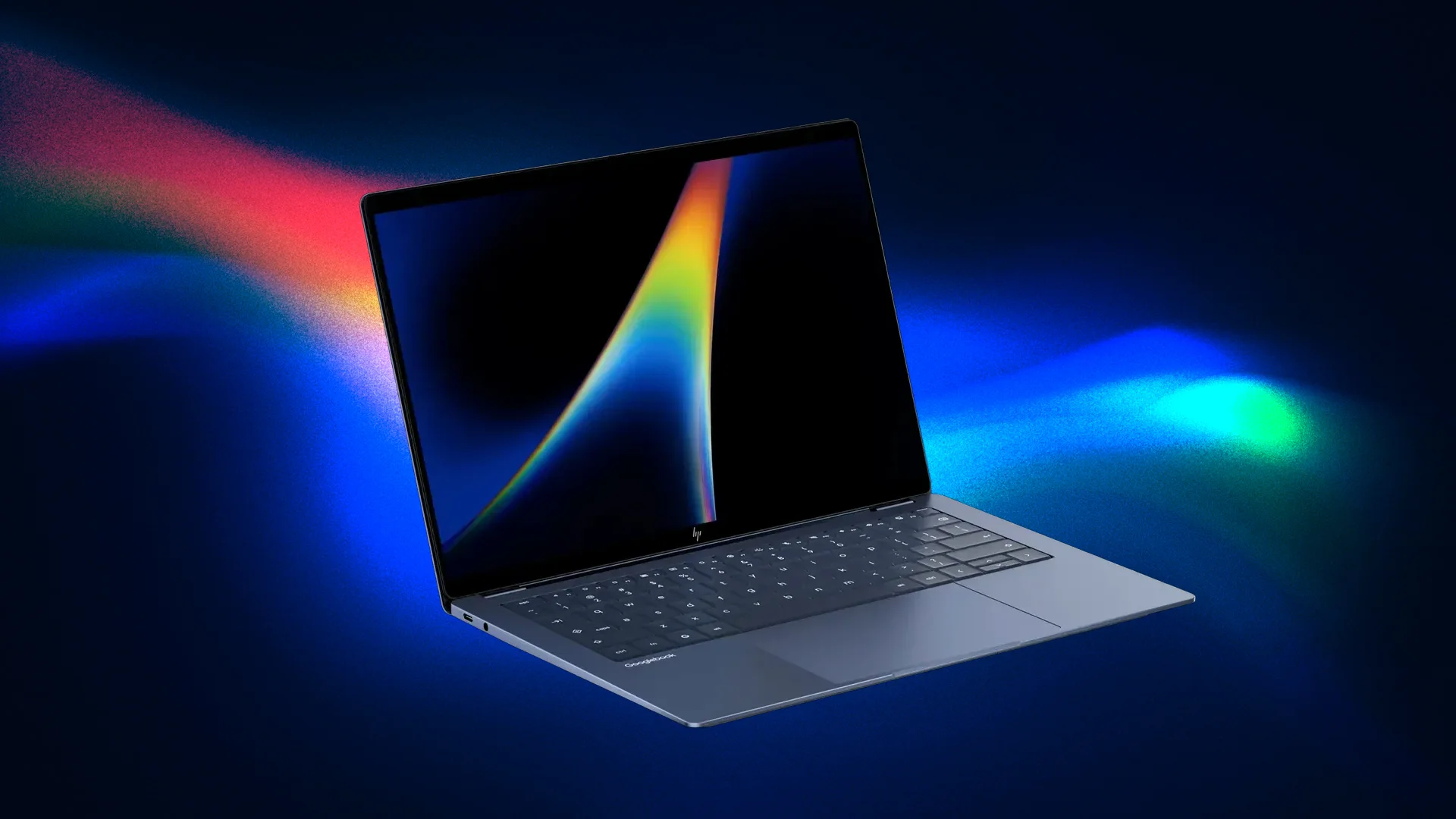
Google is launching Googlebooks, a new type of laptop based on Android.
The devices will run Android apps and connect closely with Android phones, with Google’s Gemini AI features built in.
Google also plans to phase out ChromeOS, the lightweight system it introduced in 2009 for laptops focused on using the web.
The first Chromebooks arrived in 2011, built around the idea that people could do most of their laptop work in a browser.
Google says it will convert many existing Chromebook models to Googlebooks and end ChromeOS support entirely by 2034.
The shift moves Google away from a system centered on the open web and toward one based more directly on its own Android platform.

Google has launched Googlebooks, a new platform for Android-based laptops with native Android app support and connectivity with Android phones.
Googlebooks include Gemini features that users can access with a cursor gesture, as part of Google’s effort to rebuild Android around AI.
Google plans to phase out ChromeOS, the operating system it introduced in 2009, and says it will end support for it entirely by 2034.
The company says many existing Chromebook models will be converted to Googlebooks, though the article does not specify which models.
The article says Chromebooks represented a bet on the open web, while Googlebooks shift toward a platform more directly under Google’s control.
- Who
- What
- Google launched Googlebooks and plans to phase out ChromeOS.
- When
- Googlebooks were launched by the time of the article’s publication on 2026-10-10; ChromeOS support will end by 2034.
- Where
- Not stated
- Why
- Googlebooks extend Google’s effort to rebuild Android around AI and provide Android apps on laptops.
This story does not have two clearly opposing sides.
Speed, simplicity and security are the key aspects of Google Chrome OS. We’re designing the OS to be fast and lightweight, to start up and get you onto the web in a few seconds. The user interface is minimal to stay out of your way, and most of the user experience takes place on the web. And as we did for the Google Chrome browser, we are going back to the basics and completely redesigning the underlying security architecture of the OS so that users don’t have to deal with viruses, malware and security updates. It should just work.
Google introduced ChromeOS as a lightweight operating system designed to focus on speed, simplicity, security and the web.
The first Chromebooks arrived, running the Chrome browser with limited internal storage and no regular desktop software.
Fast Company reported that Google had launched Googlebooks, its new platform for Android-based laptops.
Google plans to end support for ChromeOS entirely.
- ChromeOS introduced
- 2009
- First Chromebooks
- 2011
- Planned end of ChromeOS support
- By 2034
- Googlebooks features
- Native Android app support, connectivity with Android phones and Gemini features
Sources
Related news
Linux 7.3-rc7 includes extensive selftests and core fixes

Dennis Ritchie’s Unsubmitted Dissertation Still Raises Questions
Apple reportedly plans HomeView smart home hub for November

Google study finds custom patches can make open-source updates harder
Apple and LG prepare smart home products to challenge Amazon and Google
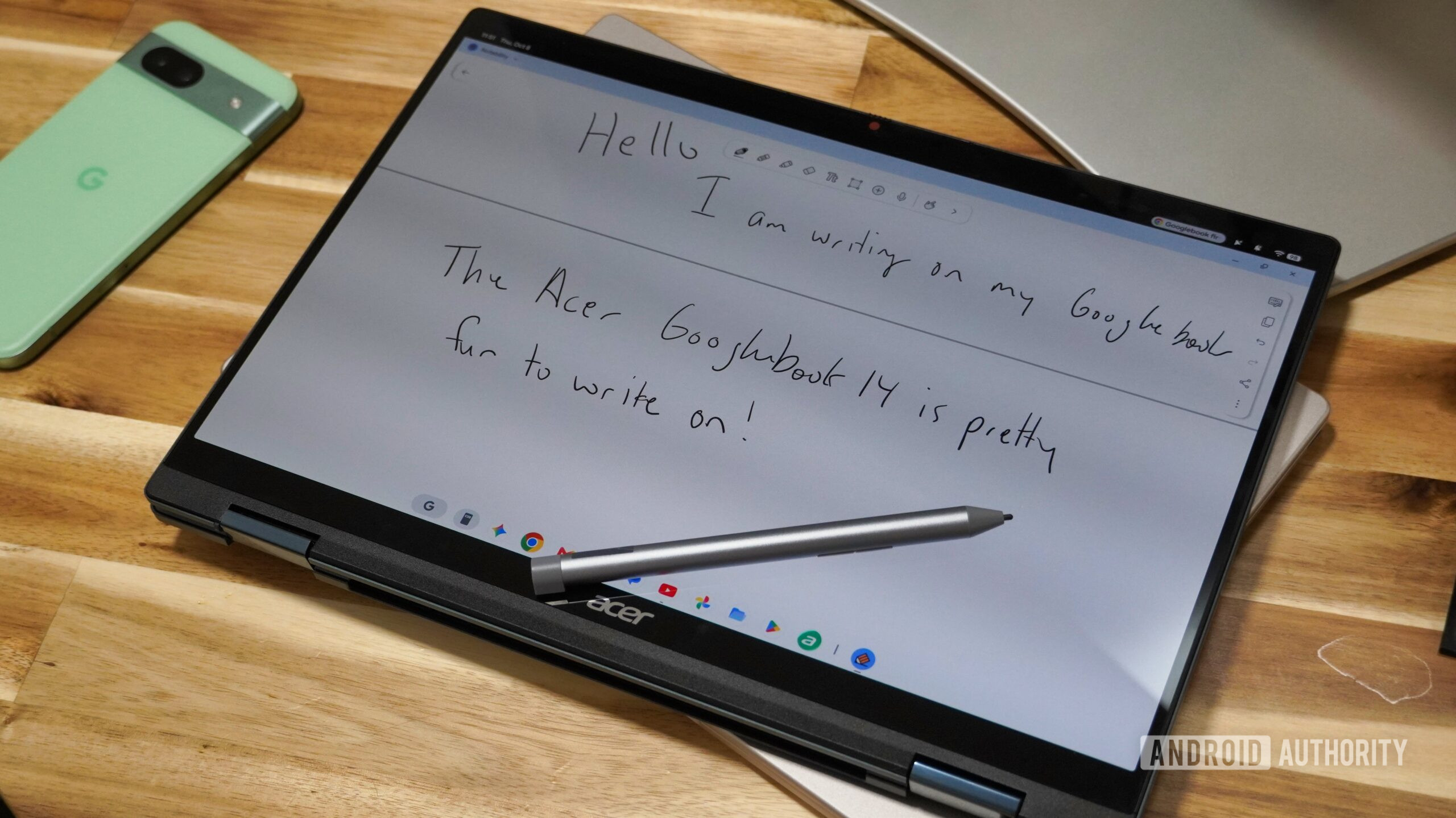
Google adds Samsung phone support to Googlebook features
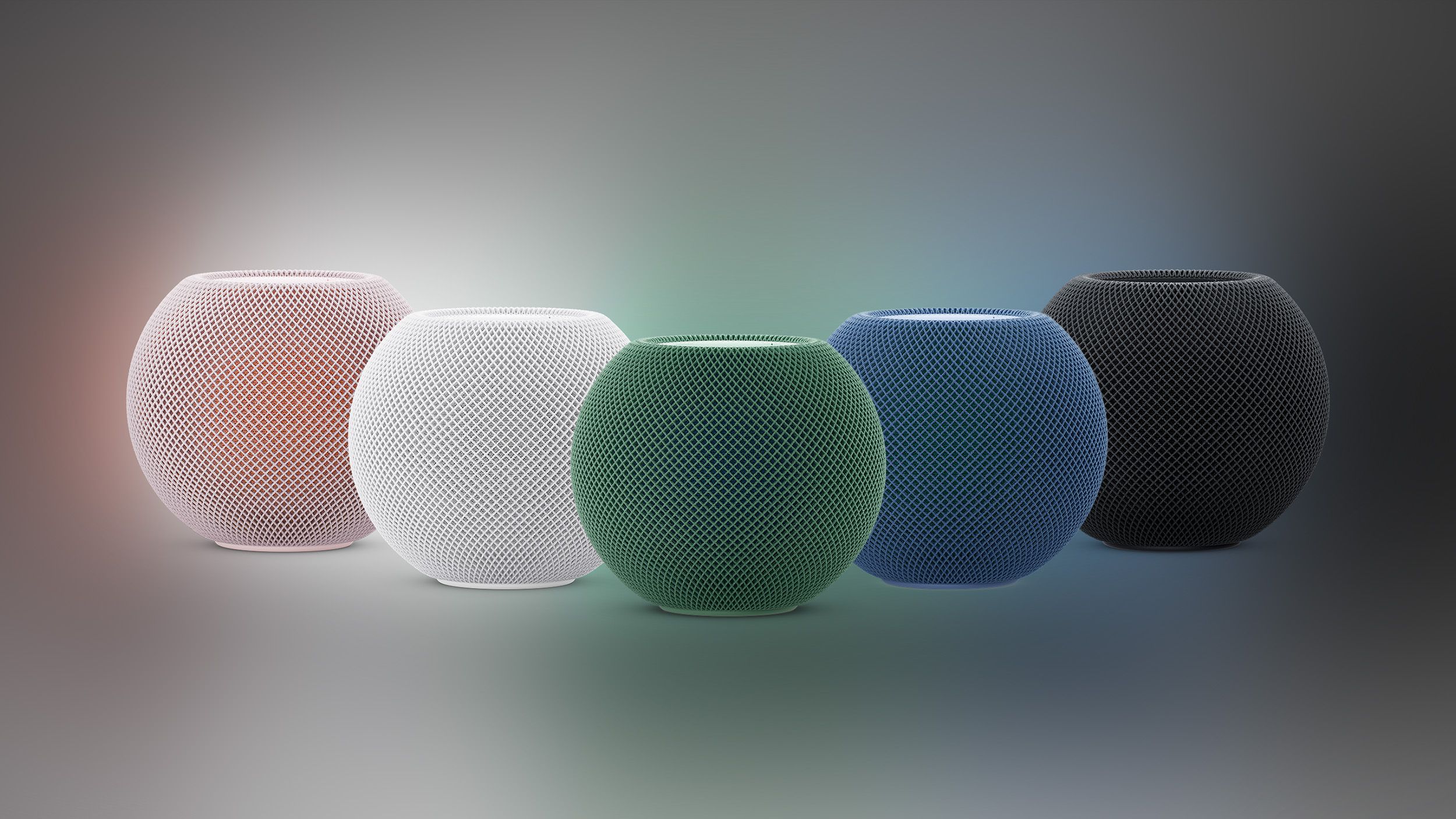
Apple may add Siri microphones and a speaker-equipped remote to Apple TV 4K
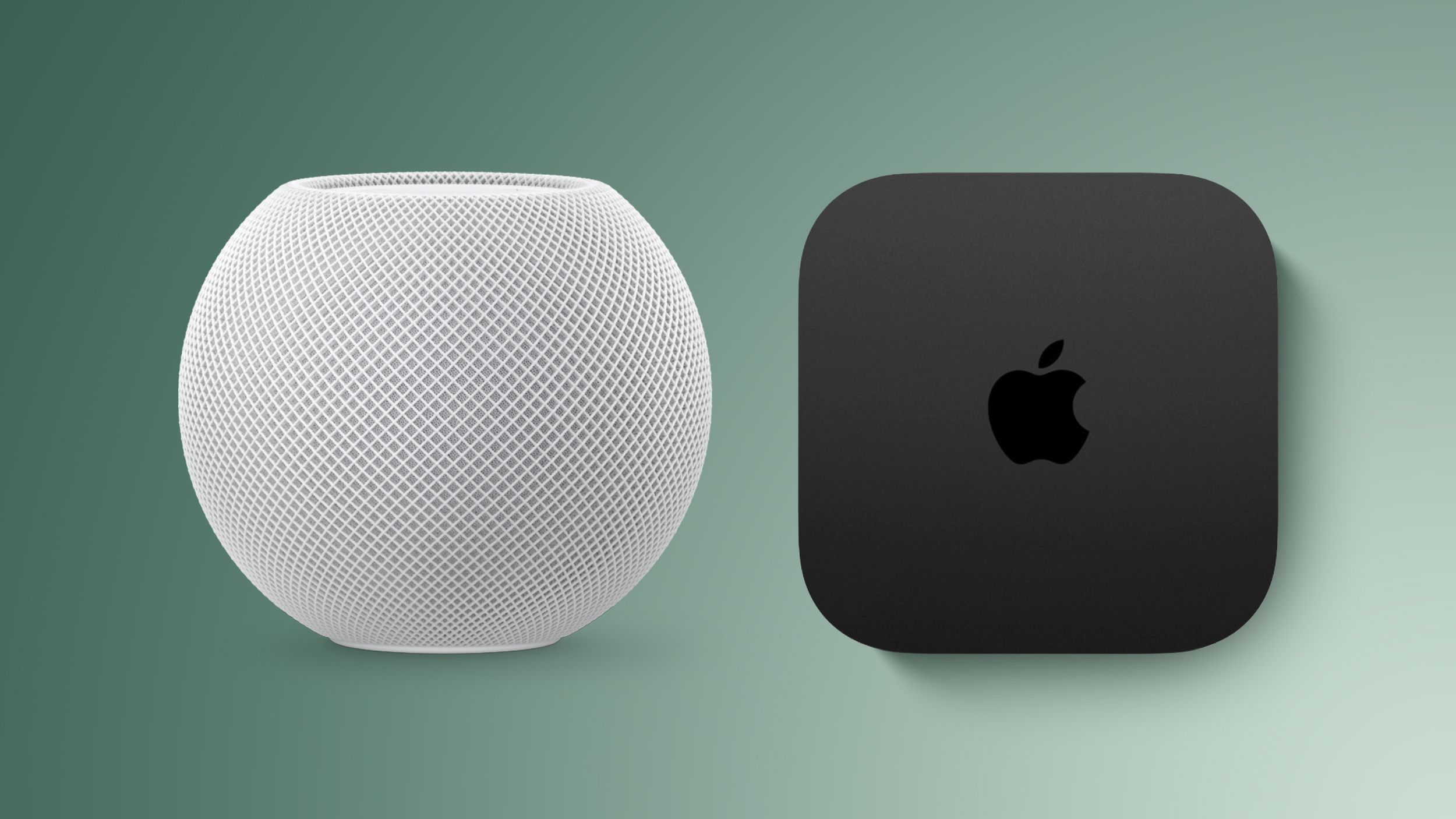
New Apple TV 4K and HomePod mini set to ship October 30

Apple confirms October 13 launch focused on smart home products
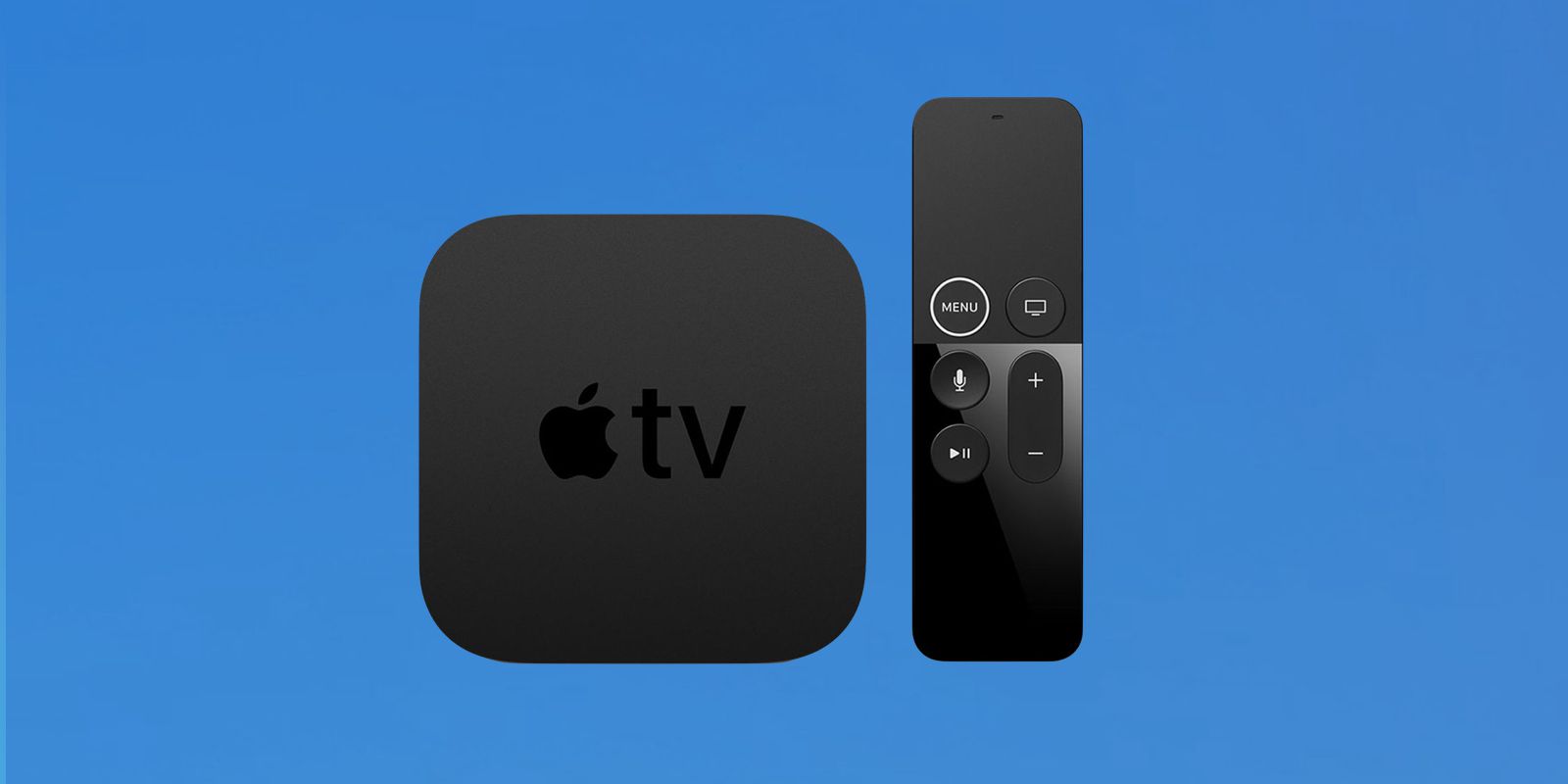
Apple classifies the 2017 Apple TV 4K as vintage

Apple reportedly plans touchscreen MacBook and iPad mini launch around October 27