Science & Tech · Big Tech & Internet · 3 hrs ago
6G transition plan remains unresolved as standards group weighs options

The group that sets mobile network standards, 3GPP, has not agreed how operators should move from 5G to 6G.
The issue was discussed at meetings in Madrid in September, and talks will continue before a further meeting in Boston in December.
The disagreement is about how the two generations of networks should work during the transition, not about the expected timing of 6G’s commercial arrival around 2030.
One leading option would let 5G and 6G share some frequency bands while 6G is introduced gradually.
Other proposals would keep 5G as the main support for communications for longer, or run separate systems for the two generations.
The decision matters because it could affect how much operators can reuse their existing 5G frequencies, equipment and infrastructure, and how costly and complex the change will be.
The operators’ alliance NGMN supports simplifying the transition and using spectrum sharing as the reference approach.
More testing of how the networks can coexist is still needed.

The 3GPP standards group has not agreed on how operators should move from 5G networks to 6G.
The decision was left open after meetings in Madrid on 14 and 15 September.
Three main transition approaches remain under discussion, with 5G and 6G spectrum sharing currently receiving the most support.
The choice could affect how much existing 5G spectrum, equipment and infrastructure operators can reuse, as well as transition costs.
The issue is due to be discussed again at a 3GPP meeting in Boston in December, while commercial 6G service is still expected around 2030.
- Who
- The 3GPP, the international body responsible for mobile-network standards. Manufacturers and operators are divided over the transition approach.
- What
- The group has not agreed on how operators should transition from 5G to 6G.
- When
- The issue was discussed at meetings on 14 and 15 September. It is due to return to discussion in December.
- Where
- The September meetings were held in Madrid; the next meeting is planned for Boston.
- Why
- The transition approach could determine how much existing 5G spectrum, equipment and infrastructure operators can reuse, and how complex and costly the move will be.
Supporters of keeping several options open
Supporters of simplifying the transition
Approach
Supporters of keeping several options open
Some manufacturers and operators want several alternatives to remain available so companies can choose what fits their networks and strategies.
Supporters of simplifying the transition
Others argue that too many alternatives could increase complexity and costs.
Spectrum sharing
Supporters of keeping several options open
Ericsson and Nokia support evolving the 5G core toward 6G, while the NGMN alliance says sharing spectrum between 5G and 6G should be the reference approach.
Supporters of simplifying the transition
Huawei backs a more disruptive architecture based on AI.
No direct quotes in the coverage so far.
3GPP working groups met in Madrid but did not agree on the migration architecture.
The issue is expected to be discussed again at a 3GPP meeting in Boston.
The industry expects 6G commercial service to arrive around this time.
- Standards body
- 3GPP
- Madrid meetings
- 14–15 September
- Next meeting
- Boston, December
- Leading transition option
- Multi-RAT Spectrum Sharing (MRSS)
- Expected commercial 6G arrival
- Around 2030
Sources
Related news
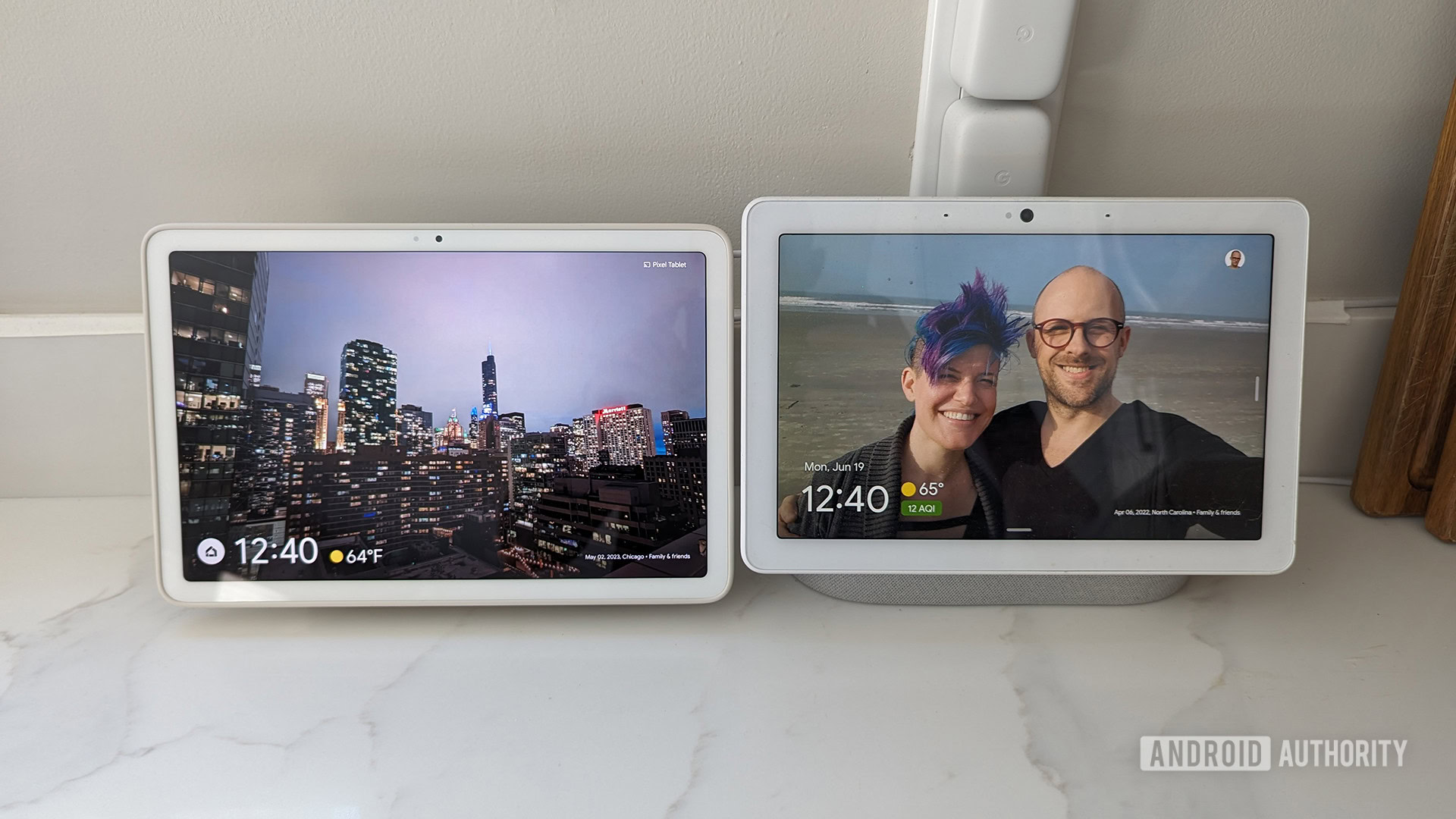
Apple may unveil smart display, HomePod mini and Apple TV 4K on October 13
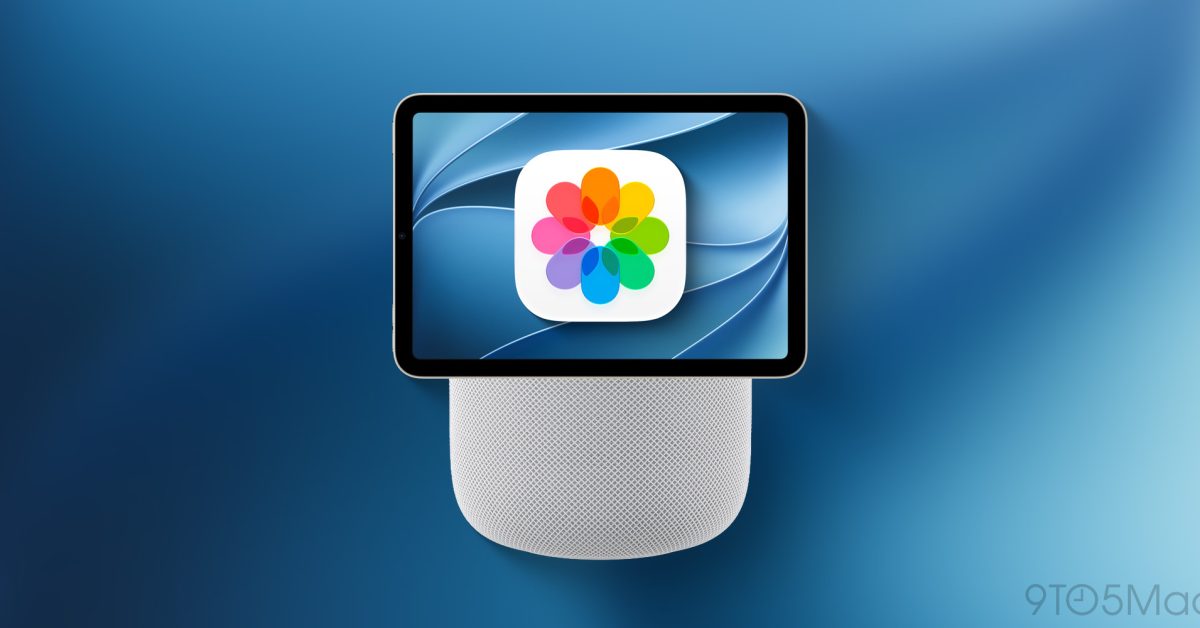
Apple reportedly plans HomeView smart home hub for November

Apple may add Siri microphones and a speaker-equipped remote to Apple TV 4K

Linux 7.3-rc7 includes extensive selftests and core fixes

Apple confirms October 13 launch focused on smart home products

Dennis Ritchie’s Unsubmitted Dissertation Still Raises Questions
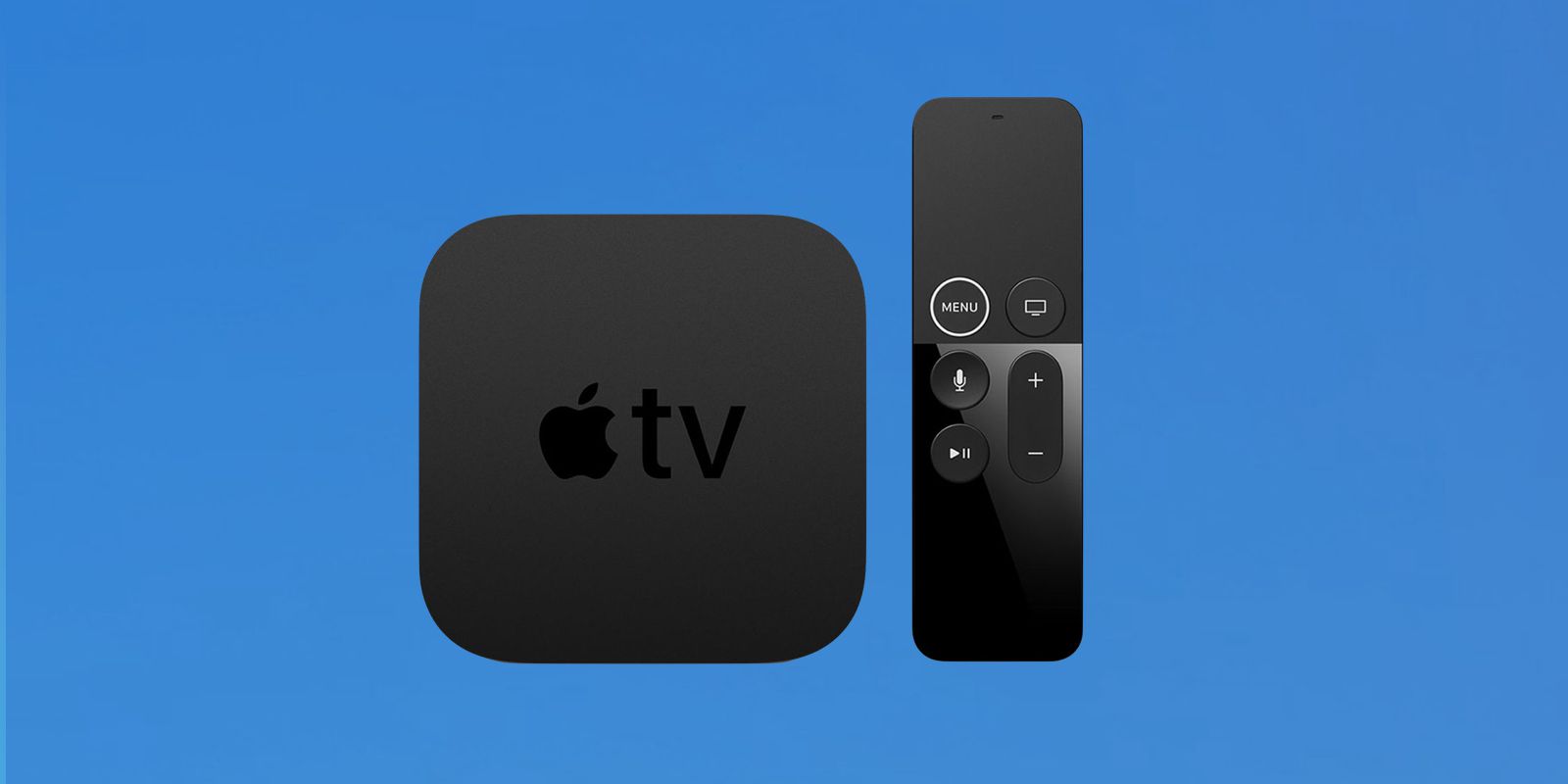
Apple classifies the 2017 Apple TV 4K as vintage

Apple reportedly plans touchscreen MacBook and iPad mini launch around October 27

Google study finds custom patches can make open-source updates harder

Apple and LG prepare smart home products to challenge Amazon and Google
Google adds Samsung phone support to Googlebook features