Science & Tech · Science & Environment · 1 day ago
Expanded model reveals overlooked hydrogen pathway in CO2 conversion

Researchers at the Indian Institute of Science in India built a computer model of reactions that convert carbon dioxide, or CO2, using hydrogen and a copper catalyst.
The process can produce methanol, which is used in fuels and manufacturing.
Earlier models covered relatively few reactions and incorrectly predicted that formic acid, rather than methanol, would be the main product.
The expanded model mapped 9,389 reactions, compared with 152 in the smaller model, and predicted about 40 times more CO2 conversion.
Its predictions more closely matched experimental results, including methanol and carbon monoxide as major products.
The model also revealed that hydrogen can sometimes transfer directly from a hydrogen molecule to intermediate compounds, rather than first splitting into individual hydrogen atoms.
The researchers say this pathway could be important for understanding the chemistry, but the study does not describe a specific next step.

Researchers at the Indian Institute of Science developed a model of carbon dioxide conversion on a copper catalyst that includes 9,389 chemical reactions.
The expanded model predicted about 40 times more carbon dioxide conversion than a model with 152 reactions.
It also identified methanol and carbon monoxide as major products, more closely matching experimental results.
The expanded network revealed that hydrogen can transfer directly from molecular hydrogen to some intermediate compounds.
The research was published in Nature Communications.
- Who
- Researchers at the Indian Institute of Science led the work with collaborators who carried out experimental validation.
- What
- They expanded a model of carbon dioxide conversion on a copper catalyst to include 9,389 reactions, revealing a previously overlooked hydrogen-transfer pathway.
- When
- The research was published on 2026-10-10.
- Where
- The research was developed at the Indian Institute of Science in India; experimental validation involved collaborators in India and Singapore.
- Why
- The researchers sought to account for reactions that smaller models may omit and improve predictions of how carbon dioxide converts into useful chemicals.
This story does not have two clearly opposing sides.
When we modeled the process using the 152 reactions considered initially, the network wrongly predicted formic acid, not methanol, as the major product, and underestimated how much CO2 gets converted. Only when we expanded the network to include thousands of additional, previously overlooked reactions did the predictions fall in line with what we and others see experimentally.
The idea that hydrogen can transfer as an intact molecule, without first splitting into atoms, runs against what most of us were taught.
We began with a worry familiar to anyone who does mechanistic modeling: How do you know that your reaction network has not omitted the one step that matters?
A network of 152 reactions predicted formic acid as the main product and underestimated carbon dioxide conversion.
Researchers used automated tools and machine learning to grow the network to 9,389 elementary reactions.
Collaborators tested the expanded model's predictions against experimental results.
The research was published in Nature Communications.
- Expanded reaction network
- 9,389 elementary reactions
- Initial reaction network
- 152 reactions
- Predicted conversion
- Approximately 40 times more carbon dioxide conversion than the smaller model
- Major products
- Methanol and carbon monoxide
- Catalyst
- Copper
- Publication
- Nature Communications
Sources
Related news
Researchers map hair-like sensory cells across squid bodies

Bellbird and Seriema Among the Loudest Birds Measured

Survey finds only 83 mature cheetahs across a vast area of South Africa

British Columbia rogue wave was nearly three times taller than nearby waves
Detached sea cucumber tissue remained active for more than three years

New book examines the survival skills of 75 fierce forms of nature
Air pollution reaches ‘very poor’ levels in towns near Manaus
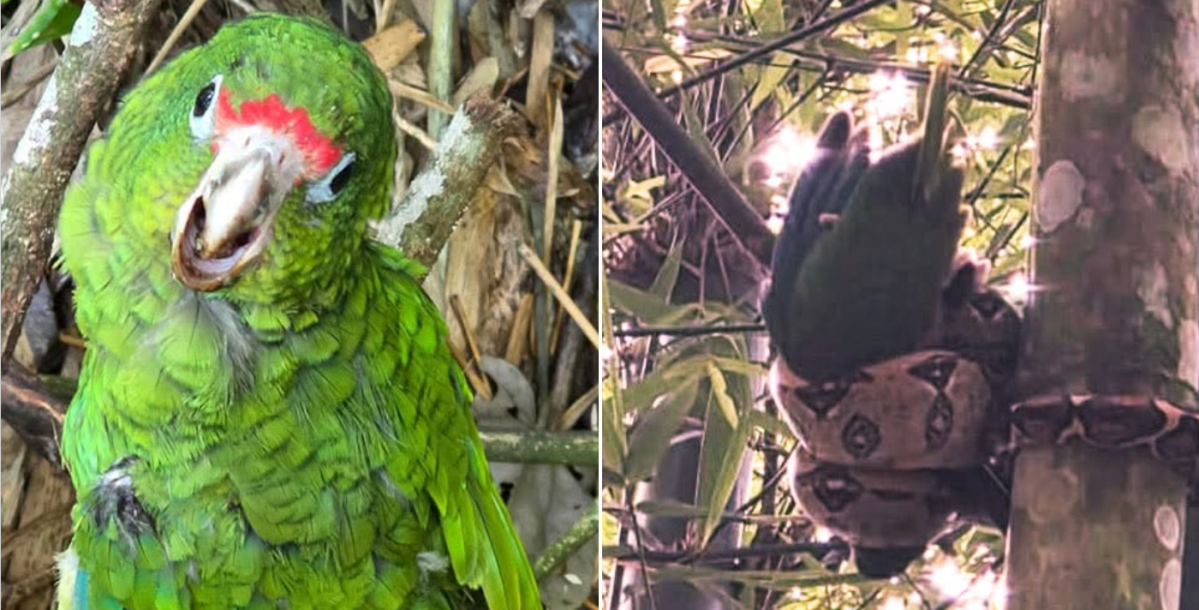
Young Puerto Rican parrot rescued from invasive boa
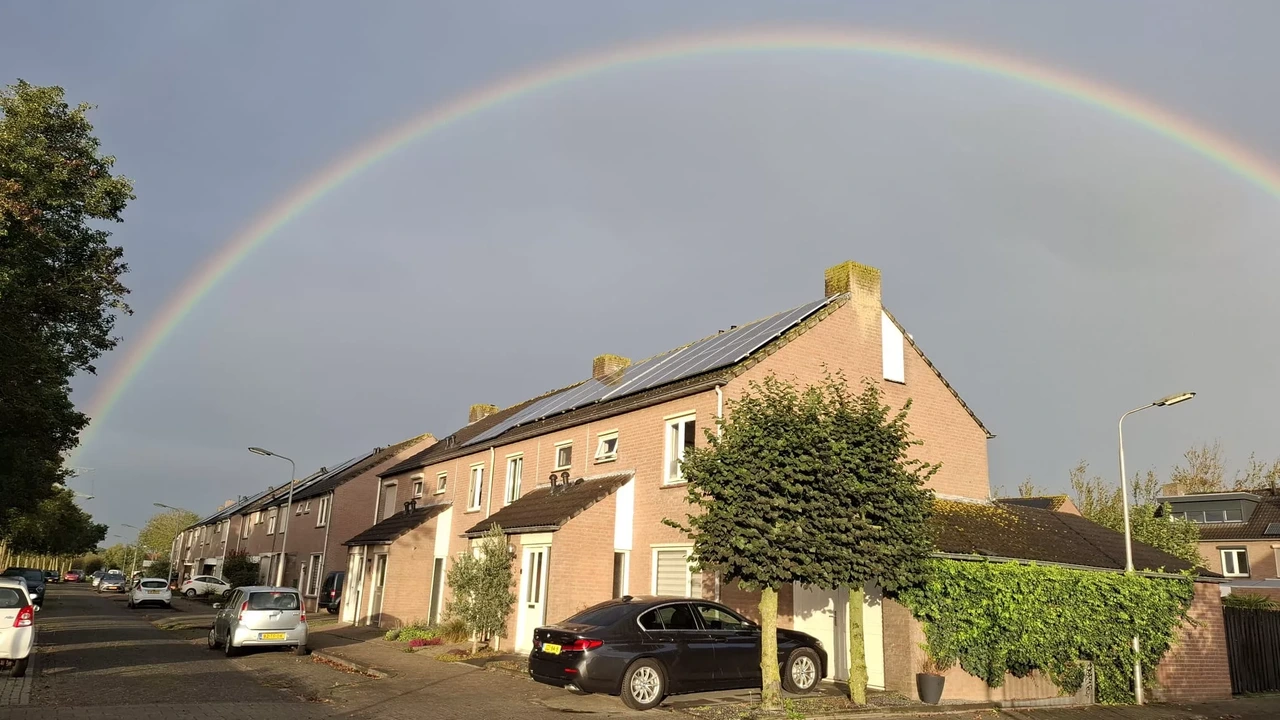
Warm, mostly sunny weather forecast across the Netherlands this week

Researchers confirm a new giant waterlily species in Colombia
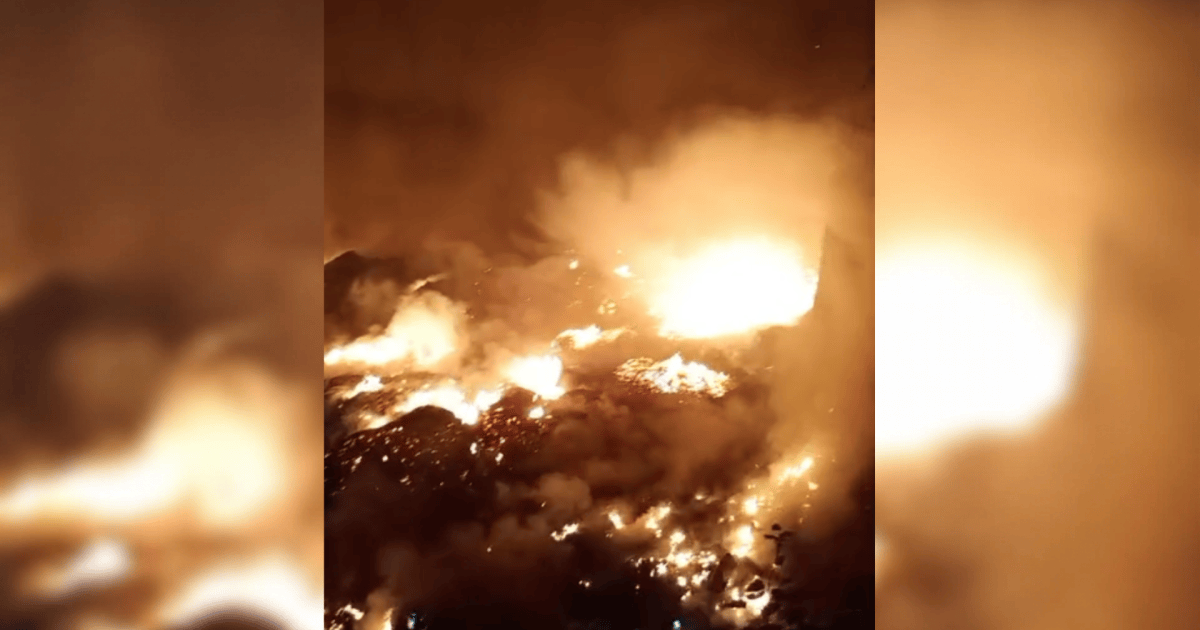
Amazonas fires rise 271% in the first 10 days of October