Health · Fitness & Nutrition · 1 day ago
Experts share practical advice for new trail runners

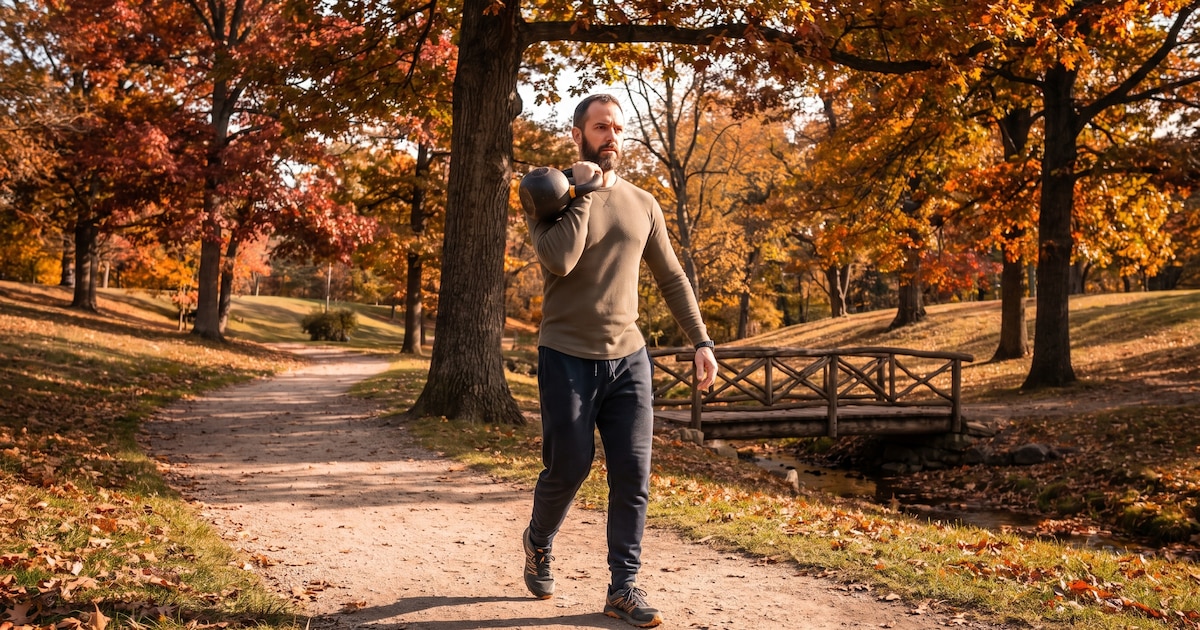
Trail running is growing in popularity, with more than a million additional people taking it up last year compared with the year before.
The story draws on advice from coaches and experienced runners, including Swiss trail runner Rémi Bonnet and ultrarunner Michael Wardian.
Runners should expect to move at least a minute or two per mile slower on trails than on roads, and avoid trying to match their usual road speed.
Walking steep hills can be more efficient than running them, while quick, careful steps can help on rough ground and descents.
Looking ahead for a safe route through the terrain can help runners choose where to place their feet.
Hills build strength, but downhill running can put heavy loads on the legs and raise the risk of injury.
The advice is to build trail skills gradually by spending time on trails and taking it slow.

Trail running has grown, with more than a million additional people taking it up last year than the year before.
Experts advise new trail runners to expect slower paces than on roads and to focus on effort rather than speed.
Runners are encouraged to adjust their cadence, look ahead for safe routes through terrain and walk steep climbs when needed.
The article says uphill training can build strength, while downhill running carries injury risks.
- Who
- New trail runners and the coaches and athletes offering advice.
- What
- Experts share practical guidance on pace, cadence, terrain and hill training.
- When
- The article was published on October 10, 2026.
- Where
- Trails; the article also mentions treadmill and stair-climber alternatives for uphill training.
- Why
- Trail running is attracting more people, and the article aims to help them adapt to its demands.
This story does not have two clearly opposing sides.
It really bugged me how much slower my paces were [on the trail]
I think the biggest waste of training time is trying to maintain the same speed on trails as you do on the roads, and pushing on trails in parts of the trail that are just not as fast
It’s not that I like winning races or breaking records. What makes me happy is that I like mountains.
To really work all the little stabilizer muscles that you’re specifically going to need for trail running, it’s really hard to beat hours out on those trails using those muscles
More than a million additional people were trail running than the year before.
Michael Wardian undertook a 2,600-mile Pacific Crest Trail adventure run.
Men's Health published the article.
- Trail-running growth
- More than a million additional people last year than the year before
- Trail pace
- At least one or two minutes slower than road pace
- Treadmill incline
- Olson uses grades of 25 or 30 percent
- Downhill decline
- A modest decline is 9 percent
- Pacific Crest Trail
- Michael Wardian’s adventure run covered 2,600 miles
Sources
Related news

Study links fitness apps with shame and frustration for some users

Planning and portioning freezer foods can make healthy meals quicker

Screen use and poor posture can put added strain on the neck

How prebiotics, probiotics and postbiotics differ
Five simple exercises aim to support strength and balance after 50

Hip tightness is not uniquely linked to stress or past trauma

Japan study warns children’s screen time may increase prolonged sitting

63-Year-Old Says Month of Daily Dead Hangs Improved Mobility and Strength
Dwayne Johnson uses a rice, blueberry and protein shake after training

Keeping sweet potato skin adds fiber and other nutrients

More than 500 cyclists join Hyderabad arthritis awareness ride