

Business · Economy · 12 hrs ago
French borrowing costs reach their highest level since 2002
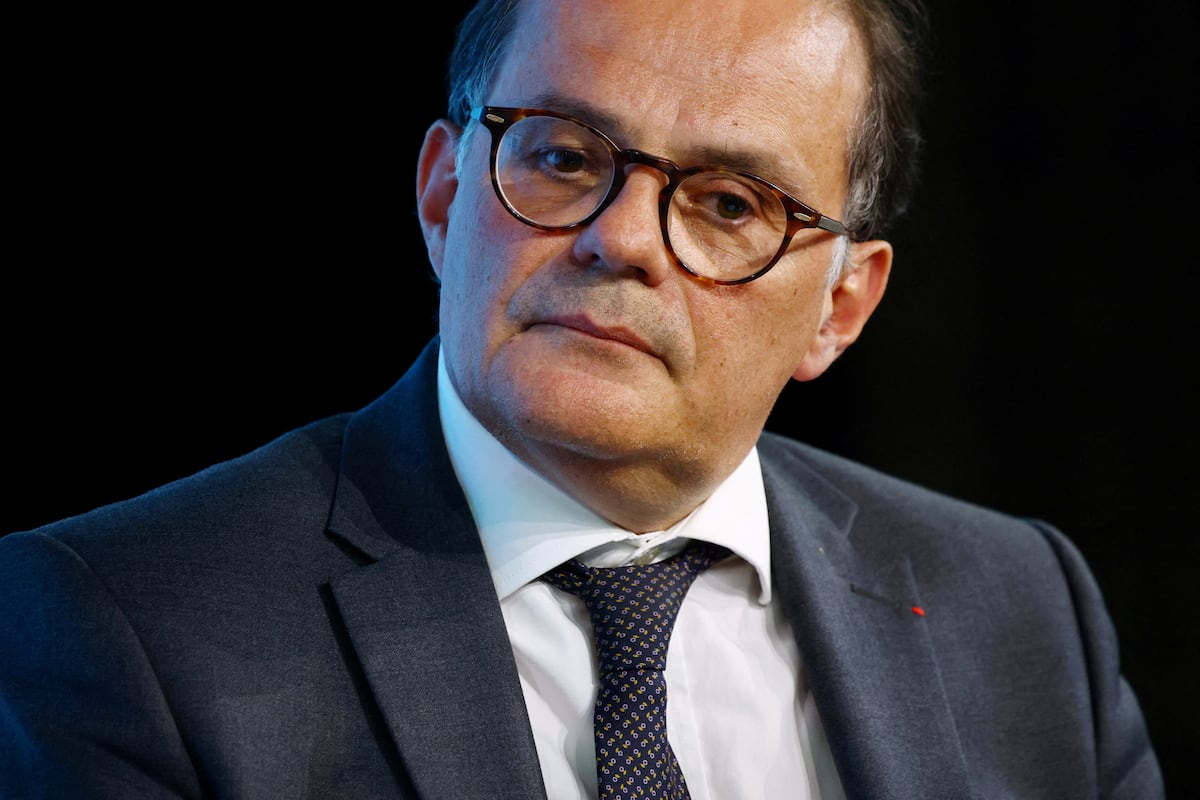
France’s borrowing costs have risen as investors sell government bonds and worry about political risks.
The yield on its 10-year government bond touched 4.99%, its highest level since 2002, though it has not passed 5%.
The gap between French and German 10-year borrowing costs has widened to about 150 basis points.
Analysts say weak revenue growth, energy inflation, high interest rates and limited budget room leave France with little protection against further shocks.
Pressure on government debt could also affect French banks, which hold some of that debt, although their exposure is described as contained.
Bank of France Governor Emmanuel Moulin said the government can respond by approving a budget and committing to keep the deficit below 5%, and said France should not look to the European Central Bank for a solution.

France’s 10-year government bond yield reached 4.99%, its highest level since 2002.
The yield remained below 5%, while the gap between French and German government bond yields rose to about 150 basis points.
Investment firms warned that political risks and rising borrowing costs were adding pressure to France’s finances.
The Bank of France governor said the fiscal situation was very complex but argued that France should address it at home rather than seek European Central Bank intervention.
Analysts warned that financial and economic strains could leave France with little room to absorb further shocks.
- Who
- The French government and investors in French government bonds. Investment firms and the Bank of France governor also assessed the risks.
- What
- France’s 10-year government bond yield reached 4.99%, its highest level since 2002.
- When
- The article was published on 11 October 2026 and says the yield reached this level during the present week.
- Where
- France.
- Why
- Political uncertainty, bond selling and concerns about France’s fiscal position are adding pressure to borrowing costs.
French government and Bank of France governor
Investment firms and analysts
Response to borrowing-cost pressure
French government and Bank of France governor
Governor Emmanuel Moulin said the government could act by approving a budget and committing to keep the deficit below 5%.
Investment firms and analysts
Analysts cited a combination of fiscal, economic and political pressures and warned that France had limited room to respond.
Role of the European Central Bank
French government and Bank of France governor
Moulin said France should not seek solutions from the European Central Bank.
Investment firms and analysts
The investment firms’ assessments described domestic risks but did not call for or oppose ECB intervention.
The technical picture does not lead us to believe that we have reached a peak yet.
France should not look for solutions in Frankfurt; the solutions are at home.
without a safety net
commitments made during elections and their subsequent execution do not always …
A widespread sell-off of French government bonds added to pressure on the country’s borrowing costs.
Cinco Días reported that the 10-year bond yield had reached 4.99%, its highest level since 2002.
- 10-year French government bond yield
- 4.99%
- Previous yield peak
- Highest level since 2002
- Threshold
- The yield had not crossed 5%
- French-German yield spread
- About 150 basis points
- French deficit commitment cited by Moulin
- Below 5%
Sources
Related news

Stellantis presents nine concept cars at the Paris Motor Show

France’s Bond Crisis Raises Concern for the Euro Zone Ahead of April Election

French debt and political deadlock raise fears of a wider European crisis

Citroën unveils electric 2CV concept ahead of planned production

Citroen unveils electric 2CV concept, with a showroom version planned by 2028

Macron backs European preference for cars amid competition from China

Dunkirk’s Port Center explains the work and history of its busy port

French inspectors warn of risks in microentrepreneur status
France to release 10 million oil barrels, with pump price cuts expected in November
BMW-Mini and Porsche among major brands absent from Paris auto show

French retirees are better protected than German retirees, but at a higher cost
