Science & Tech · Science & Environment · 2 days ago
Australian seals and sea lions tested to establish hearing baseline
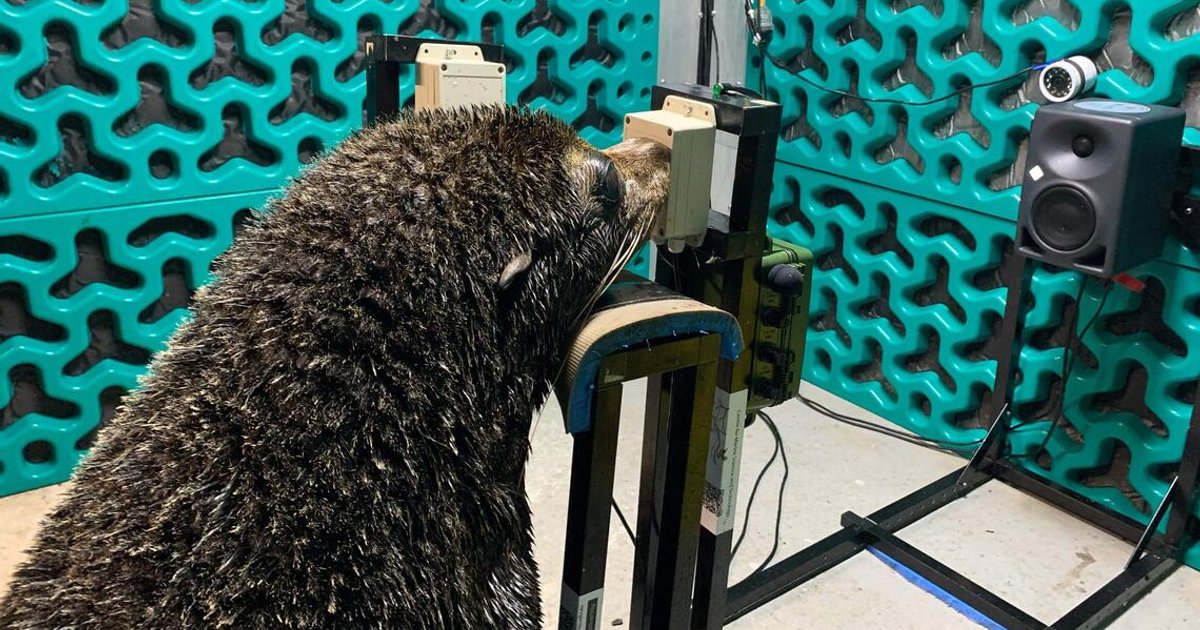
Scientists tested the hearing of two sea lions and two fur seals at Taronga Zoo in Sydney, Australia.
The animals learned to press a paddle when they heard a tone and received fish for correct responses.
The study found they were most sensitive to sounds around 3.2 kilohertz.
Knowing what sounds the animals can hear gives researchers a starting point for studying the effects of noise from ships, boats, aircraft and coastal construction.
This matters especially for the endangered Australian sea lion, whose population is estimated at about 12,000.
The animals rely on hearing to communicate, find food, navigate and detect danger.
The findings could help guide environmental assessments and noise controls as maritime and coastal industries expand.
Researchers plan to study how underwater noise affects the animals’ hearing and behaviour.

Researchers trained two sea lions and two fur seals in Australia to press a paddle when they heard a tone, with fish as a reward.
The peer-reviewed study found the animals were most sensitive to sounds around 3.2 kilohertz.
The results establish a baseline for studying how noise from ships, boats, aircraft and coastal construction may affect the animals.
Researchers said the findings could inform environmental assessments and noise management as maritime and coastal industries expand.
The work is particularly relevant to the endangered Australian sea lion, whose population is estimated at about 12,000.
- Who
- Australian researchers tested two sea lions and two fur seals. Lead researcher Christine Erbe is from Curtin University.
- What
- The animals learned to press a paddle when they heard a tone. The tests established a baseline for studying the effects of human-made noise.
- When
- The study was reported on 9 October 2026. Erbe made comments on 8 October.
- Where
- The tests were conducted at Sydney’s Taronga Zoo, Australia.
- Why
- Researchers wanted to establish which sounds the animals can hear before assessing how noise affects them.
This story does not have two clearly opposing sides.
Before we can understand whether a noise is affecting an animal, we need to know whether it can hear that noise in the first place,
These hearing tests give us that baseline and allow us to start asking how noises from ships, boats, aircraft and coastal construction might affect seals and sea lions.
The findings could help inform environmental impact assessments and noise management as shipping, coastal development and offshore industries expand,
We now know what these animals can hear in air. The next step is to understand how noise affects them underwater, and when it begins to interfere with their behaviour or hearing.
Lead researcher Christine Erbe said the hearing tests provide a baseline for studying noise effects.
The study was reported, finding the animals were most sensitive to sounds around 3.2 kilohertz.
- Animals tested
- Two sea lions and two fur seals
- Test location
- Taronga Zoo, Sydney
- Most sensitive sound range
- Around 3.2 kilohertz
- Australian sea lion population
- Estimated at about 12,000
- Next research step
- Investigate how underwater noise affects hearing and behaviour
Sources
Related news
Researchers map hair-like sensory cells across squid bodies
Bellbird and Seriema Among the Loudest Birds Measured
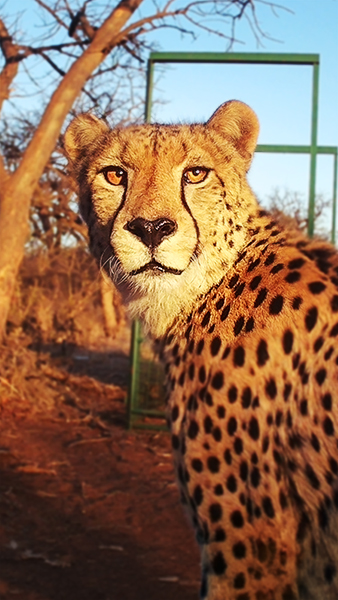
Survey finds only 83 mature cheetahs across a vast area of South Africa

British Columbia rogue wave was nearly three times taller than nearby waves
Detached sea cucumber tissue remained active for more than three years
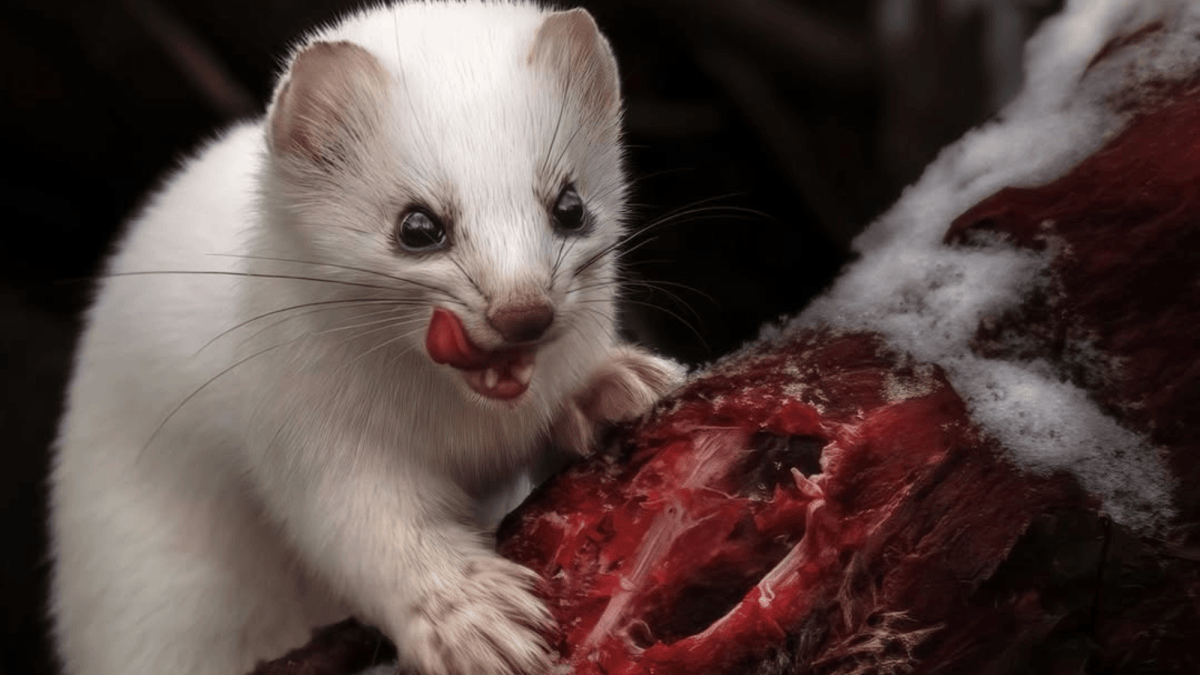
New book examines the survival skills of 75 fierce forms of nature

Air pollution reaches ‘very poor’ levels in towns near Manaus
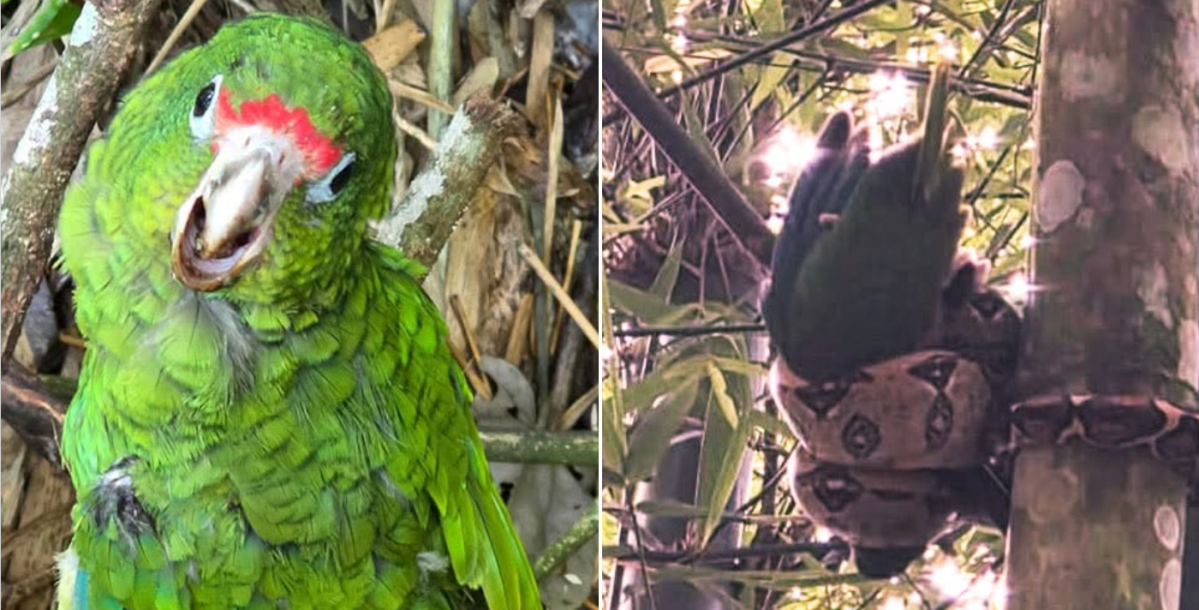
Young Puerto Rican parrot rescued from invasive boa
Warm, mostly sunny weather forecast across the Netherlands this week

Researchers confirm a new giant waterlily species in Colombia

Amazonas fires rise 271% in the first 10 days of October