Science & Tech · Science & Environment · 6 hrs ago
Energy importers are expanding clean power three times faster than exporters
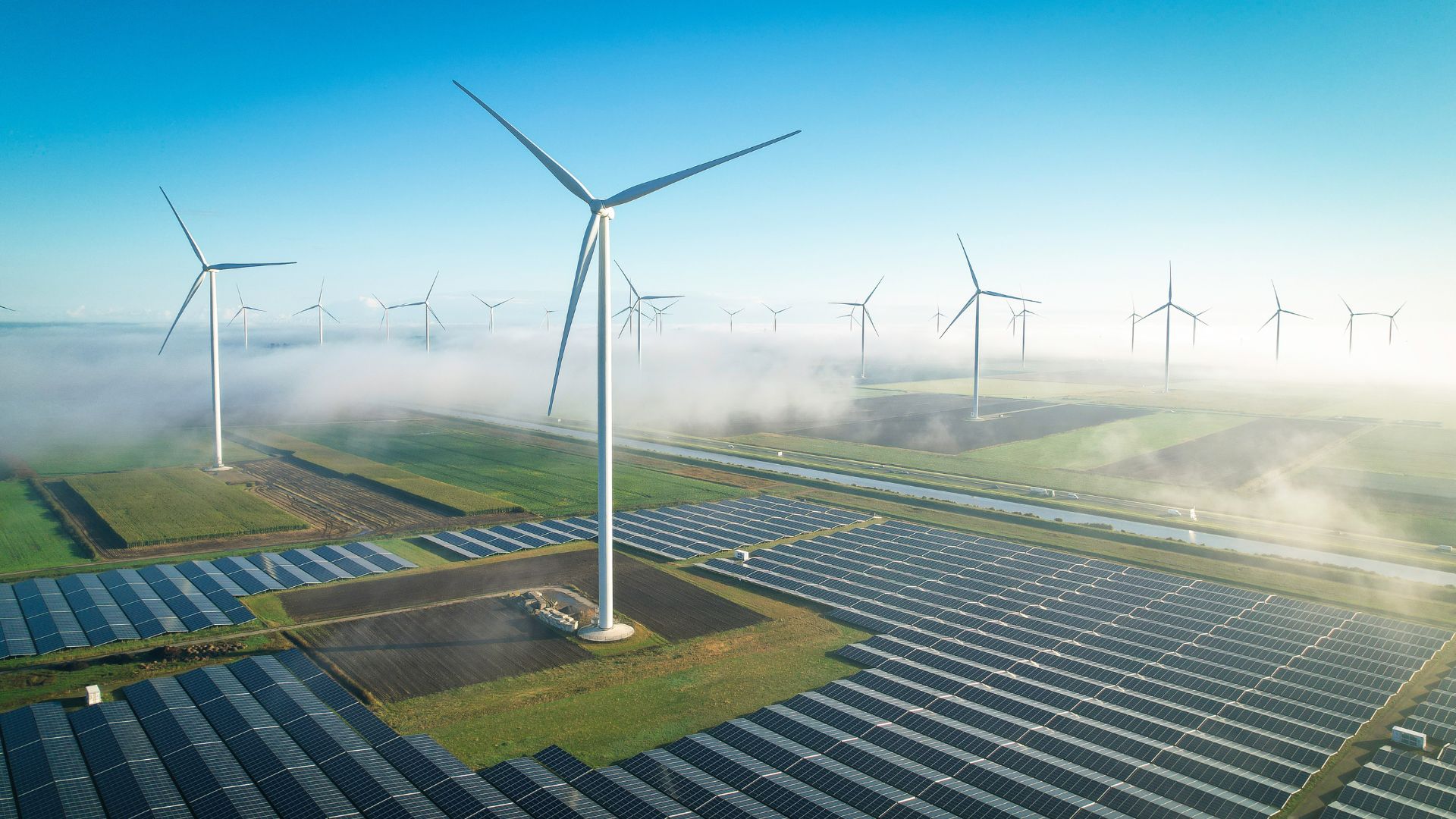
Countries that import energy are increasing the share of clean sources in their energy mix faster than countries that export it.
Over the past five years, the non-fossil share rose by 2.2 percentage points in importing regions and 0.7 points in exporting regions.
China, India and Europe are among the importing regions, while the comparison includes the Middle East, North America and Russia.
Disruption to supplies through the Strait of Hormuz has added to importers’ reasons to rely less on oil and gas from abroad.
Exporting countries outside the Middle East are increasing production to make up for disrupted supply, while their shift away from fossil fuels is slower.
The forecast also sees the Middle East supplying about 40% of global oil production in 2050, down from 50% in the previous outlook.
DNV’s scenario analysis says a conflict lasting until 2030 could leave global oil and gas demand below its main forecast even after the conflict ends.
The report says solar, onshore wind and batteries are gaining ground, while wider use of hydrogen and carbon capture will need stronger policy support.

Energy-importing regions are increasing the share of non-fossil energy in their primary energy mix more than three times as fast as exporting regions, according to DNV.
Over the past five years, that share rose by 2.2 percentage points in importing regions and 0.7 points in exporting regions.
DNV says disruption to supply through the Strait of Hormuz is strengthening importers’ incentives to diversify energy supplies and reduce reliance on imported oil and gas.
Exporting countries outside the Middle East are increasing production to compensate for disrupted supplies, while their decarbonization is slowing relative to the rest of the world.
DNV’s forecast puts the Middle East’s share of global oil production at around 40% in 2050, down from 50% in its previous outlook.
- Who
- Energy-importing and energy-exporting regions, as compared in DNV’s Energy Transition Outlook.
- What
- Importing regions are increasing non-fossil energy’s share of their primary energy mix more than three times as fast as exporting regions.
- When
- Over the past five years. DNV’s report was published on October 11, 2026.
- Where
- Importing regions include China, India and Europe; exporting regions include the Middle East, North America and Russia.
- Why
- Disruption to energy supply through the Strait of Hormuz is encouraging importers to diversify and reduce reliance on imported oil and gas.
Energy-importing regions
Energy-exporting regions
Energy transition pace
Energy-importing regions
Their non-fossil energy share in the primary energy mix rose by 2.2 percentage points over the past five years.
Energy-exporting regions
Their non-fossil energy share rose by 0.7 percentage points over the past five years.
Response to supply disruption
Energy-importing regions
They are accelerating electrification, renewables and storage to reduce exposure to insecure fossil-fuel markets.
Energy-exporting regions
Exporters outside the Middle East are increasing production to compensate for disrupted supplies, while their decarbonization is slowing relative to the rest of the world.
Energy security is redrawing the map of the energy transition
Importing regions are accelerating electrification, renewables and storage to reduce their exposure to the most insecure fossil-fuel markets.
The non-fossil share of the primary energy mix rose by 2.2 percentage points in importing regions and 0.7 points in exporting regions.
Interesting Engineering published its report on DNV’s Energy Transition Outlook findings.
DNV forecasts that the Middle East will supply around 40% of global oil production.
- Importing regions
- Non-fossil energy share rose 2.2 percentage points over the past five years
- Exporting regions
- Non-fossil energy share rose 0.7 percentage points over the past five years
- Importing regions named
- China, India and Europe
- Exporting regions named
- The Middle East, North America and Russia
- Middle East oil forecast
- Around 40% of global production in 2050, compared with 50% in last year’s outlook
Sources
Related news

Turkish students win record 78 medals at international science olympiads

Three-volume series on weather support for China’s low-altitude economy published

Hurricane Simon and other weather systems bring heavy rain to Mexico
Heavy rain and flash-flood risk forecast across parts of Saudi Arabia
Hunan launches AI platform for hybrid rice breeding
China’s first five national parks score highly on ecological benefits

El Niño sets Pacific temperature record as event intensifies
CCCC design for deep-sea survey ship passes expert review
September was the world’s second-warmest on record

Brisbane faces a chance of rain and thunderstorms after warmer weather
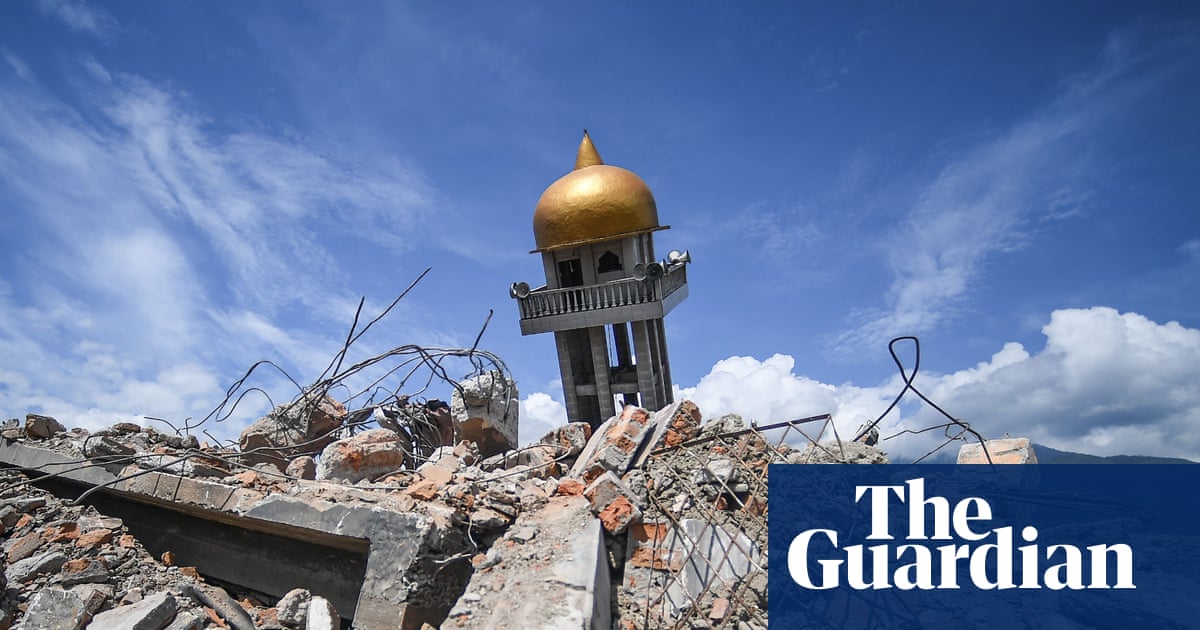
Indonesia tests mosque loudspeakers as earthquake warning alarms