Health · Medical Research · 6 hrs ago
Review highlights Piezo channels as possible targets for orthodontic care
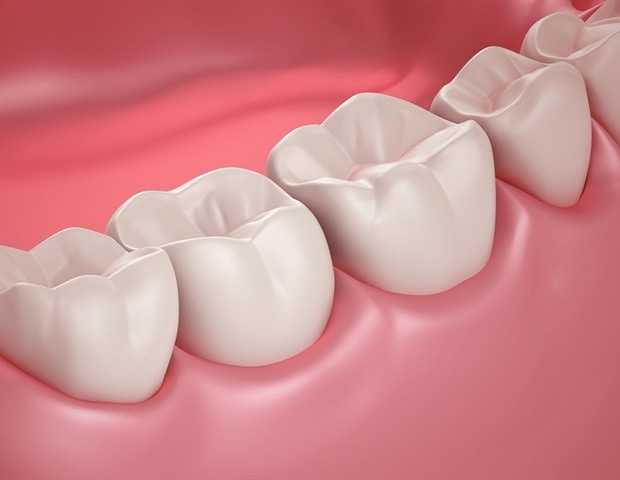
A review examines how Piezo1 and Piezo2 help cells detect physical forces in the face, teeth and surrounding tissues.
These channels turn pressure into signals that can affect bone, inflammation and other cell activity.
During orthodontic treatment, pressure on teeth prompts bone to be formed and broken down so the teeth can move.
The review says Piezo channels help regulate this process, and Piezo2 may also help nerves communicate with the bone around teeth.
Too much pressure or abnormal Piezo activity is linked to tooth-root damage and may contribute to pain.
Piezo channels are also linked to conditions including gum disease and arthritis in the jaw joint.
Researchers may eventually develop treatments that adjust channel activity, but the review describes these as possible future approaches.

A review highlights Piezo1 and Piezo2 channels as possible targets for more precise orthodontic care.
The channels help cells detect mechanical forces and convert them into signals that affect tooth movement and oral health.
The review says Piezo activity may influence bone remodelling, inflammation and pain during orthodontic treatment.
Abnormal Piezo activity and excessive mechanical loading are linked with root resorption and may contribute to orthodontic pain.
The review also discusses possible links to temporomandibular joint osteoarthritis and periodontitis.
- Who
- Researchers who authored the review; the article names Nie, J., et al.
- What
- A review examines Piezo channels as possible targets for orthodontic care and related conditions.
- When
- News-Medical published its report on 2026-10-12.
- Where
- The review was published in Genes & Diseases.
- Why
- Piezo channels help cells detect mechanical forces and regulate processes involved in tooth movement, bone remodelling and inflammation.
This story does not have two clearly opposing sides.
This story does not have a timeline yet.
- Channels studied
- Piezo1 and Piezo2
- Journal
- Genes & Diseases
- DOI
- 10.1016/j.gendis.2026.102123
- Publication date
- 2026-10-12
Sources
Related news

Pope Leo to have surgery to remove an early-detected lung nodule

Pope Leo XIV to have surgery to remove early-stage lung nodule

Favorite music linked to lower pain during needle procedures
‘Double diabetes’ combines type 1 diabetes with insulin resistance

Study finds existing food preferences can hinder learning new food values
Deworming Drug Slows Growth of Drug-Resistant Lung Cancer in Mice

Woman gives birth after ovarian tissue frozen for more than 20 years
Higher Weight at Dementia Diagnosis Linked to Lower Risk of Death

Four-week study tracks nighttime movement in dogs and their owners

Nearly One-Third of Older Adults With Cognitive Disorders Still Take Risky Drugs

Pregnancy diet linked to lower odds of babies having both colic and eczema