Science & Tech · Science & Environment · 14 hrs ago
BioPykrete Makes Ice 10 Times Stronger in Small-Scale Tests
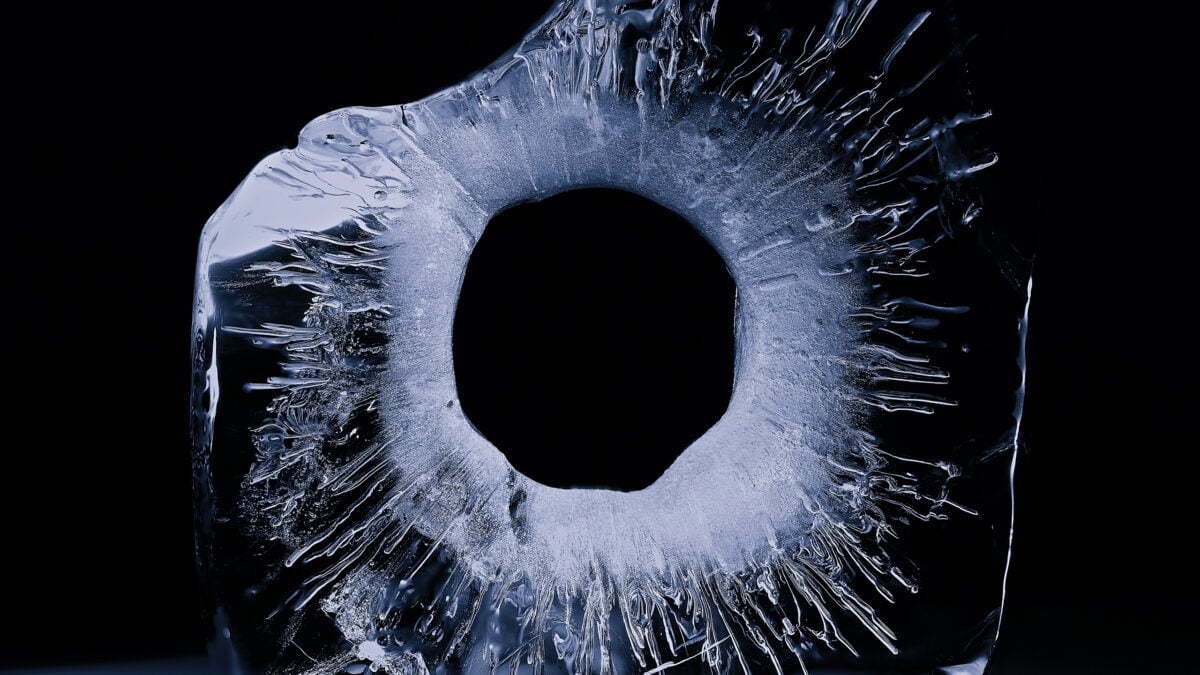
Researchers led by a team at the Hebrew University of Jerusalem in Israel have created BioPykrete, a stronger form of ice.
They added tiny crystals made from plant cellulose and a specially designed protein that helps bind the crystals to the ice.
In tests, the material was 10 times stronger than regular ice and absorbed 70 times more energy before breaking.
The work builds on Pykrete, a World War II-era idea to reinforce ice with wood pulp, though a proposed aircraft carrier made from it was abandoned.
The researchers hope BioPykrete could eventually help build structures in remote, cold places such as the Arctic and Antarctic.
Using ice and plant material could reduce reliance on concrete and steel, but the material is still at an early stage.
Further research is needed to test how it holds up over time and in changing conditions, and to understand how cracks spread through it.

Researchers led by a Hebrew University of Jerusalem team developed BioPykrete, a material made by adding plant-based crystals and a bespoke protein to ice.
In small-scale tests, it was 10 times stronger than regular ice and absorbed 70 times more energy before breaking.
The researchers hope it could eventually be used for construction in remote, cold regions.
The study is a proof of concept, and further research is needed to test the material’s durability and performance under changing conditions.
- Who
- Researchers led by a team from the Hebrew University of Jerusalem developed BioPykrete.
- What
- They created a reinforced ice composite that was 10 times stronger than regular ice in small-scale tests.
- When
- The study was reported on October 11, 2026; the date of the tests is not stated.
- Where
- The research was led by a team from the Hebrew University of Jerusalem in Israel.
- Why
- The researchers hope the material could support construction in remote, cold areas where conventional building methods are difficult to apply.
This story does not have two clearly opposing sides.
We wanted to go beyond simply mixing fibers into ice and instead control how the different materials connect at the molecular level
The result changes not only how strong the ice is, but also how it breaks. Instead of suddenly shattering, it can absorb much more energy and deform gradually.
Biotechnology offers a transformative pathway to mitigate this impact by developing novel, sustainable biomaterials.
The British Royal Navy experimented with using ice reinforced with wood pulp to build an aircraft carrier.
The aircraft-carrier project was abandoned as costs rose and better options became available.
ScienceAlert reported on the BioPykrete research and its small-scale proof-of-concept tests.
- Strength
- 10 times stronger than regular ice in small-scale tests
- Energy absorption
- 70 times more energy absorbed before breaking than regular ice
- Cellulose ingredient
- Cellulose nanocrystals
- Protein
- CBM3a-AFPIII, combining an antifreeze protein and a carbohydrate-binding module
- Study journal
- Colloids and Surfaces B: Biointerfaces
Sources
Related news
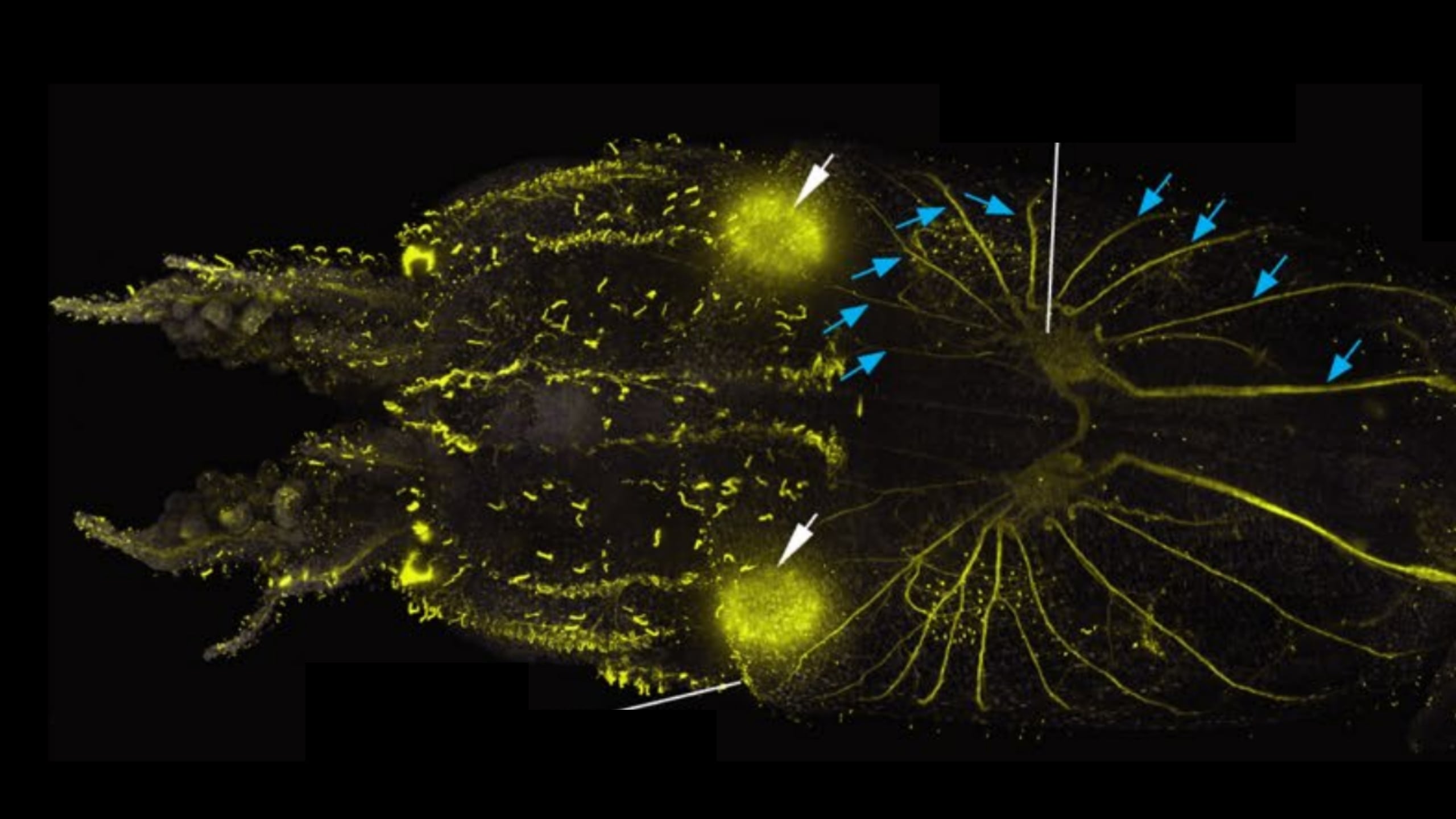
Researchers map hair-like sensory cells across squid bodies

Bellbird and Seriema Among the Loudest Birds Measured

Survey finds only 83 mature cheetahs across a vast area of South Africa

British Columbia rogue wave was nearly three times taller than nearby waves
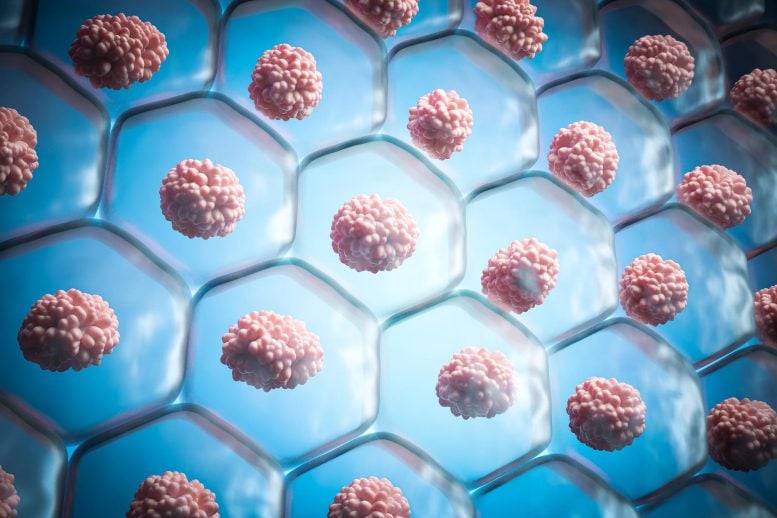
Detached sea cucumber tissue remained active for more than three years

New book examines the survival skills of 75 fierce forms of nature
Researchers confirm a new giant waterlily species in Colombia

Air pollution reaches ‘very poor’ levels in towns near Manaus

Young Puerto Rican parrot rescued from invasive boa
Warm, mostly sunny weather forecast across the Netherlands this week

Showers and morning fog forecast in parts of Türkiye