

Health · Public Health & Disease · 2 days ago
Ethics panels approve Guinea-Bissau trial delaying hepatitis B shots for some newborns
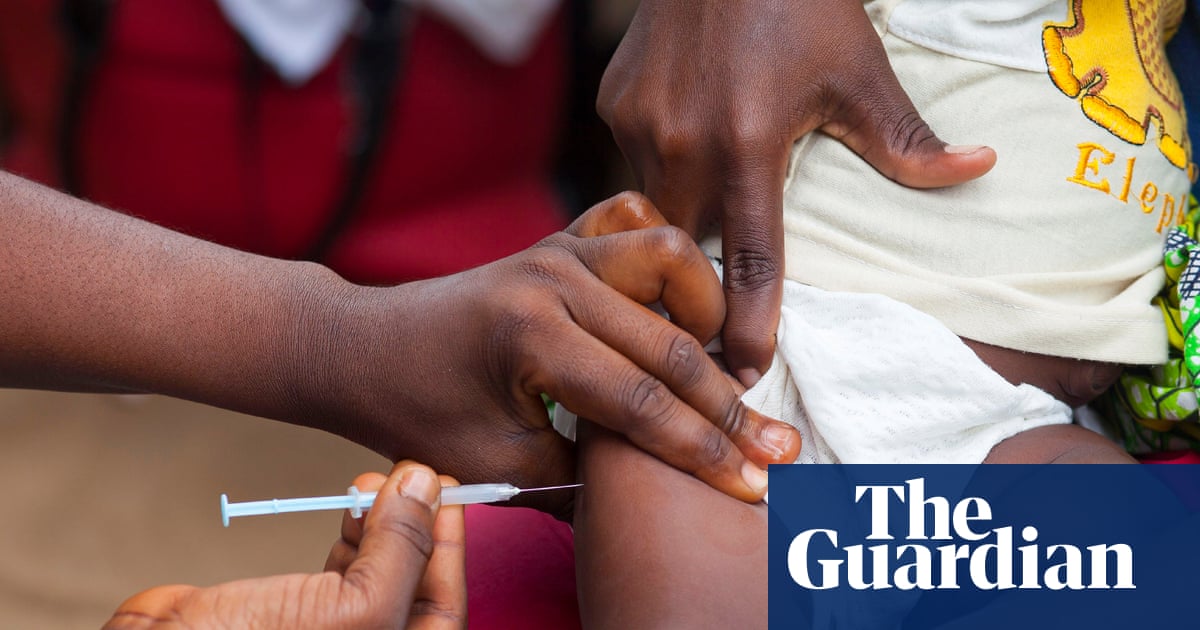
Danish researchers plan to study hepatitis B vaccination in 14,000 newborns in Guinea-Bissau.
Half would receive the vaccine at birth, while the others would not receive it until they are six weeks old.
The researchers’ ethics committee at the University of Southern Denmark and officials in Guinea-Bissau have approved the trial.
Under a revised plan, mothers will be tested for hepatitis B before giving birth, and babies of mothers who test positive will be vaccinated and left out of the study.
Critics say delaying the vaccine exposes newborns to infection, which can cause lasting harm, and three members of the Danish committee have resigned in protest.
The study is part of a vaccine agenda promoted by US health secretary Robert F Kennedy Jr, and the CDC has reportedly set aside $1.6 million for it, alongside private funding.
The trial has been approved to proceed, though the revised protocol has not been made public.

A trial in Guinea-Bissau that will withhold the hepatitis B vaccine from some newborns for six weeks has received approval to proceed.
Danish researchers plan to enroll 14,000 infants, with half receiving the vaccine at birth and half not receiving it during their first six weeks.
The University of Southern Denmark’s ethics committee approved the study, and officials in Guinea-Bissau have also approved it.
The protocol now calls for mothers to be tested for hepatitis B before delivery; babies of mothers who test positive will be vaccinated and excluded from the trial.
Critics have raised ethical concerns about exposing newborns to infection risk, and three members of the Danish ethics committee have resigned in protest.
The CDC has reportedly set aside $1.6 million for the project, with private funding expected from the Pershing Square Foundation and the Bluebell Foundation.
- Who
- Danish researchers plan to conduct the trial with newborns in Guinea-Bissau.
- What
- A trial will compare giving the hepatitis B vaccine at birth with withholding it for the first six weeks.
- When
- Approval was reported on 9 October 2026; the trial’s start date is not stated.
- Where
- Guinea-Bissau.
- Why
- Not stated
Danish researchers and approving authorities
Critics of the trial
Whether the study should proceed
Danish researchers and approving authorities
The University of Southern Denmark’s ethics committee voted to proceed, and officials in Guinea-Bissau also approved the project.
Critics of the trial
Critics say withholding a beneficial vaccine from some newborns raises major ethical concerns.
Risks to infants
Danish researchers and approving authorities
The updated protocol excludes babies whose mothers test positive for hepatitis B from the trial and vaccinates them at birth.
Critics of the trial
Critics argue that a negative maternal test may not eliminate risk: the article reports a 5% false-negative rate and says the virus can spread through community exposure.
He’s taking advantage of a developing country … Is it because children in Africa are more expendable than children here?
You are now enrolling newborns in a lottery to test a hypothesis
by design
Robert F Kennedy Jr praised the Danish researchers and presented US-supported research on newborn hepatitis B vaccination as an example of the Trump administration’s vaccine agenda.
Guinea-Bissau’s health minister, Quinhin Nantote, initially said the project was suspended after international uproar.
The University of Southern Denmark’s ethics committee voted to proceed, and officials in Guinea-Bissau also approved the project.
Stig Børsen Hansen resigned from the committee in protest, citing ethical concerns; three other committee members have also resigned.
- Planned enrollment
- 14,000 infants
- Vaccine withholding period
- The first six weeks of life
- Reported CDC funding
- $1.6 million set aside in this year’s budget
- Maternal test false-negative rate
- 5%
- Private funders named
- Pershing Square Foundation and Bluebell Foundation
Sources
Related news

Tokat suspends classes as thousands seek care for stomach symptoms
Measles cases top 55,000 in the Americas as health agency urges vaccination

Singapore mosques to stay open for prayers as haze worsens

WHO says cause of Russian lab worker’s death remains unknown

Russia ends checks after Siberian lab worker’s death, but cause remains unknown
Survey finds rising heat-related risks for pregnant women and newborns

Chickenpox was the most common infection in South Korea’s military from 2022 to 2026
About 1,300 to 1,400 people seek care after illness in Tokat
Brazil approves first human tests of vaccine against a major malaria parasite

Community-led initiative to address drug abuse launched in 300 Jind villages

Drug-resistant Shigella is becoming more common in the U.S
