Health · Public Health & Disease · 3 hrs ago
Survey finds rising heat-related risks for pregnant women and newborns
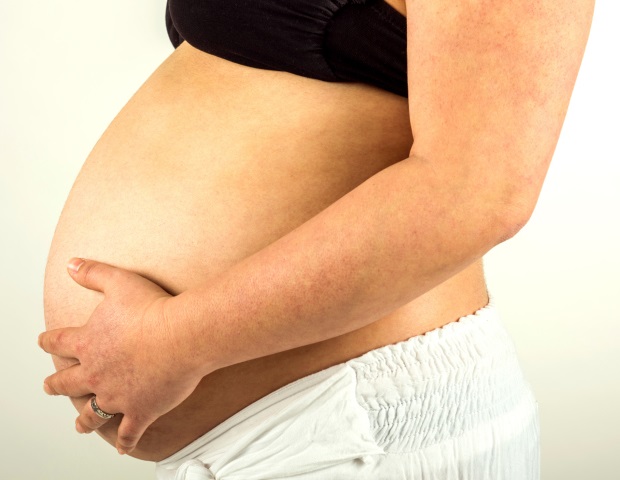
A survey of 1,000 healthcare professionals in countries including Brazil, India, Zimbabwe, Australia and the UK found that many had seen heat-related health problems among pregnant women and babies increase over five years.
Nearly all respondents had cared for a pregnant woman or baby whose health was affected by extreme heat.
Reported problems included pregnancy complications, dehydration, low birth weight and difficulties with newborns’ breathing and temperature control.
Scientific evidence also links extreme heat with poor pregnancy outcomes, including pre-term births and maternal deaths.
More than 90 per cent of those surveyed said they wanted more training and resources to protect pregnant women during severe heat.
Wellcome is asking governments to include funded protections for pregnant women and babies in national climate plans, while a study in South Africa and Zimbabwe is testing measures such as heat alerts, cooling kits and reflective roofs.
Wellcome launched its call to action ahead of the UN climate summit COP31, scheduled for November in Antalya, Türkiye.

A survey of 1,000 healthcare professionals found rising heat-related risks for pregnant women and newborns.
Seventy-three per cent of maternal healthcare professionals said heat-related complications had increased in the past five years.
More than three quarters reported increased harm to foetuses or newborn babies over the same period.
Nearly every respondent said they had cared for a pregnant woman or baby whose health was affected by extreme heat.
Wellcome is urging governments to include funded protections for pregnant women and babies in national climate plans.
- Who
- Pregnant women and newborns, according to a survey of healthcare professionals commissioned by Wellcome.
- What
- The survey found increased heat-related complications and harm to foetuses and newborn babies.
- When
- Respondents reported increases over the past five years.
- Where
- The survey included countries such as Brazil, India, Zimbabwe, Australia and the UK.
- Why
- Extreme heat is linked to health problems in pregnancy and newborns; the survey examined healthcare professionals’ experiences of those risks.
This story does not have two clearly opposing sides.
Extreme heat is an invisible killer, but pregnant women must not be invisible
Leaders have the evidence and solutions they need—now they must act.
Advice means little if water is kilometres away.
HAPI engages families, women’s groups, chiefs and maternity services, asking men to share responsibilities women often carry alone.
Survey respondents reported increases in heat-related complications and harm to foetuses or newborn babies.
Wellcome released the findings at a pre-COP summit in Fiji and launched a global call to action on heat and women’s health.
- Survey size
- 1,000 healthcare professionals
- Maternal complications
- 73 per cent reported an increase in heat-related complications
- Newborn and foetal harm
- More than three quarters reported increased harm over the past five years
- Training and resources
- More than 90 per cent wanted more support to protect pregnant women during severe temperatures
- Research investment
- Wellcome has invested more than £20 million in research on extreme heat during pregnancy
Sources
Related news

Tokat suspends classes as thousands seek care for stomach symptoms

Singapore mosques to stay open for prayers as haze worsens

WHO says cause of Russian lab worker’s death remains unknown

Russia ends checks after Siberian lab worker’s death, but cause remains unknown

Chickenpox was the most common infection in South Korea’s military from 2022 to 2026

Community-led initiative to address drug abuse launched in 300 Jind villages
About 1,300 to 1,400 people seek care after illness in Tokat
Brazil approves first human tests of vaccine against a major malaria parasite

Drug-resistant Shigella is becoming more common in the U.S

Kenya’s First Ebola Patient Travelled Through DR Congo and Uganda Undetected

Kenyan patient suspected of Ebola tests negative in preliminary results