

Politics · Brazil · 12 hrs ago
Column says social mobility is reshaping political attitudes in Brazil

A columnist reflects on inequality and political change in Brazil.
The writer recalls how poverty, racism and class divisions shaped their view of the country.
They also describe how social programs helped expand the middle class and gave more young people from poor families access to university.
The columnist says recent elections showed strong polarization, identity-based voting and the growing influence of social media.
They argue that resentment can lead some voters, including people who have moved up economically, to oppose programs such as Bolsa Família.
The column suggests that some people who no longer need public assistance may forget how their families benefited from it.
It does not describe a specific next step.

A Folha column argues that social mobility in Brazil has changed political attitudes, while some people who escaped poverty have forgotten their families’ experiences.
The writer says recent elections show affective polarisation, identity-based voting and political choices shaped by group belonging or aspiration.
The column argues that resentment can lead people to vote against their personal interests.
It also challenges claims that social programmes such as Bolsa Família make poor people lazy.
The writer says social programmes helped a middle class emerge and enabled children of domestic workers to attend university and become professionals.
- Who
- The column’s writer discusses Brazilian voters, including people who have risen out of poverty.
- What
- The column argues that social mobility is reshaping political attitudes, and that some upwardly mobile voters have forgotten the hardship their families faced.
- When
- Published on 11 October 2026; it refers to Brazil’s “last elections” without giving their date.
- Where
- Brazil.
- Why
- The writer says resentment, polarisation, identity and social media influence political choices, sometimes leading people to vote against their own interests.
This story does not have two clearly opposing sides.
Brazil makes us centrist. I don't understand how Brazilians don't revolt.
We don't talk to servants.
Never ask from someone who once asked, never serve someone who once served.
The writer’s father said Brazil made him more centrist and questioned why Brazilians did not revolt.
Social support programmes helped a middle class emerge in Brazil, the writer says.
The writer says Brazil’s elections showed affective polarisation, identity-based voting and the influence of social media.
- Publication
- Folha
- Publication date
- 11 October 2026
- Social programme
- Bolsa Família
- Income groups discussed
- The poorest voters and people earning between two and five salaries
- Social mobility example
- Children of domestic workers attending university and becoming doctors and lawyers
Sources
Related news

Lula and Flávio Bolsonaro filed at least 470 election cases before first round

Lula rallies supporters ahead of Brazil’s presidential runoff
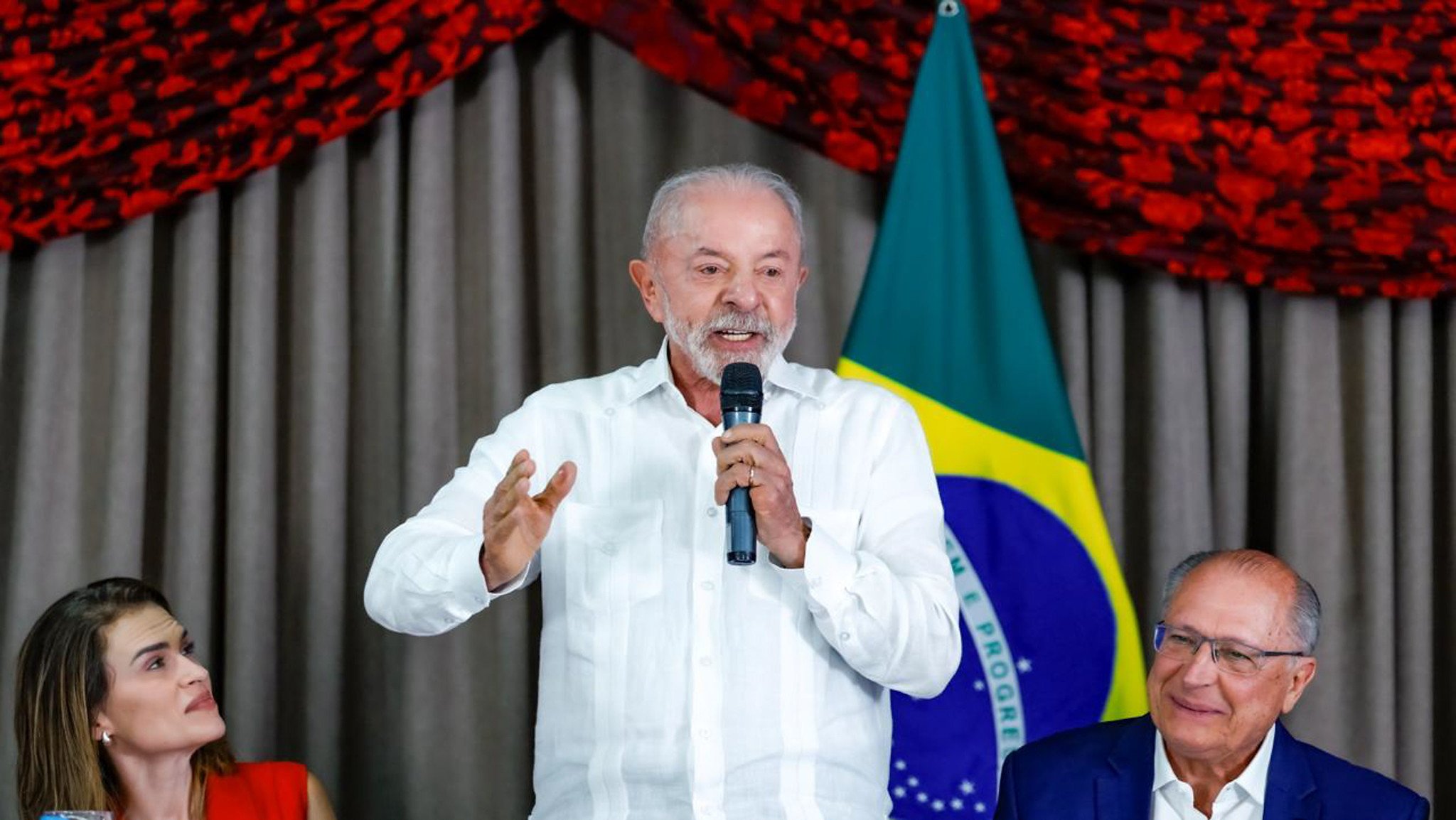
Lula campaign accuses Meta of limiting its posts before Brazil runoff

Ratinho Jr. backs Flávio Bolsonaro in Brazil’s presidential runoff

Flávio Bolsonaro visits to his father set to resume after suspension ends

Brazil cuts fuel taxes and expands subsidies in R$5.2 billion package

Brazil court suspends Stake’s temporary permission to operate

Lula rallies in São Paulo for more worker rest days before Brazil runoff

Flávio Bolsonaro asks election court to investigate Brazil’s police chief
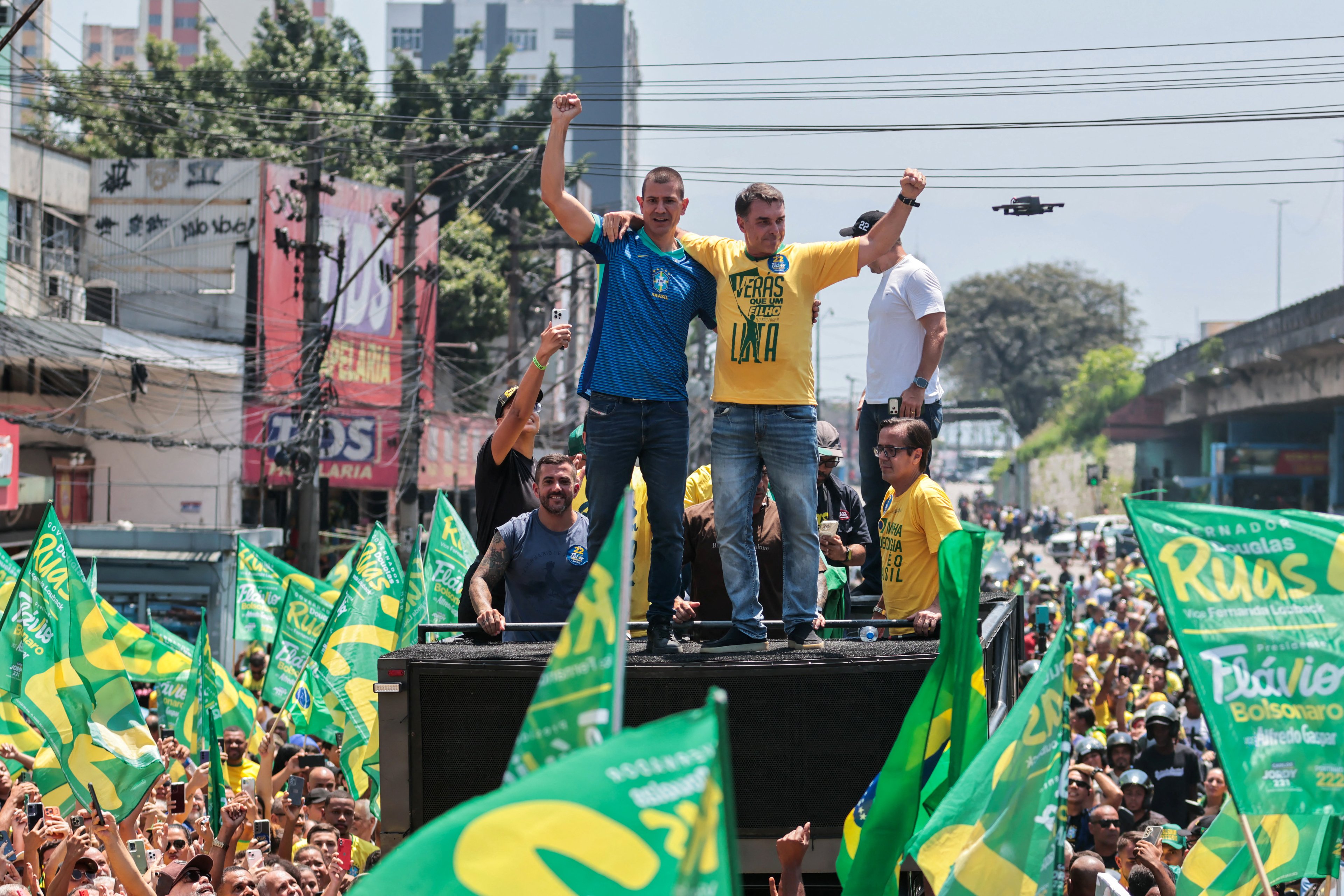
São Paulo leaders confirm Paulista rally for Flávio Bolsonaro on Oct. 18

Column argues Lula’s government has failed to protect political debate
