Health · Medical Research · 18 hrs ago
Nighttime light exposure linked to measurable differences in heart structure
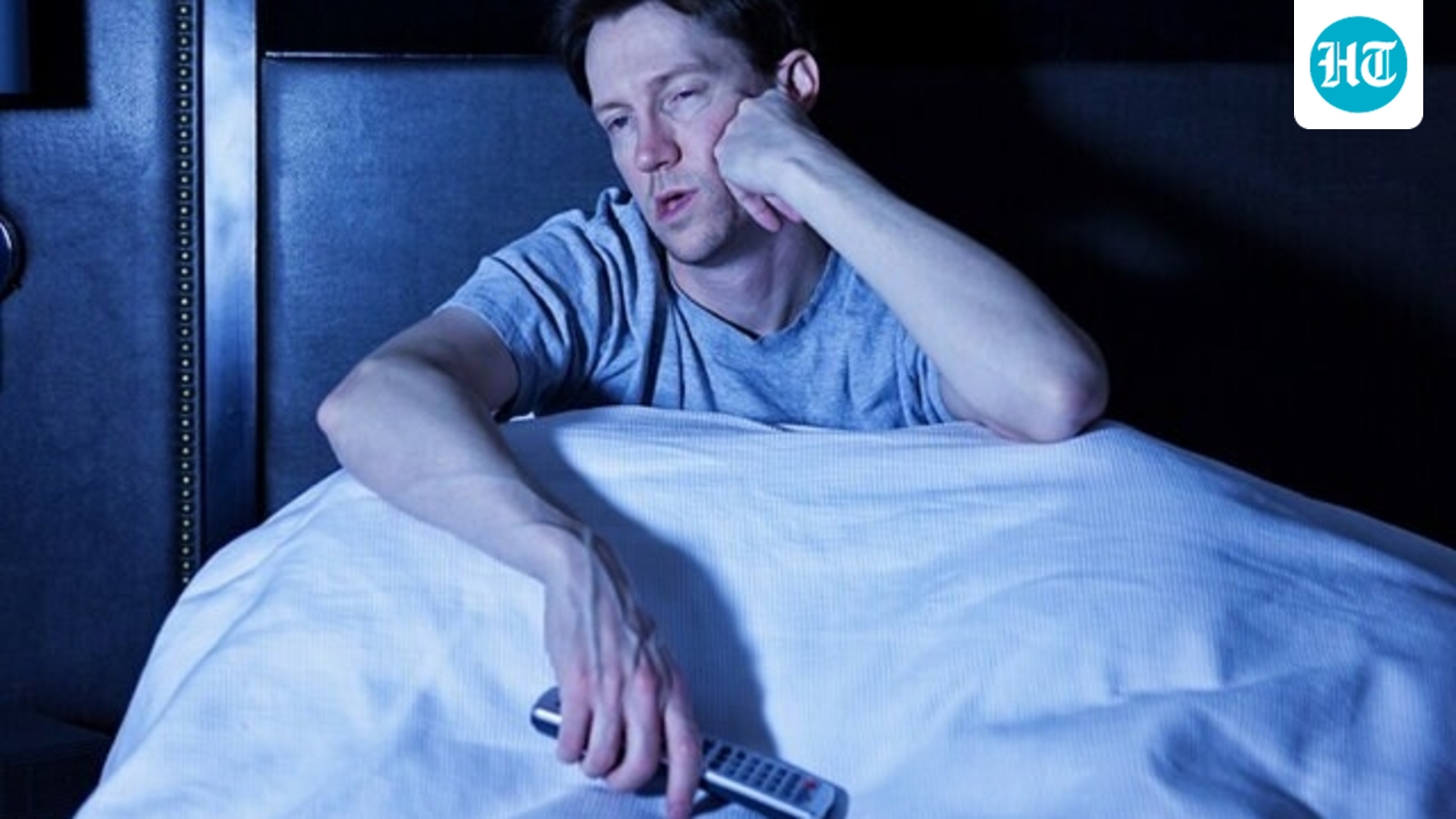
Researchers studied 11,071 people in the UK Biobank who wore wrist devices that measured light exposure.
About three years later, the participants had heart MRI scans.
People exposed to more than 3 lux of light at night showed measurable differences in heart structure and function, including greater left ventricular mass and lower contraction fraction.
The findings were linked to nighttime light from sources such as televisions, lamps and streetlights, not just to watching TV.
The study also found that shorter sleep duration statistically explained part of the association.
These results show a link, but do not prove that nighttime light caused the heart differences.

A study of 11,071 UK Biobank participants found that greater nighttime light exposure was associated with measurable differences in heart structure and function.
Participants with nighttime exposure above 3 lux had higher left ventricular mass and average wall thickness, and a lower myocardial contraction fraction.
Differences were also observed in the right ventricle and left atrium.
The researchers described the overall pattern as concentric cardiac remodeling.
Shorter sleep duration statistically explained a substantial part of the association, but the findings do not establish that nighttime light caused the heart changes.
- Who
- Researchers studied 11,071 UK Biobank participants.
- What
- Greater nighttime light exposure was associated with measurable differences in heart structure and function.
- When
- Participants wore a light-sensing wrist device; about three years later, they underwent cardiovascular MRI scans.
- Where
- The participants were from the UK Biobank. The scans’ location is not stated.
- Why
- The study examined whether nighttime light exposure was associated with heart structure and function. The reason for the observed association is not established.
This story does not have two clearly opposing sides.
This study shows that greater exposure to light at night was associated with measurable differences in heart structure and function. We should take that association seriously.
Even a minimal light exposure can affect you. This is not limited to television viewing specifically. Light sources can include TVs, streetlights, lamps, and other sources,
Participants wore a wrist device with a light sensor to measure nighttime light exposure.
Participants underwent cardiovascular MRI scans to examine heart structure and function.
- Participants
- 11,071 UK Biobank participants
- Light exposure
- Above 3 lux
- Left ventricular mass
- 2.4% higher among those exposed to light above 3 lux
- Average wall thickness
- 1.5% greater among those exposed to light above 3 lux
- Myocardial contraction fraction
- 1.9% lower among those exposed to light above 3 lux
Sources
Related news

Pope Leo XIV to have lung nodule removed in surgery this week

Pope Leo to have surgery to remove an early-detected lung nodule

Pope Leo XIV to have surgery to remove early-stage lung nodule

Electroacupuncture reduced post-shingles pain in a clinical trial
AI model uses past mammograms to estimate breast cancer risk

ADHD and Later Cognitive Diagnoses: Why the Risk Estimate Needs Context

Higher Pre-Surgery A1c Linked to Macular Edema Risk After Cataract Surgery

PRIMA retinal implant showed control of geographic atrophy for up to 3 years

Pedro Bial says he has emphysema linked to past smoking

Bonn researchers reset age markers in human cells in the lab

Google’s AMIE chatbot may help doctors prepare for patient visits