

Health · Medical Research · 3 hrs ago
AI model uses past mammograms to estimate breast cancer risk
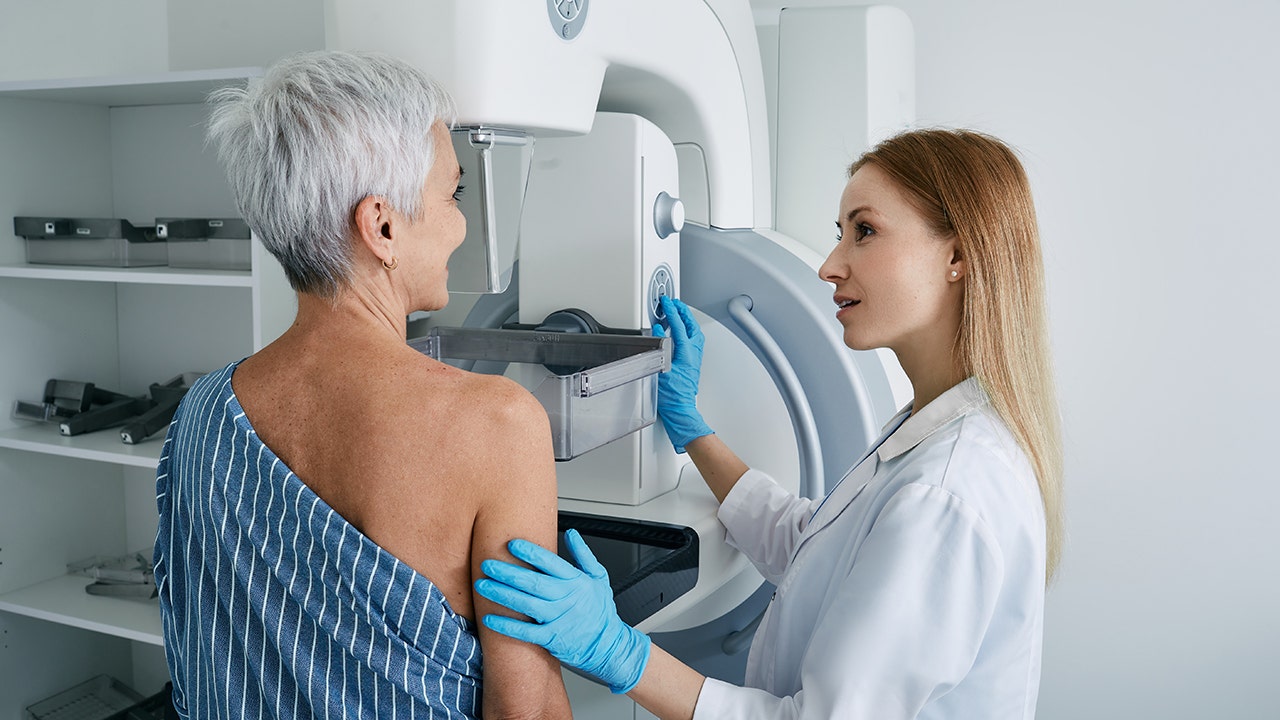
Researchers at NYU Langone Health and its Perlmutter Cancer Center tested an AI model to estimate a woman’s chance of developing breast cancer within five years.
The model examines several years of 3D mammograms and tracks changes in breast tissue over time.
It was developed using more than 313,000 mammograms from more than 161,000 women.
Traditional risk assessments can use factors such as family history and genetic mutations, while the AI may find additional clues in breast tissue.
If used in the future, risk estimates could help doctors discuss whether women might benefit from extra screening, such as MRI, or continue with routine mammograms.
The score is not a cancer diagnosis and cannot say for certain whether someone will develop the disease.
The model is not authorized by the FDA for clinical use, and more testing is needed because the study used scans from NYU Langone hospitals and equipment from one manufacturer.

Researchers at NYU Langone Health and its Perlmutter Cancer Center tested an AI model that estimates a woman’s risk of developing breast cancer within five years.
The model analyzes several years of 3D mammograms to track changes in breast tissue over time.
Researchers developed it using more than 313,000 mammograms from more than 161,000 women.
The study was published in the American Journal of Roentgenology.
The model remains a research tool, and further testing is needed before it can be used clinically.
- Who
- Researchers at NYU Langone Health and its Perlmutter Cancer Center tested the model.
- What
- An AI model analyzes past 3D mammograms to estimate breast cancer risk within five years.
- When
- The article was published on 2026-10-11. The study’s publication date is not stated.
- Where
- The study used mammograms from NYU Langone hospitals.
- Why
- The model aims to identify women at increased risk so screening can potentially be tailored to their risk.
This story does not have two clearly opposing sides.
A mammogram can tell us more than whether cancer is visible today — it can also provide information about a woman's risk of developing cancer in the years ahead.
A higher score can prompt a conversation with your health care provider about additional screening and risk-reduction options,
A lower score does not eliminate risk or replace regular mammography.
Researchers used more than 313,000 mammograms from more than 161,000 women to develop the AI model.
Researchers at NYU Langone Health and its Perlmutter Cancer Center tested the model.
The research was published in the American Journal of Roentgenology.
- Risk estimate
- Breast cancer risk within five years
- Training data
- More than 313,000 mammograms
- Participants
- More than 161,000 women
- Imaging
- Several years of 3D mammograms
- Study site
- NYU Langone hospitals
Sources
Related news

Pope Leo to have surgery to remove an early-detected lung nodule

Pope Leo XIV to have lung nodule removed in surgery this week

Australian trial finds no clear overall effect from childcare active-play program

Pope Leo XIV to have surgery to remove early-stage lung nodule

Experts urge parents to watch for persistent childhood cancer symptoms

Brain injuries may contribute to chronic homelessness, Canadian doctor says

Pope Leo XIV says he will have a lung nodule removed
Electroacupuncture reduced post-shingles pain in a clinical trial

Bob, 17, tells friends he has cancer at a party

ADHD and Later Cognitive Diagnoses: Why the Risk Estimate Needs Context

Higher Pre-Surgery A1c Linked to Macular Edema Risk After Cataract Surgery
