Politics · Canada · 1 day ago
Carney faces separatist movements in Quebec and Alberta

Prime Minister Mark Carney is facing renewed pressure to keep Canada together.
Quebec has elected the separatist Parti Québécois to govern the province.
The party campaigned on holding another referendum on Quebec leaving Canada.
Its incoming premier, Paul St-Pierre Plamondon, has said he will not call a referendum while Donald Trump is U.S. president, putting a possible vote off until at least 2029.
Later this month, Albertans will decide whether to pursue leaving Canada.
The two developments mean Carney faces separatist politics in both provinces, a challenge no Canadian prime minister has faced in this combination for years.
The next steps are the Alberta vote and the new Quebec government's decisions about a possible referendum.

Prime Minister Mark Carney faces renewed separatist pressures in Quebec and Alberta.
The Parti Québécois won Quebec’s election after campaigning on a commitment to hold another referendum.
Albertans are due to decide later in October whether to pursue leaving Canada.
The article says support for Quebec secession was broadly unchanged during Justin Trudeau’s time as prime minister.
Quebec’s incoming premier, Paul St-Pierre Plamondon, has said a referendum will not be called while Donald Trump is U.S. president.
- Who
- Prime Minister Mark Carney faces separatist pressures in Quebec and Alberta.
- What
- The Parti Québécois won Quebec’s election, and Albertans will decide whether to pursue leaving Canada.
- When
- The article was published on October 10, 2026; Alberta’s decision was expected later that month.
- Where
- Quebec and Alberta, Canada.
- Why
- The article describes renewed separatist politics, including the Parti Québécois’s election victory and a planned Alberta decision on pursuing separation.
This story does not have two clearly opposing sides.
Ten years ago there were no referendums in any part of the country to separate. There was no separatist movement in Alberta whatsoever, the PQ was defeated, the Bloc [Québécois] did not even have party status [in Parliament]
The people of Quebec voted for change, a pretty strong desire for change
At the same time, I think it was pretty clear they were denying any kind of a mandate to pursue the separation of Quebec or the division of the country.
The Parti Québécois won 54 seats with 32 per cent of the popular vote.
A survey found that 23 per cent of Albertans believed their province would be better off as its own country.
A Léger poll found that nine per cent of Quebecers named making Quebec a country as their most important issue.
The Parti Québécois won Quebec’s election, and Alberta’s decision on whether to pursue leaving Canada was expected later in the month.
- Quebec election
- Parti Québécois won 59 seats with 28 per cent of the vote.
- Incoming premier
- Paul St-Pierre Plamondon.
- Alberta survey
- 23 per cent of Albertans surveyed in July 2014 said the province would be better off as its own country.
- Quebec poll
- 9 per cent named making Quebec a country as their most important issue in September.
- Referendum timing
- St-Pierre Plamondon said a referendum would not be called while Donald Trump is U.S. president.
Sources
Related news

Opinion warns Canada’s tower-focused housing policy risks less livable communities

Cold Lake First Nations challenges Pacific Link pipeline designation in court
Alberta referendum advance polls set to open this week
Six provinces and Yukon urge Ottawa to expand mining tax credit

Supreme Court sets sentencing framework for Indigenous intimate partner violence cases

Alberta appeal court rules federal project review law still unconstitutional
Poilievre to promote Canadian unity in Alberta ahead of Oct. 19 vote
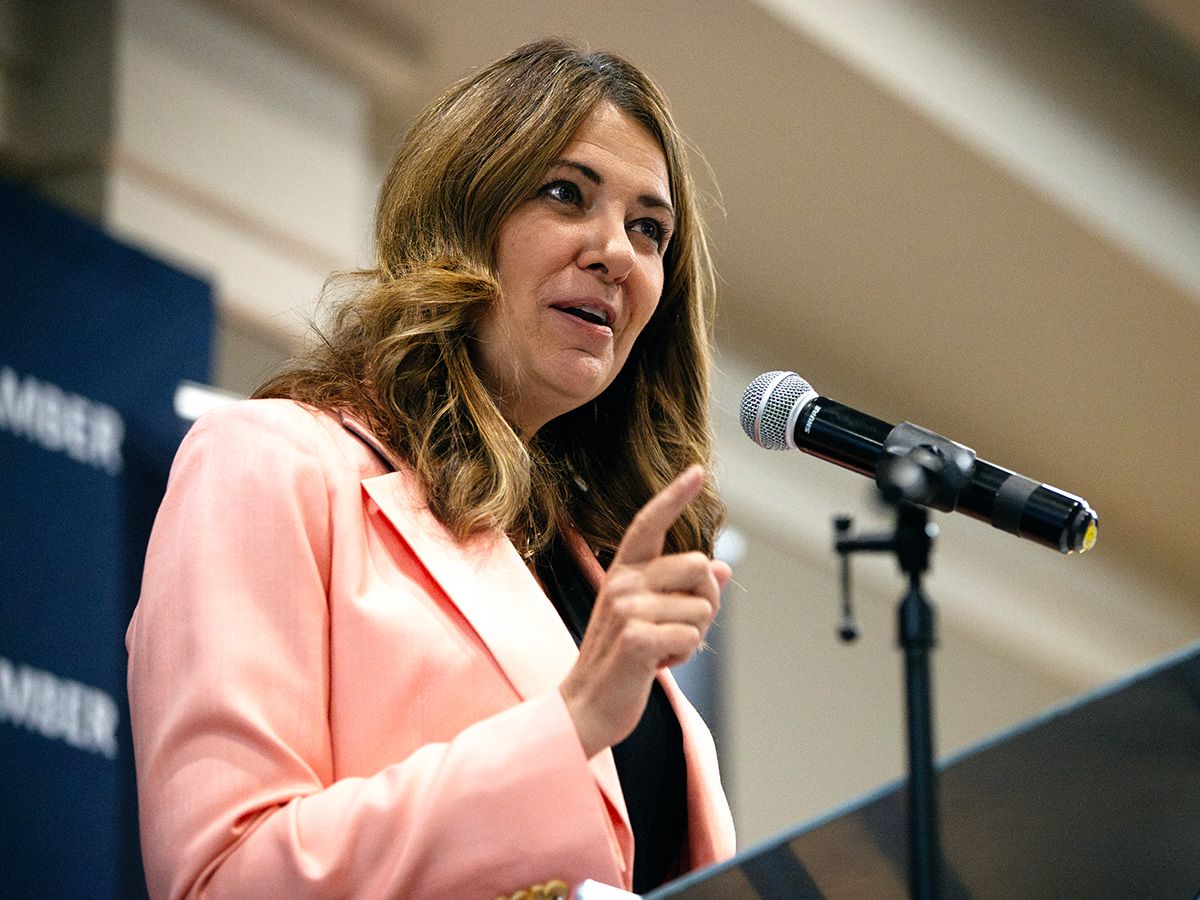
Danielle Smith says Alberta vote can show separatism is losing support
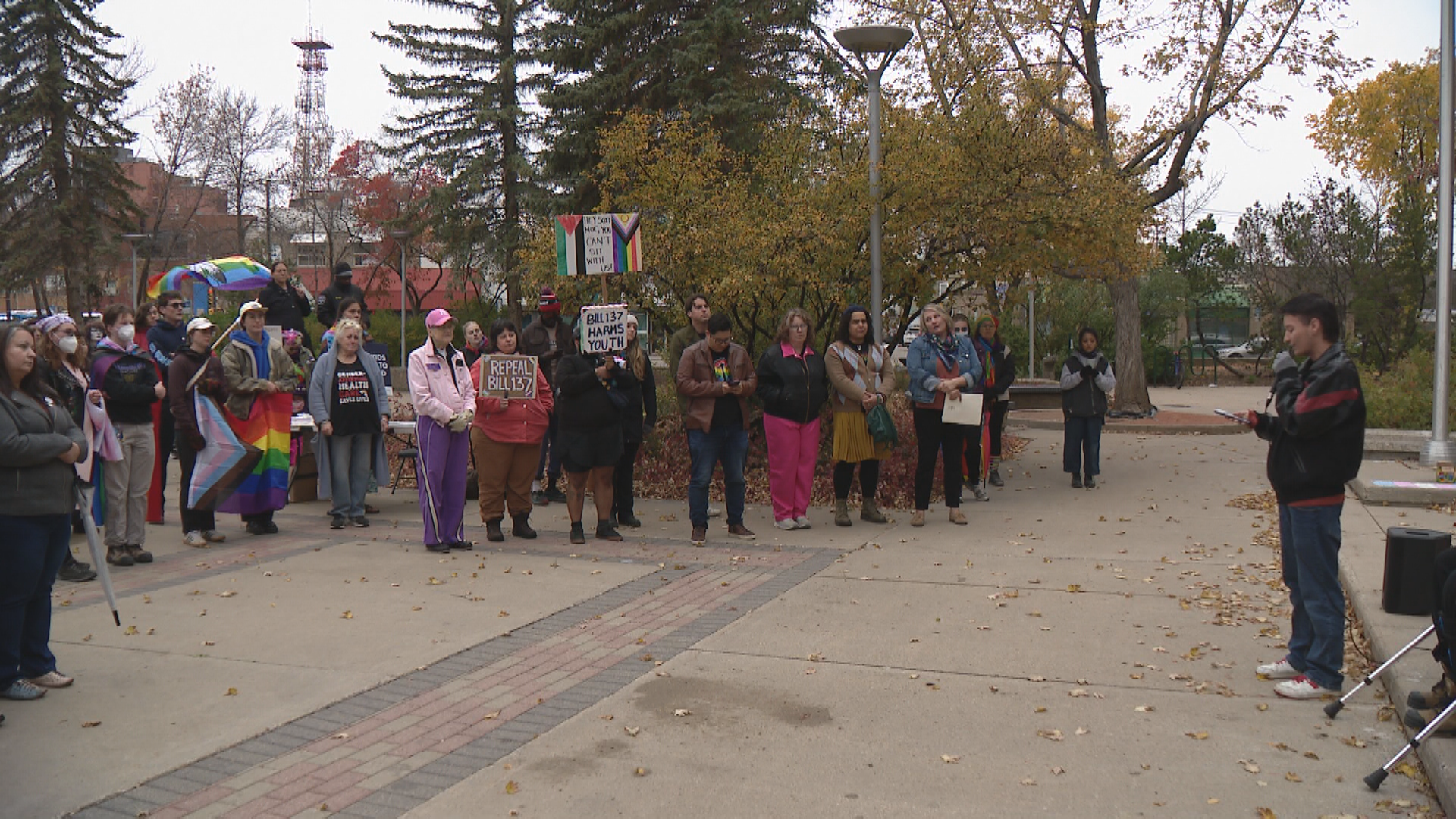
Saskatchewan rallies call for repeal of Bill 137

Albertans can vote in a 10-question referendum starting Tuesday

Alberta to vote on whether to begin process of separating from Canada