Politics · Canada · 1 day ago
Supreme Court sets sentencing framework for Indigenous intimate partner violence cases

Canada’s Supreme Court has set guidance for sentencing cases where an Indigenous person commits violence against an Indigenous intimate partner.
The ruling came from a case involving a Mi’kmaw man in Nova Scotia who pleaded guilty to aggravated assault against his Mi’kmaw partner.
He was first sentenced to five years in prison, but the Nova Scotia Court of Appeal reduced that term to three years.
In a 5-4 decision, the Supreme Court upheld the three-year sentence.
The court said judges must consider both the overincarceration of Indigenous people and the high levels of violence against Indigenous women, rather than treating them as competing concerns.
Judges must weigh the offence and the offender’s responsibility, identify the relevant sentencing aims, and choose a proportionate sentence while considering options other than prison.
The court also said Indigenous perspectives and victims’ voices should be taken seriously, including in sentencing circles, whose recommendations do not bind judges.

The Supreme Court of Canada upheld a three-year sentence for a Mi’kmaq man who pleaded guilty to aggravated assault against his Indigenous partner.
In a 5-4 ruling, the court set out a framework for sentencing cases involving Indigenous offenders and Indigenous victims of intimate partner violence.
The framework says judges must consider sentencing principles for Indigenous offenders and victims together.
The court said Indigenous people are disproportionately imprisoned and Indigenous women and girls face high levels of violence and abuse.
The majority said sentencing circles can connect the criminal justice system with Indigenous models of justice, but judges are not bound by their recommendations.
- Who
- The Supreme Court of Canada ruled on the case of a Mi’kmaq man and his Mi’kmaq partner.
- What
- The court upheld his three-year sentence and set a sentencing framework for cases involving Indigenous offenders and victims of intimate partner violence.
- When
- The ruling was released on Oct. 9, 2026, according to CBC.
- Where
- The assault case was in Nova Scotia.
- Why
- The court said sentencing principles for Indigenous offenders and victims must be considered together, in light of overincarceration and violence against Indigenous women and girls.
This story does not have two clearly opposing sides.
This means treating that circle as a bridge between the criminal justice system and Indigenous models of justice, not an exercise in performative tokenism, which will only erode trust, set back reconciliation and exacerbate the challenges Indigenous people face with the criminal justice system
It’s not an either-or
People come out worse off and much more violent. It hasn’t been working for decades and generations now
The Supreme Court heard the case.
A Nova Scotia court sentenced the man to five years in prison after he pleaded guilty to aggravated assault against his partner.
A majority of the Nova Scotia Court of Appeal reduced the sentence to three years.
The Supreme Court upheld the three-year sentence and set out a sentencing framework.
- Supreme Court vote
- 5-4
- Original sentence
- Five years in prison
- Sentence upheld
- Three years
- Offender and victim
- Both were Mi’kmaq
- Case location
- Nova Scotia
Sources


Related news

Opinion warns Canada’s tower-focused housing policy risks less livable communities

Cold Lake First Nations challenges Pacific Link pipeline designation in court
Alberta referendum advance polls set to open this week
Six provinces and Yukon urge Ottawa to expand mining tax credit

Alberta appeal court rules federal project review law still unconstitutional
Poilievre to promote Canadian unity in Alberta ahead of Oct. 19 vote
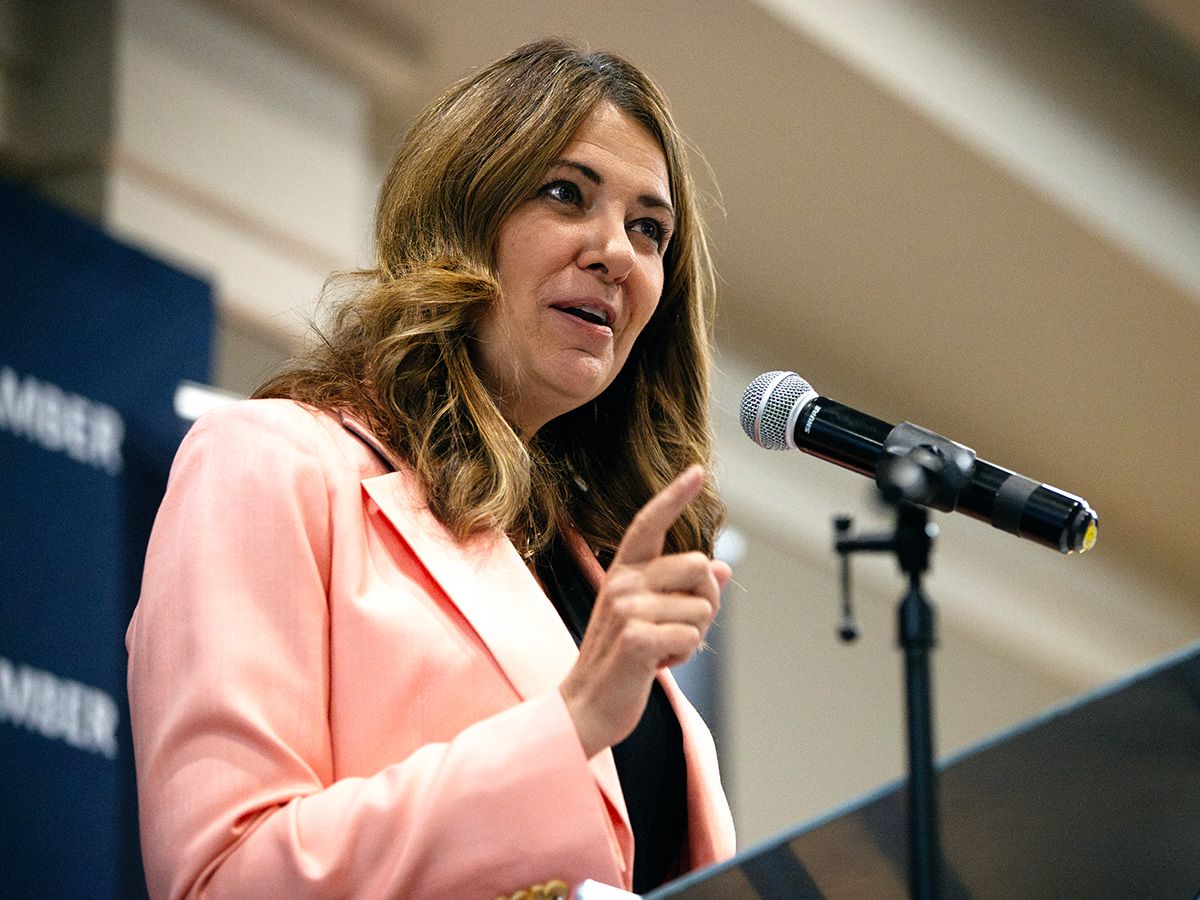
Danielle Smith says Alberta vote can show separatism is losing support
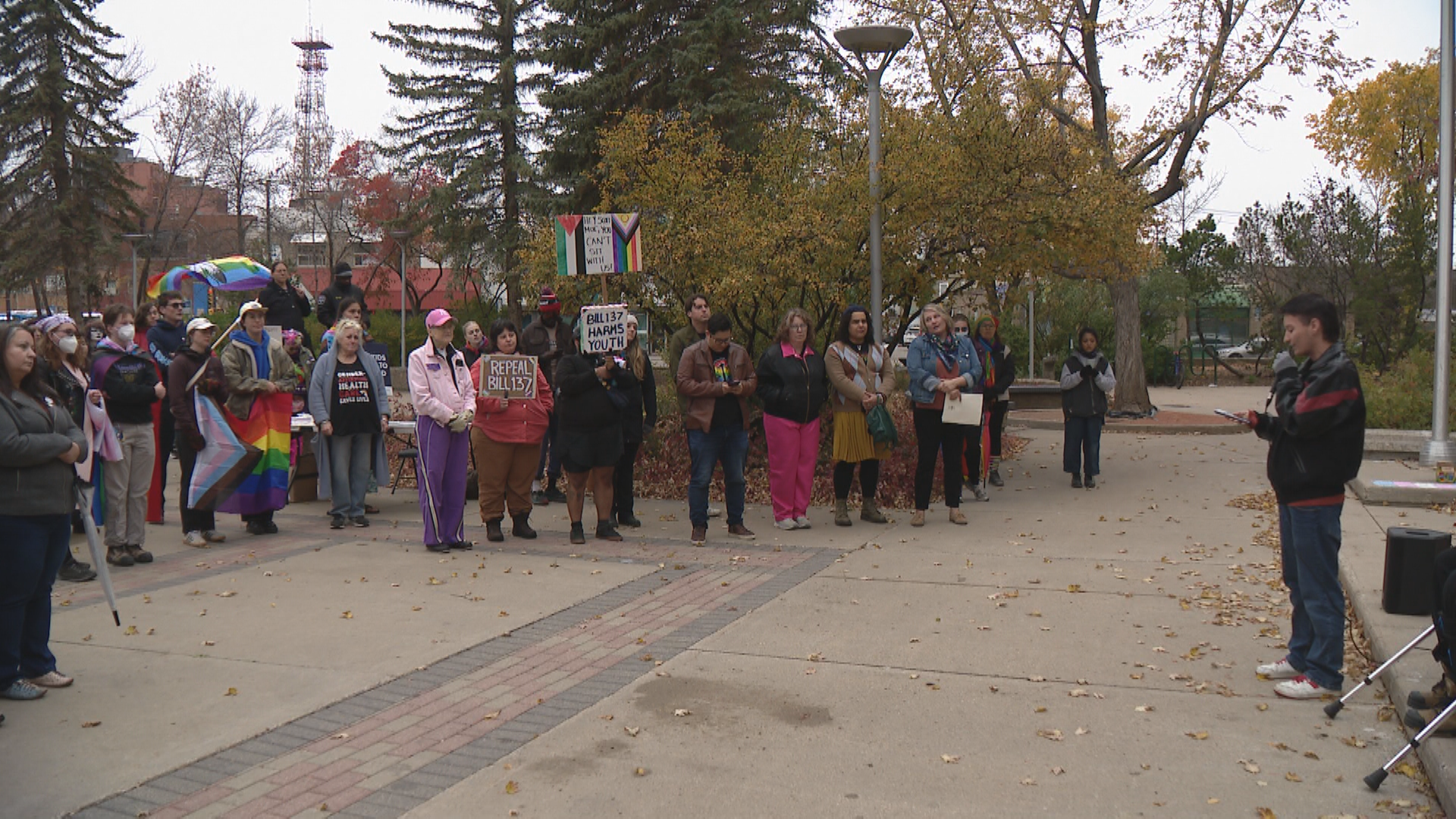
Saskatchewan rallies call for repeal of Bill 137

Albertans can vote in a 10-question referendum starting Tuesday

Alberta to vote on whether to begin process of separating from Canada
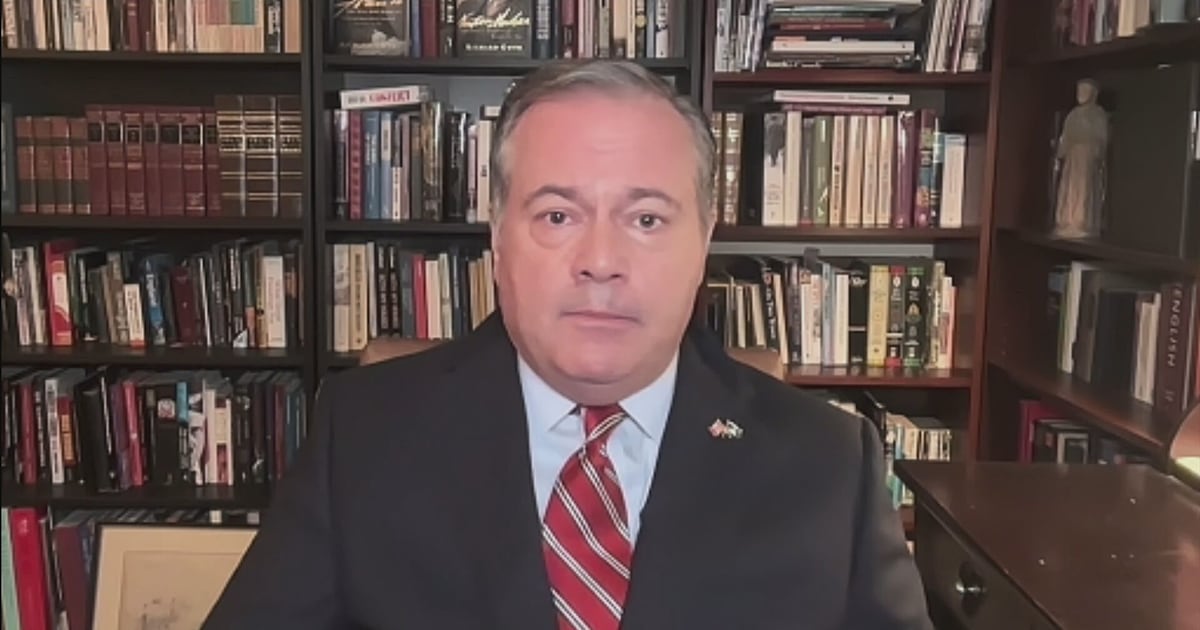
Kenney warns low turnout could help separatists win Alberta referendum