

Politics · South Korea · 16 hrs ago
South Korean Democrats seek to ease disclosure rules for joint investor action
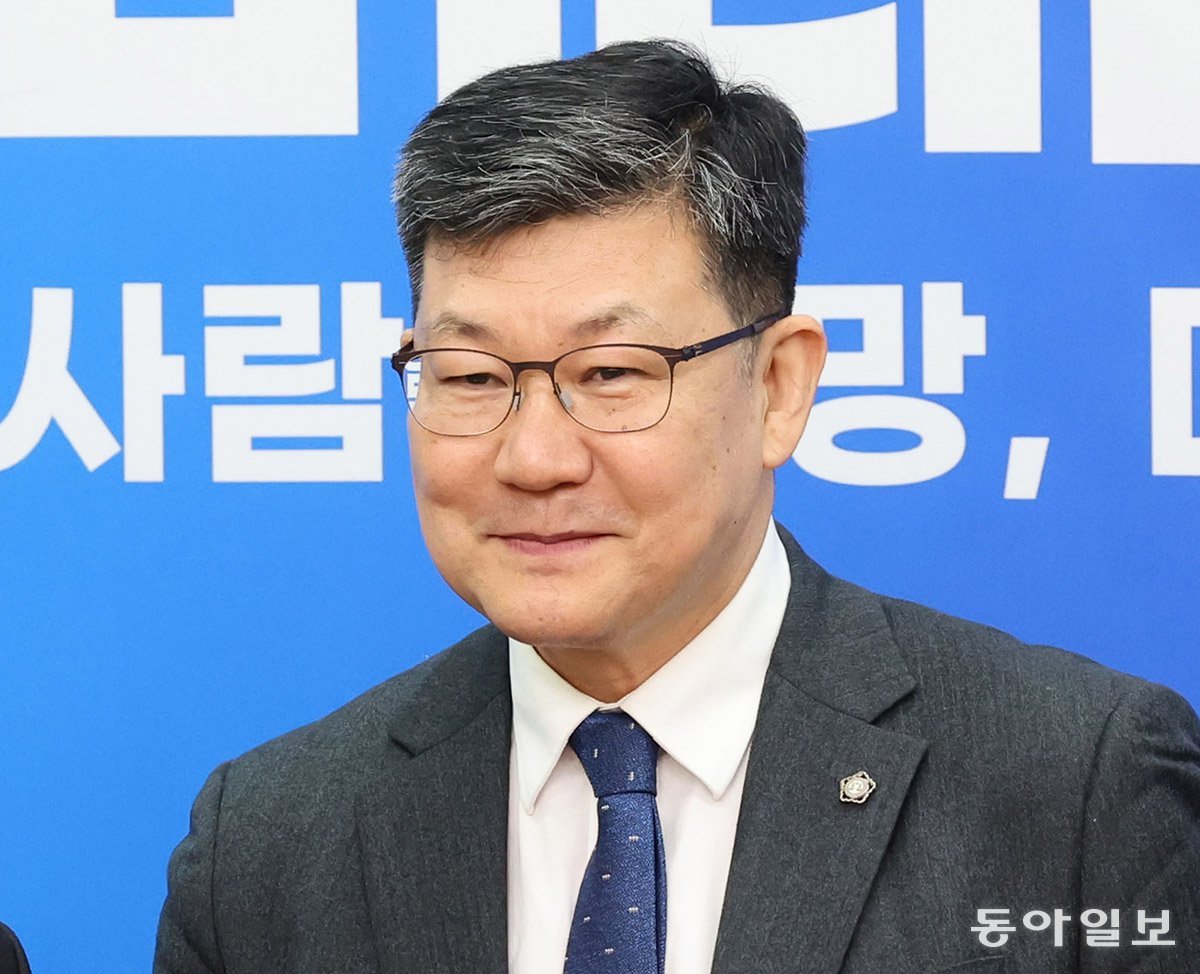
A lawmaker from South Korea’s Democratic Party has proposed easing rules that apply when institutional investors coordinate on votes at listed companies.
Under current rules, investors whose combined stake exceeds 5% must report their holdings and purpose to financial authorities.
The bill would exclude some temporary discussions about shareholder meeting matters and the delegation of voting rights from joint-action rules.
The party says this could help investors push for higher dividends, share buybacks and better corporate governance.
It presents stronger shareholder action as a way to address the “Korea discount,” the concern that South Korean companies are valued less than their assets suggest.
Business groups warn that coordinated investor pressure could burden company management or be used in control disputes.
The bill has been proposed, but the sources do not say whether it will pass.

South Korea’s Democratic Party has proposed easing disclosure rules so institutional investors can coordinate more easily on shareholder actions.
The bill would exclude some temporary discussions on shareholder meeting issues and proxy-voting arrangements from the definition of joint voting.
The party says the change could encourage demands for higher dividends, share buybacks and governance improvements.
Business groups warn that coordinated investor action could burden companies and be used in control disputes.
- Who
- South Korea’s Democratic Party, through lawmaker Kim Nam-geun, proposed the bill.
- What
- The bill would ease disclosure requirements for certain forms of joint action by institutional investors.
- When
- Kim introduced the bill on October 6; the report was published October 11, 2026.
- Where
- South Korea.
- Why
- The party says the change could encourage shareholder engagement and help address the “Korea discount.
Democratic Party
Business groups
Purpose
Democratic Party
The party says easing the rules could encourage institutional investors to seek higher dividends, share buybacks and governance improvements.
Business groups
Business groups say the change could increase companies’ management burdens and be misused in control disputes.
Scope of coordination
Democratic Party
The bill would exclude temporary discussion of shareholder meeting issues and proxy-voting arrangements from the scope of joint voting.
Business groups
The Korea Listed Companies Association warns that loosely coordinated investors could conduct “wolf pack” activism outside the rules.
Institutions are reluctant to engage in joint voting or shareholder engagement, and this has created a climate in which 60% of KOSPI-listed companies have a price-to-book ratio below 1, with “stock price suppression” at many listed companies and this being a key cause of the “Korea discount.
If even saying “let’s oppose this together” on a particular issue is burdensome for institutions, cooperative engagement will be difficult to promote.
The purpose of this system is to disclose the investment objectives of institutions holding large amounts of shares so companies and ordinary investors can know whether they may participate in management.
Oh Ki-hyung, chair of the Democratic Party’s K-Capital Market Special Committee, introduced a bill requiring detailed disclosures when listed companies pursue a sale of control.
Kim Nam-geun introduced the bill to ease disclosure requirements for institutional investors.
Donga Ilbo reported on the proposal and concerns from business groups.
- Bill proposer
- Kim Nam-geun
- Bill introduced
- October 6, 2026
- Current disclosure threshold
- More than 5% ownership in a listed company
- Exempted activity
- Temporary discussion of shareholder meeting issues and proxy-voting arrangements
- Party’s stated goals
- Higher dividends, share buybacks and governance improvements
Sources
Related news

South Korea’s Lee plans more public outreach as questions grow over results

South Korea says president visited golf course as Daegu ceiling collapsed

Lee says he will continue social media outreach and visits to local communities
South Korea’s interior minister orders inspection of regional investigation chief
South Korea parties trade accusations over lawmakers’ children
South Korea puts CPTPP membership application on hold this year
Policy reversals raise concerns about trust in South Korea’s government
South Korea faces criticism over rushed policies and repeated reversals
South Korea’s president says he will continue communicating through social media
South Korea’s ruling party divided over nominee for major crimes agency chief

Previously penalized firms won oversight contracts in 16 new-town districts
