Politics · Other · 21 hrs ago
Kenyan courts say firms may lose payment for unlawful State contracts

Kenyan courts have repeatedly ruled that firms may not be paid for government contracts that bypass mandatory procurement procedures.
The issue affects companies supplying goods or services to public agencies.
Completing the work does not guarantee payment, even when the agency has benefited.
The courts say public interest cannot excuse ignoring procurement laws.
They warn that allowing payment for unlawful contracts could weaken the rules and encourage irregular spending of public money.
As a result, companies risk losing millions of shillings if they do not follow the required procedures.
The account gives no details about a specific case or any next legal step.

Firms that supply goods or services to government agencies risk losing millions of shillings if they do not comply with procurement laws.
Courts have repeatedly ruled that public interest does not justify transactions that bypass mandatory procurement procedures.
They have warned that allowing firms to recover money from unlawful contracts would undermine the law.
The courts also say such payments could encourage irregular spending of public funds.
- Who
- Firms supplying goods or services to government agencies, and the courts ruling on unlawful contracts.
- What
- Firms may lose payment for work completed under contracts that bypassed mandatory procurement procedures.
- When
- Not stated.
- Where
- Kenya, in contracts with government agencies.
- Why
- The courts say allowing recovery of money from unlawful contracts would undermine procurement law and encourage irregular public spending.
This story does not have two clearly opposing sides.
No direct quotes in the coverage so far.
This story does not have a timeline yet.
- Potential loss
- Millions of shillings
- Affected suppliers
- Firms supplying goods or services to government agencies
- Requirement
- Mandatory procurement procedures
- Court position
- Public interest cannot justify bypassing procurement procedures
- Risk identified
- Irregular spending of public funds
Sources
Related news
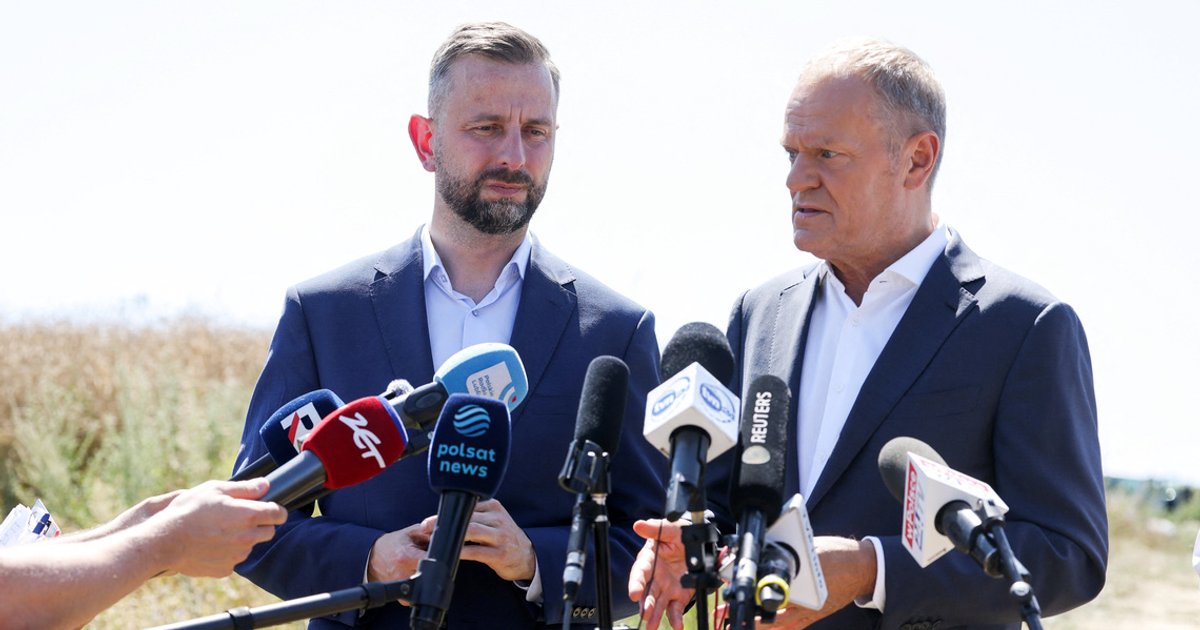
Poland investigates possible plot against prime minister and defence minister

Pakistan declares emergency in province governed by Imran Khan's party

Suspect arrested over planned attack on Polish Prime Minister Donald Tusk

Hitler Mussolini Simeon Flores elected mayor in Peru

New Zealand's National Party Says Tax Cuts Must Wait for Budget Surplus

Abbas postpones Palestinian elections until September 2027

Slovenian voters reject bill to expand parliamentary inquiry powers

Argentina’s Supreme Court provisionally restores limits on foreign land ownership

Anti-immigration protests turn violent in Johannesburg and Durban

Israel faces a consequential election in two weeks

Thousands march in Brussels against proposed government spending cuts