Politics · Other · 2 hrs ago
Nigeria says 120,000 vehicles have switched to compressed natural gas
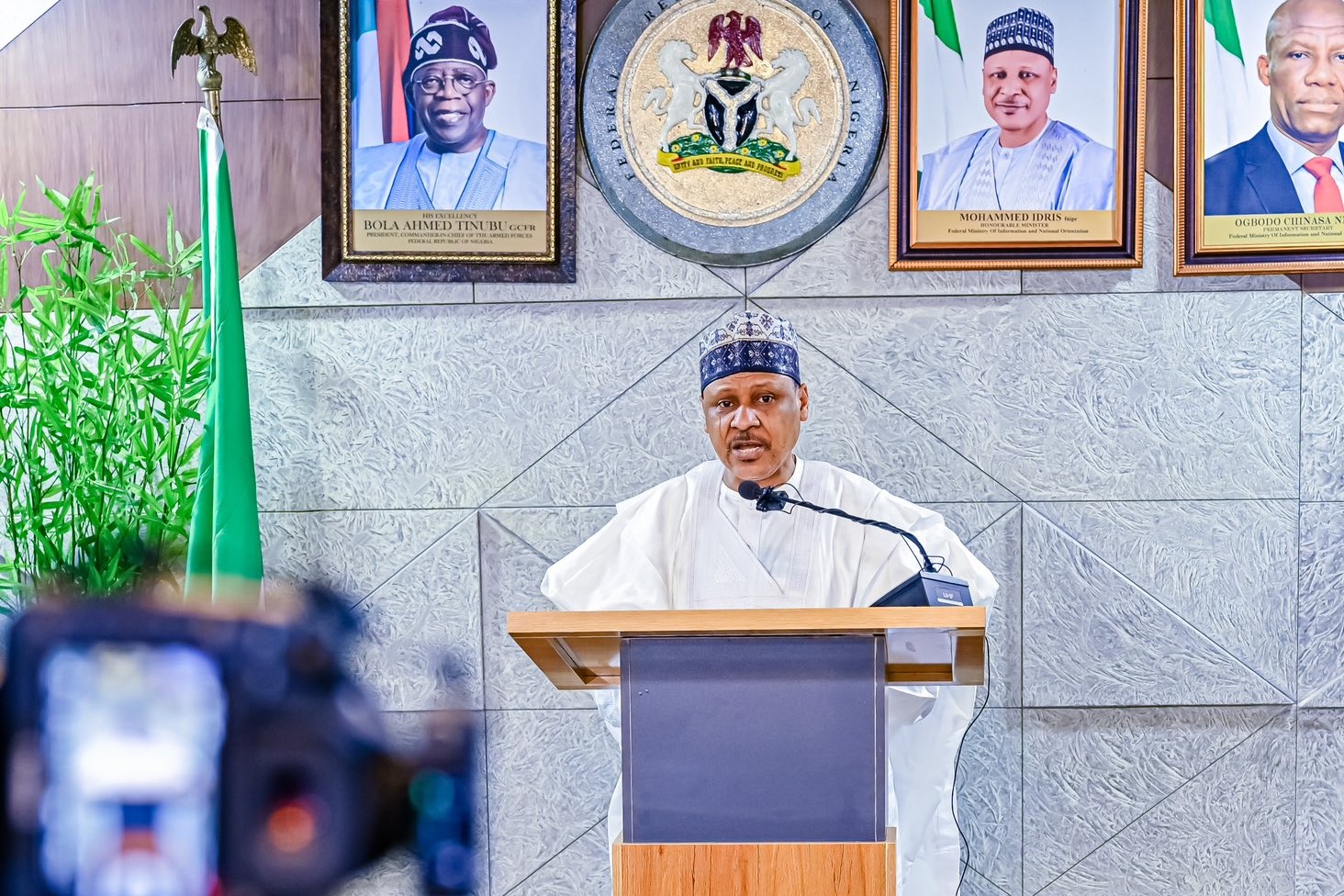
Nigeria’s government says more than 120,000 vehicles have been converted to run on compressed natural gas under its CNG and Electric Vehicle Initiative.
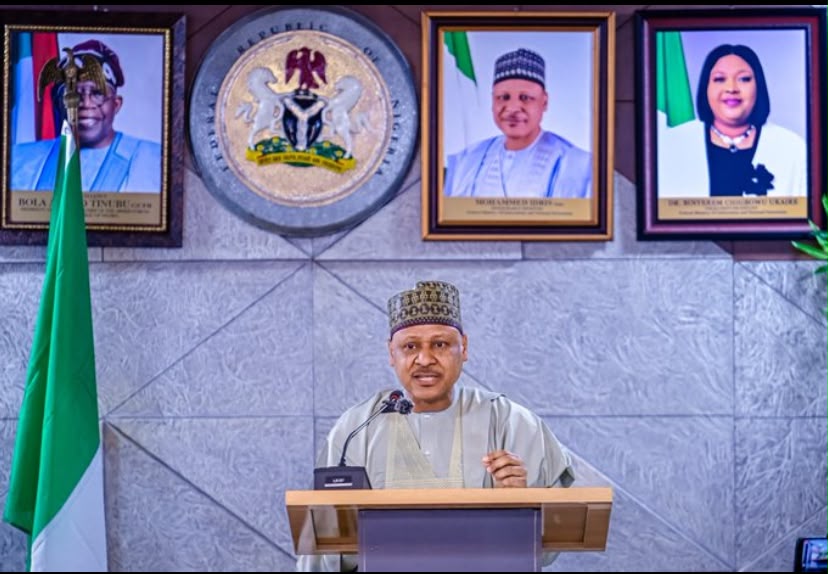
Information Minister Mohammed Idris said the programme has attracted about $2.5 billion in private investment and around N250 billion in government funding and commitments.
The initiative followed the removal of the petrol subsidy in May 2023, which contributed to higher transport costs.
The government promotes CNG as a cheaper alternative to petrol, especially for commercial transport.
But conversion can cost between N750,000 and N2.5 million, and some drivers have faced too few refuelling stations, queues and lost working hours.
The programme has more than 400 certified conversion centres and over 90 refuelling stations, with another 180 stations in development.
The government says it aims to lower transport costs and create jobs, though the minister acknowledged that many households still face cost-of-living pressures.

Nigeria’s information minister says more than 120,000 vehicles have been converted under the government’s compressed natural gas initiative.
The programme has attracted about $2.5 billion in private investment, alongside approximately N250 billion in government funding and commitments.
The minister says more than 400 certified conversion centres and over 90 refuelling stations are operating nationwide.
Another 180 refuelling stations are in development, according to the minister.
Vehicle conversion costs of N750,000 to N2.5 million have made the switch difficult for some motorists.
- Who
- Nigeria’s Minister of Information and National Orientation, Mohammed Idris, announced the figures.
- What
- More than 120,000 vehicles have been converted under Nigeria’s CNG and Electric Vehicle Initiative.
- When
- Idris disclosed the figures on Monday; the article was published on 12 October 2026.
- Where
- The initiative operates nationwide in Nigeria.
- Why
- The government promotes CNG as a cheaper alternative to petrol and aims to reduce transport costs and diversify the economy.
This story does not have two clearly opposing sides.
The CNG programme was introduced after President Bola Tinubu removed the petrol subsidy.
Nairametrics documented motorists’ complaints about inadequate refuelling infrastructure, long queues and lost working hours.
Mohammed Idris disclosed the initiative’s conversion, investment and infrastructure figures during a media chat.
- Vehicles converted
- More than 120,000
- Private investment
- About $2.5 billion
- Government funding and commitments
- Approximately N250 billion
- Certified conversion centres
- More than 400
- Refuelling stations
- More than 90 operating; another 180 in development
- Conversion cost
- N750,000 to N2.5 million
What people are saying
The macroeconomic numbers have turned the corner, and I would ask that we always look at what they mean beyond the headlines
Our commitment is to ensure that stronger economic indicators translate into more jobs, more productive businesses, more affordable essential services and greater purchasing power for Nigerian families
Sources
Related news
South Africa deputy police chief resigns amid corruption and sex offence allegations
Vienna’s public housing system covers 42% of the city’s households
Kabila forms coalition with M23 and other groups opposing Congo's government

Protests in Azerbaijan over school hijab rules; 37 people detained
Poland detains man over alleged plot against Tusk and defense minister

Pakistan declares emergency in province governed by Imran Khan's party

Hitler Mussolini Simeon Flores elected mayor in Peru

Abbas postpones Palestinian elections until September 2027
Nigeria’s information minister says NNPC petrol discount is not a subsidy
Edo youths publicly renounce cult membership at state event
Two candidates appear under multiple parties on Edo 2027 election list