Politics · Australia · 3 hrs ago
NSW police fire investigators lack firefighters’ cancer safeguards
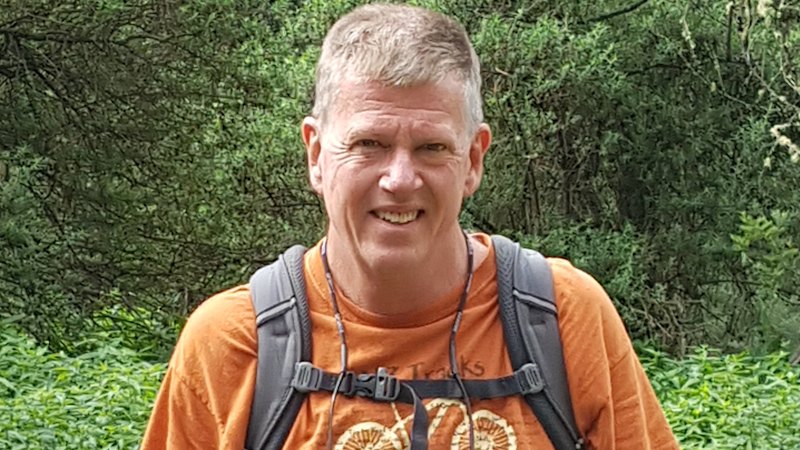
Police officers in New South Wales who investigate fire scenes face exposure to toxic residue, but they do not have the same cancer protections as firefighters.
Under state law, firefighters with at least 15 years of on-scene service are presumed to have developed certain cancers because of their work.
Police investigators instead have to prove that their jobs caused their illnesses.
Two long-serving investigators, Mark Bransgrove and Stephen Horn, died from bladder cancer, and two former colleagues have had similar diagnoses.
An occupational hygienist concluded that Bransgrove’s cancer was likely caused by long-term exposure to carcinogenic fire residue, while Horn’s death has not been deemed work-related.
The Police Association of NSW and families are calling for changes to the law, and the state government says it is open to hearing from them.
Bransgrove was recently added to the NSW Police wall of remembrance, but families say legal recognition and compensation protections also matter.

NSW Police fire investigators must prove their work caused their cancer, unlike firefighters who are covered by presumptive cancer laws.
A report by occupational hygienist Alan Rogers found Mark Bransgrove’s bladder cancer was likely caused by exposure to carcinogenic fire residue.
Rogers estimated police fire investigators’ risk of bladder cancer was up to 700 per cent higher than that of the public.
Bransgrove and colleague Stephen Horn both died from bladder cancer after decades of service.
The Police Association of NSW has joined families calling for changes to the Workers Compensation Act.
- Who
- NSW Police fire scene investigators, including Mark Bransgrove and Stephen Horn.
- What
- Families and the Police Association of NSW are seeking presumptive cancer protections for police investigators.
- When
- The editorial was published on October 12, 2026.
- Where
- New South Wales, Australia.
- Why
- Police investigators face exposure to fire residue but must prove their work caused their illness to qualify for compensation.
This story does not have two clearly opposing sides.
the obvious and tragic truth is that NSW Police fire investigators continue to be exposed to the same dangers as firefighters without the same safeguards
NSW Police overhauled its policies and introduced additional protective equipment for forensics officers.
Mark Bransgrove became the first forensic officer who died from his work to be added to the NSW Police wall of remembrance.
NSW Police acknowledged that Bransgrove’s work had caused his illness.
- Bransgrove’s service
- 17 years in crime scene investigations
- Horn’s service
- 44 years in the job
- Firefighter service threshold
- At least 15 years on-scene
- Firefighter cancer list
- 22 cancers
- Estimated risk for police fire investigators
- Up to 700 per cent higher than the public’s risk of bladder cancer
Sources
Related news

Greens seek to block US execution livestream from being viewed in Australia

Big tech donations and lobbying face scrutiny amid Australia datacentre boom

Greens seek stronger digital safety laws, including right to sue tech firms
Family seeks cancer-law change after former NSW detective dies
Rapid bus routes to Sydney’s new airport delayed as investment decision waits

NSW plans new lobbying rules covering local councils

Labor and Angus Taylor face political challenges before the summer break

Poll finds voters mainly blame Labor for Australia’s cost-of-living pressures
Australia delays ATO credit card payment ban until June 2027
Australia marks 25 years of military service in Afghanistan

Hanson attacks Taylor at Brisbane conservative conference but offers cooperation