Politics · Australia · 11 hrs ago
Family seeks cancer-law change after former NSW detective dies
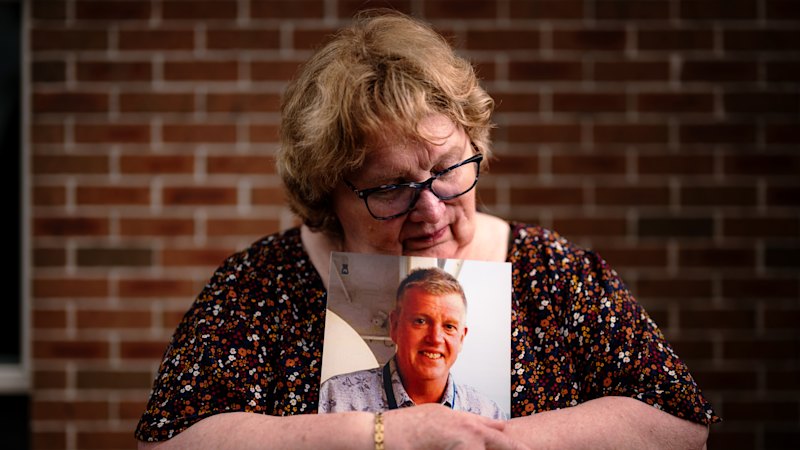
Mark Bransgrove was a NSW police detective who spent almost 20 years examining fire scenes for evidence.
Investigators in the 1980s and 1990s often searched for fire causes without standard face masks, sometimes smelling debris to detect chemicals such as petrol.
In early 2024, Bransgrove was diagnosed with advanced bladder cancer, and he died in July the following year.
A workplace hygiene report found his cancer was likely linked to long-term exposure to harmful fire residues.
NSW law presumes that certain cancers in firefighters are work-related, but police officers must prove their illness was caused by their work.
Bransgrove’s wife, Elizabeth, says treatment cost the family $130,000 and is campaigning, with support from the police union, for a change known as “Mark’s Law.”
The state government says it will keep monitoring the issue and is open to hearing from workers, families and unions about improvements.

Former NSW detective sergeant Mark Bransgrove died of cancer after almost 40 years serving the community.
His family believes the cancer was caused by nearly 20 years examining crime scenes and exposure to toxic fire residues.
A report by occupational hygienist Alan Rogers found the cancer was likely to have resulted from that exposure.
NSW law presumes some cancers in firefighters are work-related, but police officers must prove their work caused their illness.
Bransgrove’s wife, Elizabeth, is campaigning for a change known as “Mark’s Law”, with backing from the state’s police union.
- Who
- Former detective sergeant Mark Bransgrove, his wife Elizabeth, and the NSW police union.
- What
- Elizabeth is lobbying for changes to presumptive cancer laws so police officers can be covered.
- When
- Bransgrove died last July, according to the article. Elizabeth had been advocating for 15 months since his death.
- Where
- New South Wales, Australia.
- Why
- The family says Bransgrove’s cancer was likely caused by exposure to toxic residues at crime scenes, and police officers must prove their illness was work-related.
This story does not have two clearly opposing sides.
Mark’s life has got to matter
His life counts.
We will continue to monitor this closely and are open to hearing from workers, their families and unions about ways in which the system can be improved
Crime scene investigators were trained to use their sense of smell to help identify the cause of fires, and face masks were not standard issue.
NSW Police introduced additional protective equipment for forensics officers.
Bransgrove found blood in his urine and, within weeks, tests confirmed stage four urothelial carcinoma.
Bransgrove died of cancer, according to the article.
- Career
- Almost 40 years serving the community
- Crime-scene work
- Almost 20 years
- Diagnosis
- Stage four urothelial carcinoma
- Treatment cost
- $130,000 over 18 months
- Firefighter coverage
- 22 cancers are listed under the workers compensation presumption described in the article
Sources
Related news

Australia faces criticism over appeal to keep nuclear waste site details secret
Inquest examines whether agencies failed to protect girl from religious group

Real estate expert criticises Albanese and Chalmers over economic management
Former Liberal politician Bruce Baird farewelled at Sydney funeral

Greens seek stronger digital safety laws, including right to sue tech firms

ABC union challenges possible discipline of senior journalist
One Nation Victoria deputy defends AI campaign video amid racism criticism
Australia delays ATO credit card payment ban until June 2027

Campaign seeks easier way to turn off social media algorithms
WA education minister and universities disagree over merger plan
Nearly 78,000 older Australians may drop private cover by 2030 under proposed cuts