

Entertainment · Books & Arts · 8 hrs ago
Balinese Kecak performance brings the Ramayana to a Bengaluru mall

Balinese performers led by scholar and choreographer I Wayan Dibia staged Kecak at Orion Mall in Bengaluru.
They used a chorus of rhythmic “cak” chants to tell an episode from the Ramayana’s Sundarakanda, in which Hanuman finds Sita in Lanka.
Kecak is a Balinese vocal form, with performers relying on shared rhythm, listening and breath control rather than an orchestra or recorded music.
Its roots are in Sanghyang Dedari, a ritual performed when a village faced disruption or distress.
In the 1930s, dancer Wayan Limbak and German artist Walter Spies developed Kecak as an independent theatrical form combining ritual chants with Ramayana stories.
Dibia says Kecak is fundamentally a vocal form, not simply a “monkey dance,” as it is sometimes described.
The performance showed how a story familiar to Indian audiences is also part of Balinese culture, where Hanuman is revered.

Balinese artistes brought the Kecak vocal performance to Orion Mall in Bengaluru, presenting an episode from the Ramayana.
Led by scholar and choreographer I Wayan Dibia, the performance depicted Hanuman finding Sita in Lanka and receiving her choodamani.
The performers used rhythmic “cak” chants to create the soundscape, rather than an orchestra or recorded soundtrack.
Dibia described Kecak as a Balinese vocal chanting form, not a dance about monkeys.
The performance also highlighted Kecak’s connections to the Sanghyang Dedari ritual and its development as theatre in the early 20th century.
- Who
- Balinese artistes led by scholar and choreographer I Wayan Dibia performed Kecak.
- What
- They presented an episode from the Ramayana’s Sundarakanda, in which Hanuman finds Sita in Lanka.
- When
- Not stated
- Where
- Orion Mall in Bengaluru.
- Why
- The episode was presented to show how Hanuman is revered in both Indian and Balinese cultures.
This story does not have two clearly opposing sides.
That’s exactly the essence of Kecak, a vocal chanting form that belongs to Bali. The voice becomes central, with each performer creating multiple layers of rhythmic patterns.
The essence of Kecak is not about dancing like a monkey but the vocal chanting with different rhythmic patterns.
Kecak developed into an independent theatrical form drawing on chants associated with the Sanghyang ritual and episodes from the Ramayana.
The Hindu reported that Balinese artistes performed Kecak at Orion Mall in Bengaluru.
- Venue
- Orion Mall, Bengaluru
- Performance
- Episode from the Ramayana’s Sundarakanda
- Lead artist
- I Wayan Dibia
- Award
- Padma Shri in 2021
- Sound
- Rhythmic “cak” chants led by performers in black-and-white checked sarongs
Sources
Related news

Sacha Baron Cohen to star in Tarantino’s first West End play
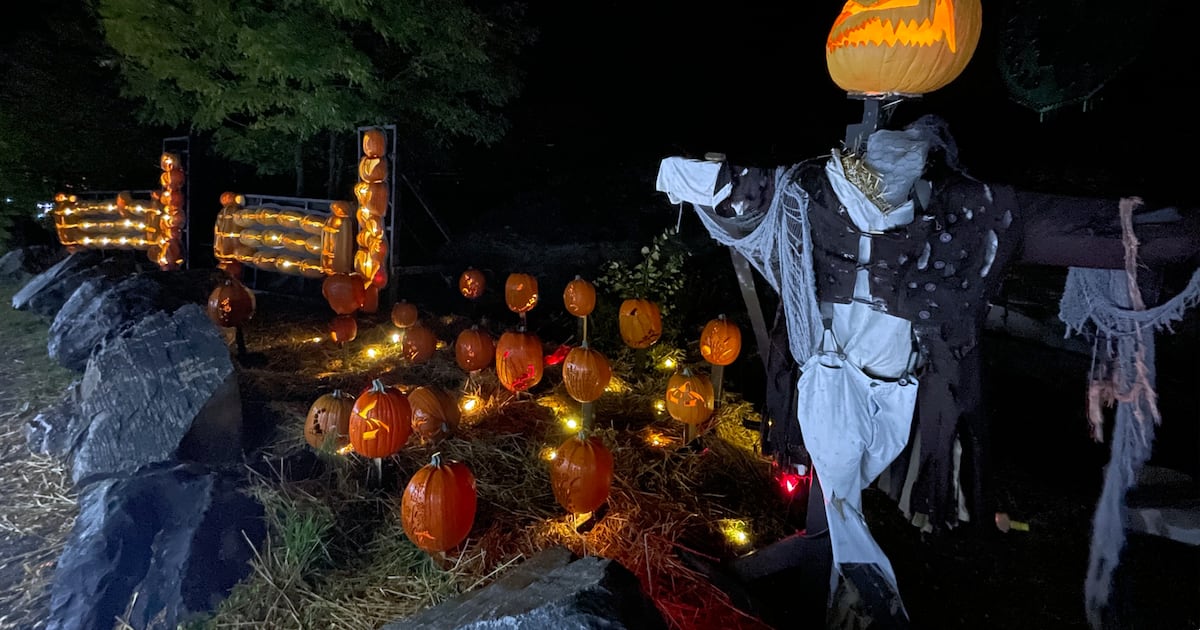
Pumpkinferno returns to Dynamic Earth with more than 7,000 pumpkins

Tarek Atoui fills Tate Modern’s Turbine Hall with sound and sculpture

Frieze London grows to 176 galleries from 43 countries

HBO is developing an eight-episode Crazy Rich Asians series

Two galleries will pair works by Leonora Carrington and Cecilia Vicuña

London gallery shows share an uncanny quality

Anne Carson wins 2026 Nobel Prize in Literature
Sacha Baron Cohen to star in Tarantino’s first stage play

Ian Rankin says he turned down a chance to write a James Bond novel

Artists turn videos from retired Google AI model into new work
