

Business · Companies · 2 hrs ago
South Korea weighs wider patent discovery amid trade secret concerns

South Korea is considering expanding a system that would make companies provide evidence during patent lawsuits.
The proposed rules could allow court-appointed experts to inspect sites, preserve records and take testimony outside court.
Supporters say this could help patent owners who struggle to obtain evidence held by another company.
The debate comes as South Korean firms faced 558 patent lawsuits abroad from 2020 through July 2025, with large companies accounting for 81.2% of the cases.
Critics say wider access to records could expose trade secrets in sensitive areas such as semiconductors and communications.
They also say the government needs better estimates of the costs for businesses and stronger safeguards against misuse of confidential material.
The intellectual property agency says it plans to study trade-secret management costs, while a law introducing some evidence-gathering measures in subcontracting relationships is due to take effect in February 2028.
Georgia

South Korea is considering expanding a domestic-style evidence-discovery system across patent lawsuits, raising concerns that sensitive technology and trade secrets could be exposed.
The proposed system would allow court-appointed experts to inspect sites, preserve evidence and take depositions outside court.
From 2020 through July 2025, South Korean companies faced 558 patent lawsuits overseas, with 453 cases involving large companies.
In the United States in 2024, non-practicing entities brought 78 of the 97 patent lawsuits against South Korean companies.
Lawmakers and government bodies have called for safeguards, cost estimates and stronger protections before any broader rollout.
- Who
- South Korea’s Intellectual Property Office is pursuing the expansion; companies, including Samsung Electronics and SK Hynix, could be affected.
- What
- The government is considering extending evidence discovery to patent-infringement lawsuits generally. Critics warn that the process could expose trade secrets.
- When
- The proposal is under consideration. A separate law covering commissioned and subcontracted transactions is due to take effect in February 2028.
- Where
- South Korea; the concerns include overseas patent lawsuits, particularly in the United States.
- Why
- The system is intended to help patent holders obtain evidence held by opposing parties. Critics say safeguards are needed to prevent leaks and address costs.
South Korea’s Intellectual Property Office
Choi Su-jin and other critics
Access to evidence
South Korea’s Intellectual Property Office
The system could ease the burden on companies seeking evidence in patent-infringement cases.
Choi Su-jin and other critics
Wider access to company-held materials could expose sensitive technology and trade secrets.
Expansion
South Korea’s Intellectual Property Office
The office is pursuing expansion of evidence discovery across patent lawsuits.
Choi Su-jin and other critics
Choi says broader expansion should be considered cautiously after the separate law’s results are assessed.
Safeguards
South Korea’s Intellectual Property Office
The proposal includes expert fact-finding, evidence-preservation orders and depositions outside court.
Choi Su-jin and other critics
Critics call for disclosure of litigation funding and beneficial owners, limits on use of materials, effective penalties and better cost estimates.
South Korean companies faced 558 patent lawsuits overseas during this period.
Non-practicing entities brought 78 of the 97 patent lawsuits filed against South Korean companies in the United States.
An amended Attorney-at-Law Act establishing attorney-client privilege is scheduled to take effect.
The law introducing expert fact-finding and evidence-preservation orders for commissioned and subcontracted transactions is scheduled to take effect.
- Overseas patent lawsuits
- 558 against South Korean companies from 2020 through July 2025
- Cases involving large companies
- 453, or 81.2% of the total
- US NPE lawsuits
- 78 of 97 cases against South Korean companies in 2024
- Estimated fact-finding cost
- About 6 million won per case, based on one expert
- Estimated market-wide cost
- About 600 million won under the 2019 estimate
What people are saying
I strongly agree with the goal of helping patent holders who suffer because evidence is unevenly distributed and supporting small and medium-sized enterprises.
We must never allow foreign capital of unclear origin to gain unprotected access to materials in our own backyard.
The Intellectual Property Office must provide an evidence-based estimate of costs for domestic companies and firmly establish three layers of safeguards before implementation.
Sources
Related news

Hyundai Green Food adds care support for employees’ older relatives

APR shares fall as forecast points to weaker-than-expected third-quarter profit

Shoemarker shoes to be available for delivery through Baemin in South Korea

Samsung Electro-Mechanics executive honored for MLCC technology work

Broadcom and Intel CEOs warn funding could limit AI growth
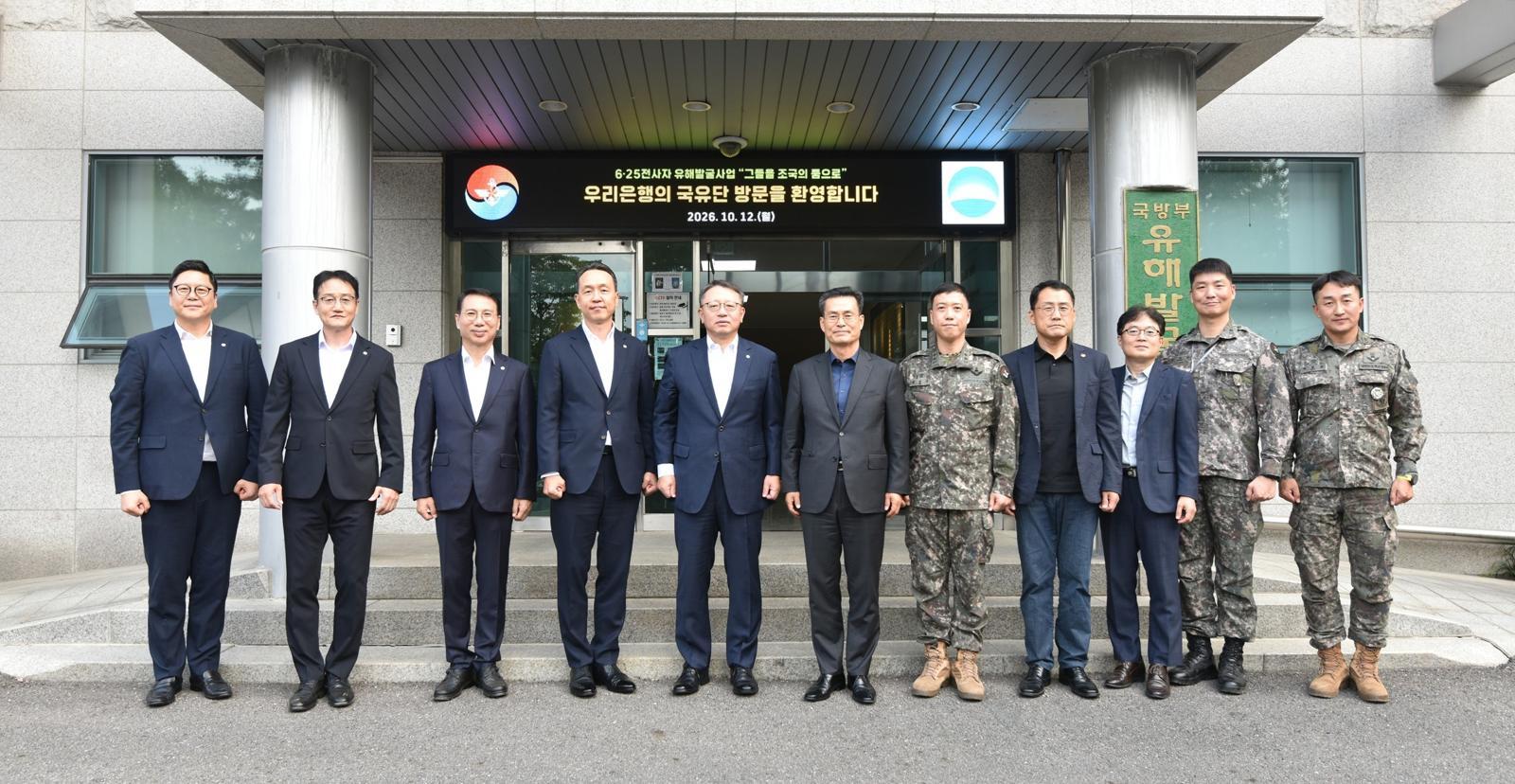
Woori Bank gives 10 million won to military remains recovery agency

KIWOOM ETF to pay 146 won per share in October distribution

Southeast Asia emerges as a market for South Korea’s KF-21 fighter

KOSPI triggers five-minute trading halt as losses exceed 4%
South Korea’s Kospi falls more than 6% below 6,000

Won trades in the 1,330s as Samsung dividend and US rates pose risks
