

Business · Energy & Commodities · 20 hrs ago
Sikkim’s black cardamom farms struggle as global demand grows
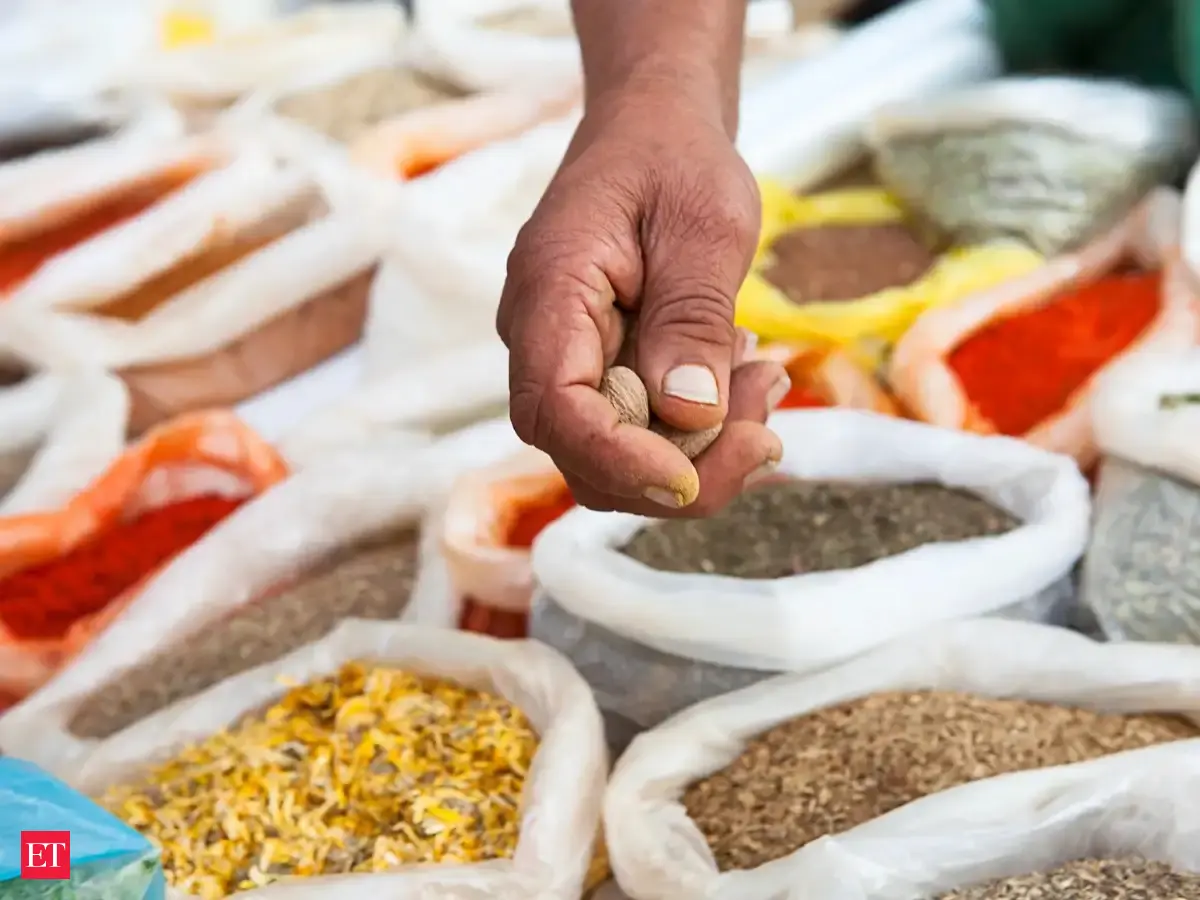
Large black cardamom is a smoky spice used in dishes such as biryani and meat meals.
It grows under tree shade in the Eastern Himalayas, and for many farmers in Sikkim it was once a major source of income.
Sikkim’s plantations have been hit by disease, warmer winters and less predictable rainfall, and plants are dying years earlier than expected.
Repeated use of the same plant stock, declining soil health, shrinking forest shade and limited irrigation have added to the strain.
India, once the world’s leading producer, now accounts for about 22% of global production, while Nepal produces nearly 68%.
Global demand is still growing, and the market is forecast to rise from $250 million in 2025 to $480 million by 2033.
The article gives no specific next steps for restoring Sikkim’s plantations.

Sikkim’s black cardamom farms are struggling with crop disease, changing weather and declining plantation health, even as global demand for the spice grows.
India now produces about 22% of the world’s large cardamom, while Nepal produces nearly 68%.
Sikkim’s production rose to 5,591 tonnes in 2024-25, but remained below its 5,600 tonnes in 2003-04.
India’s annual black cardamom exports have fallen to around 1,200 tonnes, down from 5,000-6,000 tonnes in the early 2000s.
The global market could grow from $250 million in 2025 to $480 million by 2033.
- Who
- Sikkim’s black cardamom farmers are struggling; Nepal has become the leading producer.
- What
- Plantations are failing amid disease and climate stress as global demand for large cardamom grows.
- When
- The decline has unfolded over decades; the article was published on 11 October 2026.
- Where
- Sikkim, in the Eastern Himalayas, India.
- Why
- Warmer winters, less predictable rainfall, crop diseases, repeated use of the same plant genetics, declining soil health, shrinking forest shade and limited irrigation are cited.
This story does not have two clearly opposing sides.
A prolonged drought in the mid-2000s weakened the crop so severely that normally harmless fungi inside the plant turned aggressive, triggering widespread disease.
What we are seeing is not a single disease problem. It is a complex interaction between climate stress, soil health, plant genetics and microbial behaviour. That is why simple solutions have not worked.
India exported 5,000-6,000 tonnes of large cardamom annually to more than 20 countries.
Sikkim produced 5,600 tonnes of black cardamom.
Sikkim’s production had fallen to 2,500 tonnes.
Sikkim’s production reached 5,591 tonnes, still below its 2003-04 level.
The global large cardamom market was valued at $250 million.
The global market could reach $480 million.
- Sikkim production, 2003-04
- 5,600 tonnes
- Sikkim production, 2010
- 2,500 tonnes
- Sikkim production, 2024-25
- 5,591 tonnes
- India’s share of global production
- 22%
- Nepal’s share of global production
- Nearly 68%
- Global market forecast, 2033
- $480 million
Sources
Related news
India opens dollar window for oil companies to support the rupee

Musk says Starlink will be affordable in India as it seeks to compete with Jio

DMart Q2 profit rises 8.5% as revenue grows 17.8%

Hyundai nears 10 million cumulative vehicle sales in India

Amitabh Kant urges India to cut bank liquidity ratio to boost manufacturing

SEBI expects derivative expiry-price guidelines within a week

Musk criticizes Ambani as Starlink awaits approval to launch in India

Vellore job fair draws more than 2,000 participants and 100 companies

Musk renews criticism of Ambani over Starlink’s planned India launch

White paper examines AI’s effects on India’s workforce
Tea Board plans changes to make India’s tea auctions more efficient
