World · Europe · 8 hrs ago
Merz rejects Irish proposal for the EU’s 2028–2034 budget
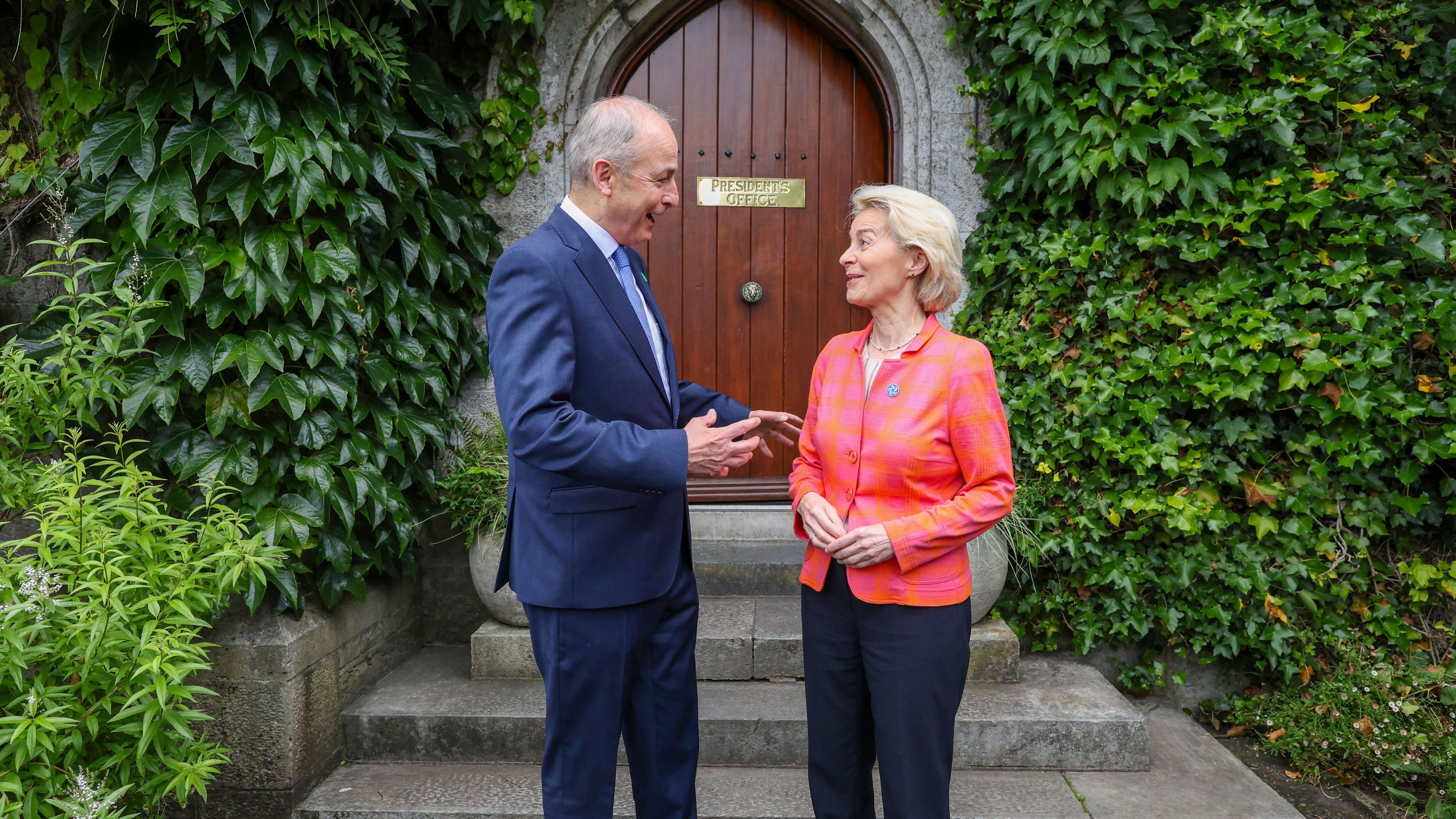
The EU is negotiating its long-term budget for 2028 to 2034.
Germany’s Chancellor Friedrich Merz has rejected a new proposal from Ireland, which currently holds the EU Council presidency.
The plan would cut about €159 billion from the European Commission’s original proposal, leaving a budget of about €1.826 trillion.
Germany, the Netherlands, Sweden and Austria want cuts of several hundred billion euros because they contribute more to the EU budget than they receive back.
They also object to how the proposed cuts would affect spending on research, competitiveness, defence and other areas, while agriculture and regional support would largely be protected.
Ireland says many member states want to protect funding for agriculture and regional development, and that no country will get everything it wants.
EU leaders are due to discuss the proposal in Brussels next Thursday and Friday, but a deal by the end of the year is now uncertain.

German Chancellor Friedrich Merz rejected an Irish proposal for the EU’s 2028–2034 budget, saying its proposed size could not provide a basis for agreement.
The plan would cut about €159 billion from the European Commission’s original proposal, leaving a budget of about €1.826 trillion.
Germany and other net-payer countries have called for cuts of several hundred billion euros.
They also object to the proposed distribution of cuts, which would reduce funding for areas including competitiveness, research and defence while largely protecting agriculture and cohesion.
EU leaders are expected to discuss the proposal at a summit in Brussels on Thursday and Friday.
- Who
- German Chancellor Friedrich Merz rejected the proposal; it was put forward by Ireland’s EU Council presidency.
- What
- The proposal is for the EU’s 2028–2034 long-term budget. Merz said its size could not serve as a basis for agreement.
- When
- Merz rejected it on Saturday, within hours of its publication. The articles were published on 10 and 11 October 2026.
- Where
- The proposal was presented in Brussels; Merz’s rejection was announced in Berlin.
- Why
- Germany and other net payers want deeper cuts and object to how the proposed cuts are distributed.
Germany and other net payers
Irish EU Council presidency
Budget size
Germany and other net payers
Germany and other net payers want cuts of several hundred billion euros.
Irish EU Council presidency
Ireland’s proposal cuts about €159 billion from the Commission’s original plan, leaving about €1.826 trillion.
Spending priorities
Germany and other net payers
Germany objects to cuts hitting competitiveness, research, defence, and foreign and development policy while agriculture and cohesion are largely protected.
Irish EU Council presidency
Ireland says a very large majority of member states wanted national allocations for agriculture and cohesion not to be cut further.
The size of the new proposal is not a basis for an agreement.
We are still a long way from an agreement.
Nobody will get everything they wanted. But we believe there is something in it for all member states.
We urgently need more financial realism and less financial La-La Land.
Ireland’s EU Council presidency presented its proposal for the 2028–2034 budget in Brussels.
Merz rejected the proposal within hours of its publication.
EU leaders are expected to discuss the proposal at a summit in Brussels.
EU Council President António Costa is expected to take over the negotiations.
- Budget period
- 2028–2034
- Proposed reduction
- About €159 billion from the European Commission’s original proposal
- Proposed budget total
- About €1.826 trillion
- Net-payer countries named
- Germany, the Netherlands, Sweden and Austria
- Planned discussion
- EU summit in Brussels on Thursday and Friday
Sources

Offener Streit um EU-Budget: Merz lehnt auch neuen Plan ab

Streit um EU-Haushalt: Merz lehnt auch neuen Vorschlag ab

Ringen um Billionensumme: Streit um EU-Haushalt: Merz lehnt auch neuen Vorschlag ab
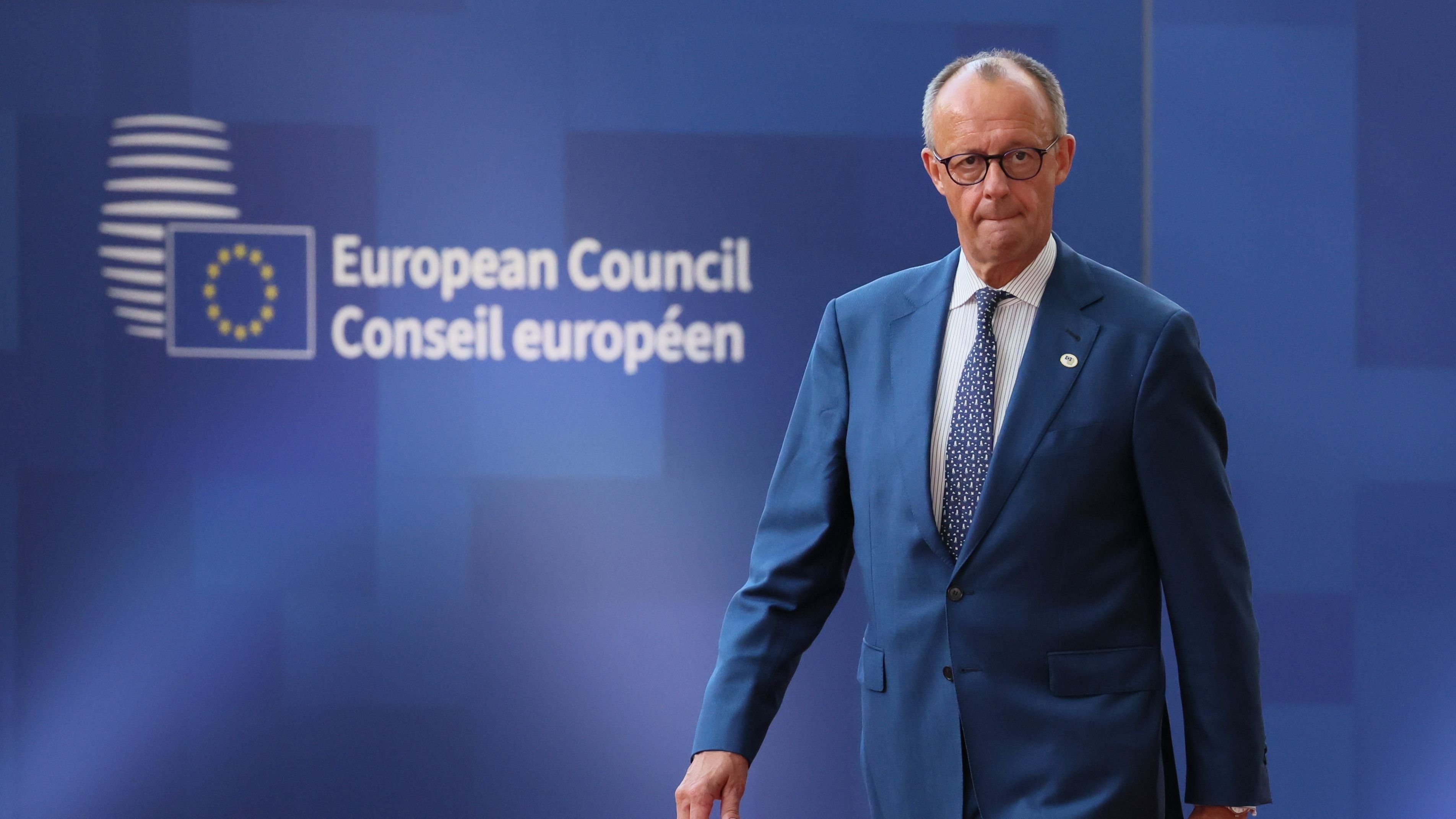
EU-Haushalt: Merz lehnt neuen Vorschlag zum EU-Finanzplan ab
EU-Haushalt: Neuer Budget-Plan verschärft Streit mit Nettozahlern
Related news

Trump says Russia and Ukraine agreed to energy ceasefire
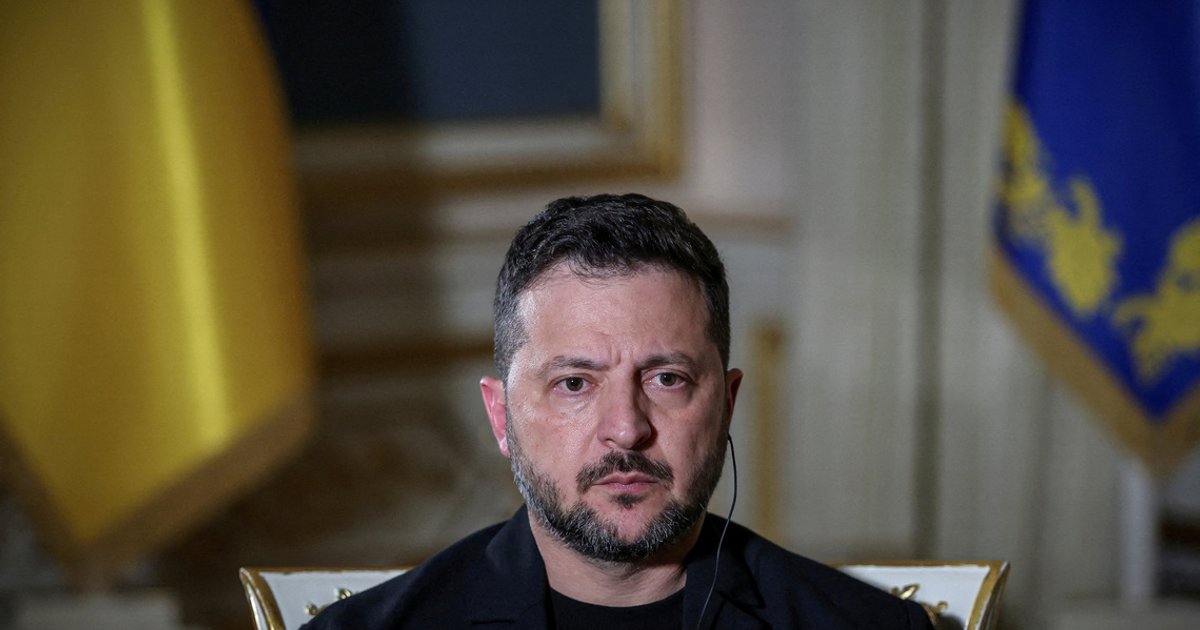
Zelensky says Ukraine can hold elections after a 60-day ceasefire

Trump announces energy ceasefire, but Ukraine says it was not consulted

Russia attacks Kyiv energy infrastructure as Trump claims ceasefire reached
Suspect arrested over planned attack on Polish Prime Minister Donald Tusk

U.S. eases sanctions on Russian diesel sales after Trump-Putin deal

Five deer die after eating uncooked rice in Maasland
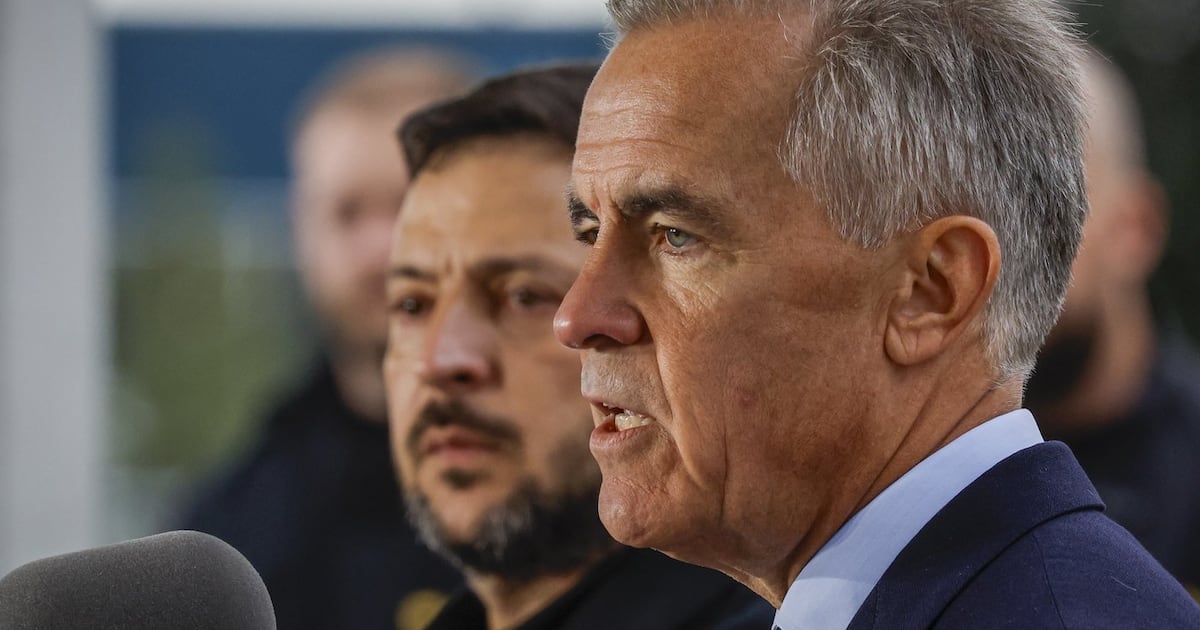
Carney says U.S.-Russia diesel deal hurts Ukraine peace efforts

Trump calls for Ukraine to replace Zelenskyy over Russian diesel deal
US reportedly threatens to halt some weapons supplies and intelligence sharing with Ukraine

Trump calls for Ukraine to stop attacks on refineries as ceasefire remains uncertain