Business · Trade · 5 hrs ago
Turkish carpet exporters say Gulf shipments are blocked by transit delays

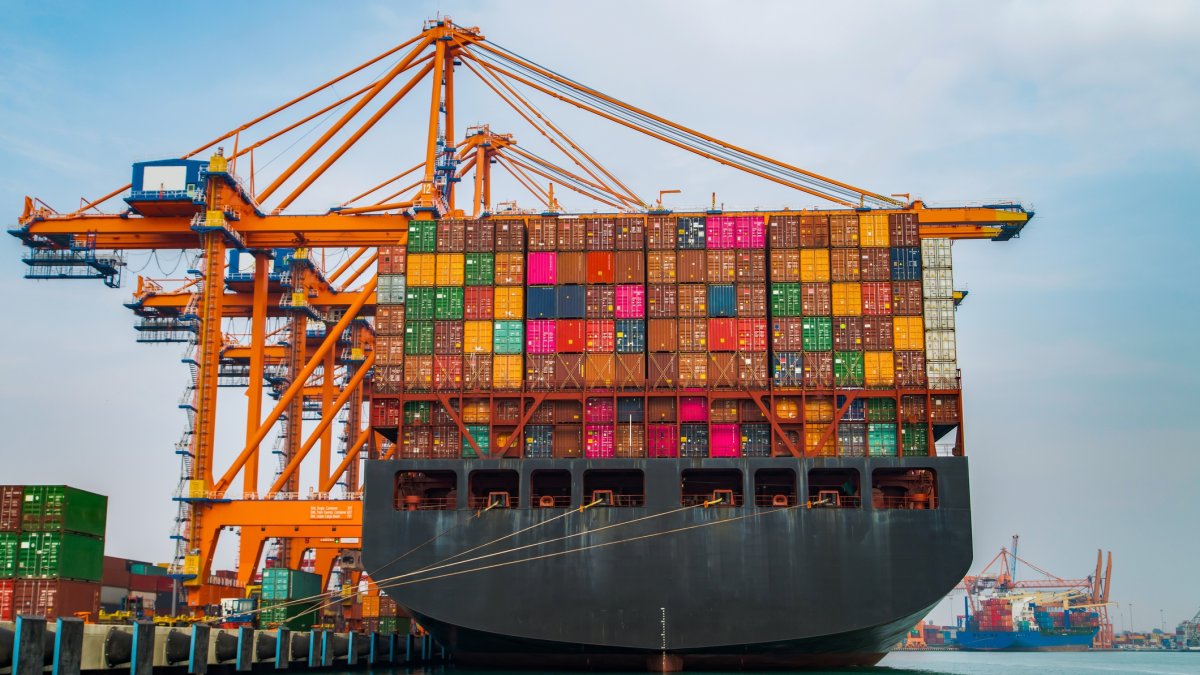
Turkish carpet exporters say shipments to Gulf markets are being delayed.
They say sea routes were closed amid war and regional tensions involving Iran, the United States and Israel, pushing exports onto roads.
The trucks use a route through Turkey, Syria, Jordan and Saudi Arabia to reach Saudi Arabia and other Gulf countries.
The exporters’ group says delays in Saudi transit visas have caused long truck queues at Syrian border crossings.
It says goods are piling up in factories while buyers wait, and that road shipping costs have risen above $10,000 per truck, compared with $1,000 to $1,500 per sea container.
The group warns that the delays affect Turkish exporters beyond the carpet industry and could harm their ability to compete in Gulf markets.
It is calling on Turkey’s trade and foreign ministries to press Saudi authorities to speed up the visa process.

Turkish carpet exporters say delays to transit visas and queues on a key route are holding up shipments to Gulf markets.
İskender Kaplan, head of the Turkish Exporters Assembly’s Carpet Sector Board, said Saudi Arabia was slowing or not issuing transit visas for truck drivers.
The delays have left trucks queued at Syrian border crossings and goods waiting in factory warehouses, he said.
Kaplan said road freight costs had risen above $10,000, compared with $1,000 to $1,500 per container by sea.
He urged Turkey’s trade and foreign ministries to press Saudi authorities to speed up the visa process.
- Who
- Turkish carpet exporters, represented by İskender Kaplan, head of the Turkish Exporters Assembly’s Carpet Sector Board.
- What
- Gulf-bound shipments are delayed amid transit visa problems and truck queues.
- When
- The article was published on October 11, 2026; the start date of the delays is not stated.
- Where
- The Türkiye–Syria–Jordan–Saudi Arabia corridor, serving Gulf markets.
- Why
- Kaplan cited war and geopolitical tensions involving Iran, Israel and the United States, sea-route closures, and delays in Saudi transit visas.
This story does not have two clearly opposing sides.
This problem is not only the nightmare of the carpet sector, but of all Turkish exports sending goods to the Middle East.
Our warehouses are full; we have become unable to produce new goods.
The Trade Ministry and Foreign Ministry must act urgently to solve this crisis and sit down with Saudi officials to speed up the visa process.
Exporters shifted shipments to the Türkiye–Syria–Jordan–Saudi Arabia corridor, Kaplan said.
Kaplan said transit visa delays had caused truck queues at Syrian border crossings and left Gulf-bound goods waiting in warehouses.
- Road freight cost
- More than $10,000
- Sea freight cost
- $1,000 to $1,500 per container
- Transit corridor
- Türkiye–Syria–Jordan–Saudi Arabia
- Affected Gulf markets
- Qatar, Kuwait, United Arab Emirates, Bahrain, Oman and Yemen
Sources
Related news

Türkiye and Northern Cyprus plan to link electronic payment systems

Türkiye’s fresh vegetable exports reach $822.7 million in nine months

Istanbul earns more than $800 million from congress tourism since 2022

Türkiye’s watch market estimated at $1.5 billion
Turkey raises Iller Bank’s capital to 250 billion lira

TVF subsidiary signs deal to take over Ziraat Katılım and Halk Katılım

Turkey extends company loss calculation relief to 2028
Turkey’s central bank cancels Parakolay’s operating licence
Türkiye’s industrial production falls 1.9% in August
Turkey’s TMSF opens applications for 75 jobs in Istanbul

Prosecutors seek restrictions on assets linked to 85 people in fund probe