Politics · Other · 9 hrs ago
Kurdish leader urges Syria to protect Kurdish rights in constitution
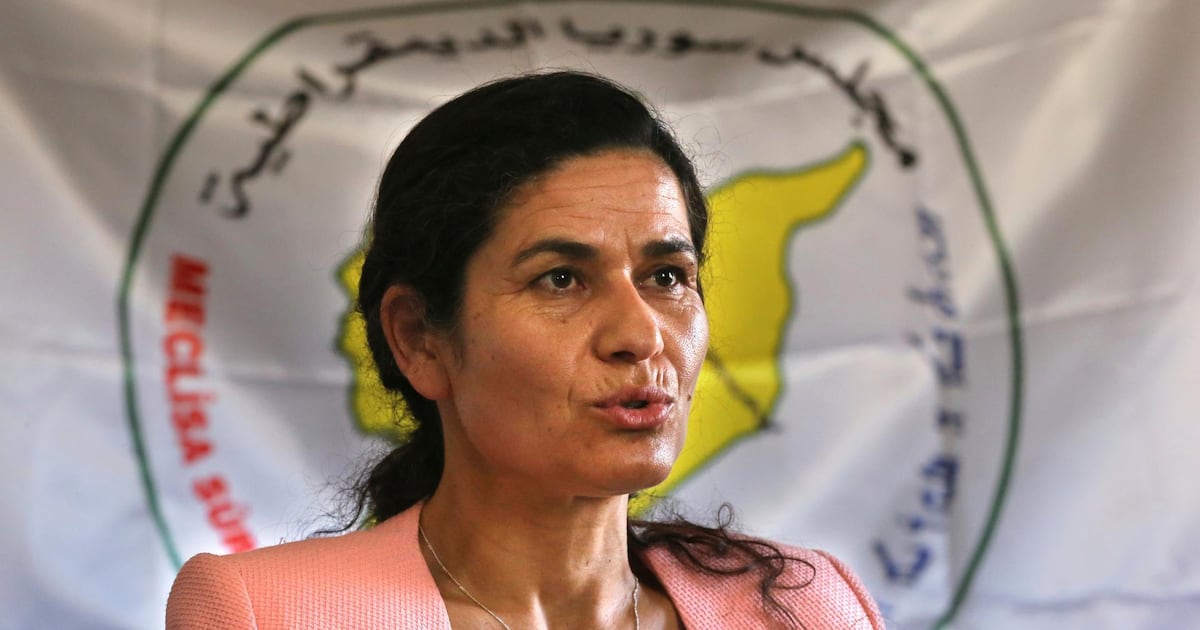
Syrian Kurdish leader Ilham Ahmed says the country’s constitution should guarantee the rights of its Kurdish community, Syria’s largest ethnic minority.
She spoke as Kurdish-led forces and institutions are being integrated into the Syrian state under President Ahmad Al Shara.
A January agreement between Damascus and the Syrian Democratic Forces set out a path for integration and promised linguistic and cultural rights and political representation.
A presidential decree recognised Kurdish as a national language and allowed it to be taught in Kurdish-populated areas, but Ahmed says the right to Kurdish-language education is not yet fully in place.
Restrictions on Kurdish instruction have prompted protests by students and teachers in parts of north-east Syria.
Ahmed says the move towards a more centralised state could fuel tension and that women’s participation in institutions and decision-making is declining.
She says the government must put the promised rights into practice and establish ways to ensure stability.

Syrian Kurdish leader Ilham Ahmed has called for Kurdish rights to be guaranteed in Syria’s constitution.
She warned that a move towards a more centralised state could fuel tension.
Ahmed said the integration of Kurdish-led forces into Syria’s military had made significant progress but was still being tested.
She said Kurdish-language education rights remained incomplete and called on the government to put promised measures into practice.
The article reports protests in north-east Syria over restrictions on teaching in Kurdish.
- Who
- Ilham Ahmed, a Syrian Kurdish leader and member of the Syrian parliament’s foreign relations committee.
- What
- She called for Kurdish rights to be guaranteed in Syria’s constitution and warned that centralisation could increase tensions.
- When
- She spoke at the Middle East Research Institute Forum; the article was published on October 12, 2026.
- Where
- The forum was in Erbil, Iraq. The reported education protests were in north-east Syria.
- Why
- Ahmed said rights and protections were needed to address discrimination, preserve Kurdish identity and help ensure stability.
Ilham Ahmed
Syria’s new authorities
Constitutional rights
Ilham Ahmed
Ahmed called for Kurdish rights to be guaranteed in Syria’s constitution.
Syria’s new authorities
The article says the government has issued a decree recognising Kurdish identity and language, but does not state its position on Ahmed’s call for constitutional guarantees.
Kurdish-language education
Ilham Ahmed
Ahmed said the right to education in Kurdish remained incomplete and called for measures to implement the decree.
Syria’s new authorities
The Education Ministry limited instruction in Kurdish, prompting protests, according to the article.
Decentralisation
Ilham Ahmed
Ahmed argued that decentralisation should not be treated as a threat to Syria’s unity.
Syria’s new authorities
The article says the state is moving towards greater centralisation but does not give the authorities’ reasons or response.
Damascus and the Syrian Democratic Forces reached an agreement to end hostilities and map out the integration of north-east Syria into state institutions.
President Ahmad Al Shara issued a decree recognising Nowruz as a national holiday and Kurdish as a national language that could be taught in Kurdish-populated areas.
Mazloum Abdi announced in Qamishli that the integration of the Kurdish administration into state institutions was complete.
Ilham Ahmed spoke at a forum in Erbil and called for Kurdish rights to be guaranteed in Syria’s constitution.
- Speaker
- Ilham Ahmed
- Forum location
- Erbil, Iraq
- Integration agreement
- Damascus and the Syrian Democratic Forces reached a deal in January
- Integration announcement
- Mazloum Abdi said it was complete in August
- Kurdish-language protests
- Hasakah, Qamishli and Kobani
- Article publication
- October 12, 2026
What people are saying
Today, we are seeing that despite the merging process, there is a regression in the role of women and in their roles and participation in institutions and in decision making process
In general, when we talk about decentralisation in Syria, it’s like we’re talking about the devil
Sources
Related news
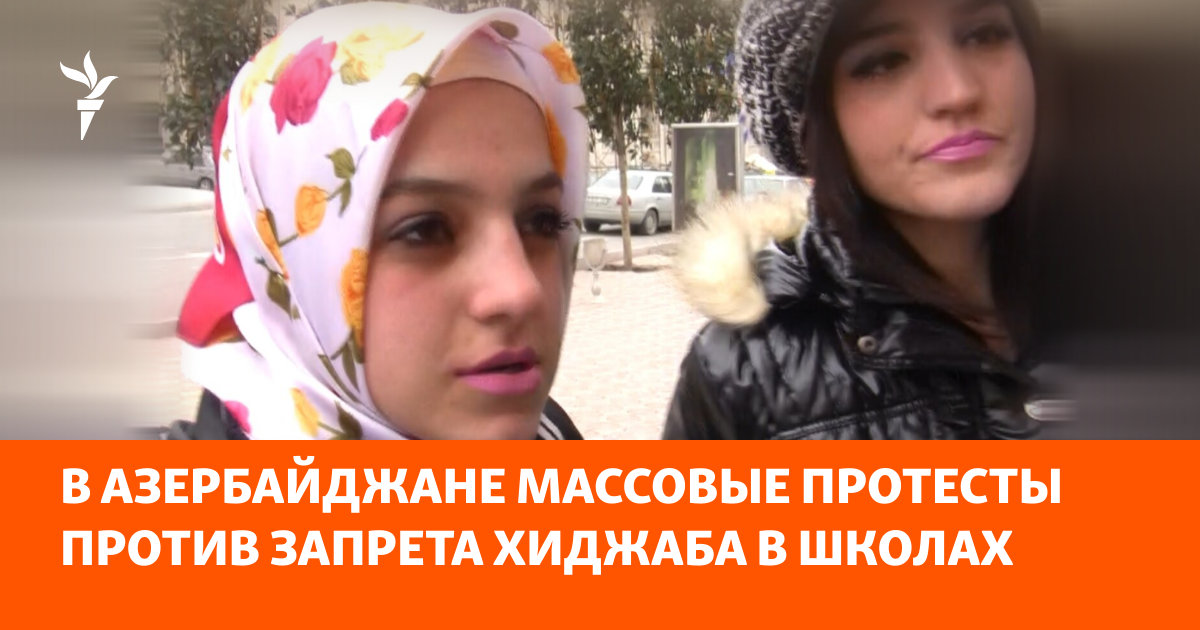
Protests in Azerbaijan over school hijab rules; 37 people detained

Lagos court rejects hospital bid to stop inquest into toddler’s death

Enugu NDC rejects government claim about airport gathering
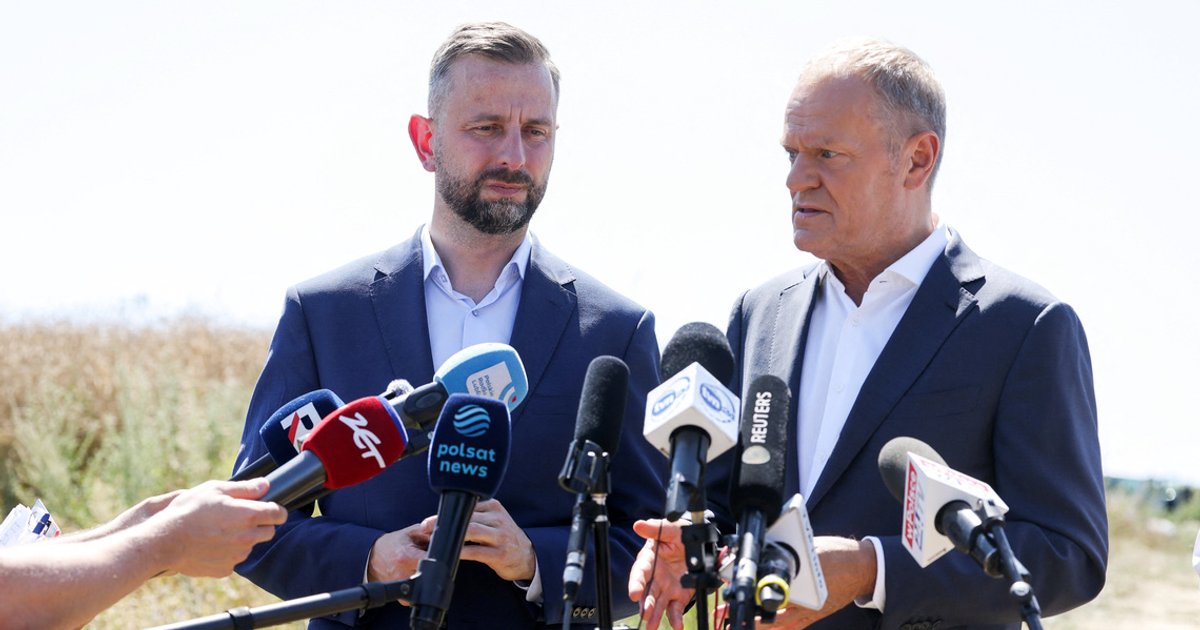
Poland detains man over alleged plot against Tusk and defense minister

Pakistan declares emergency in province governed by Imran Khan's party

Nigeria says it will expand technology and intelligence to tackle insecurity

Hitler Mussolini Simeon Flores elected mayor in Peru

Abbas postpones Palestinian elections until September 2027

Thailand plans early-retirement program to reduce public workforce
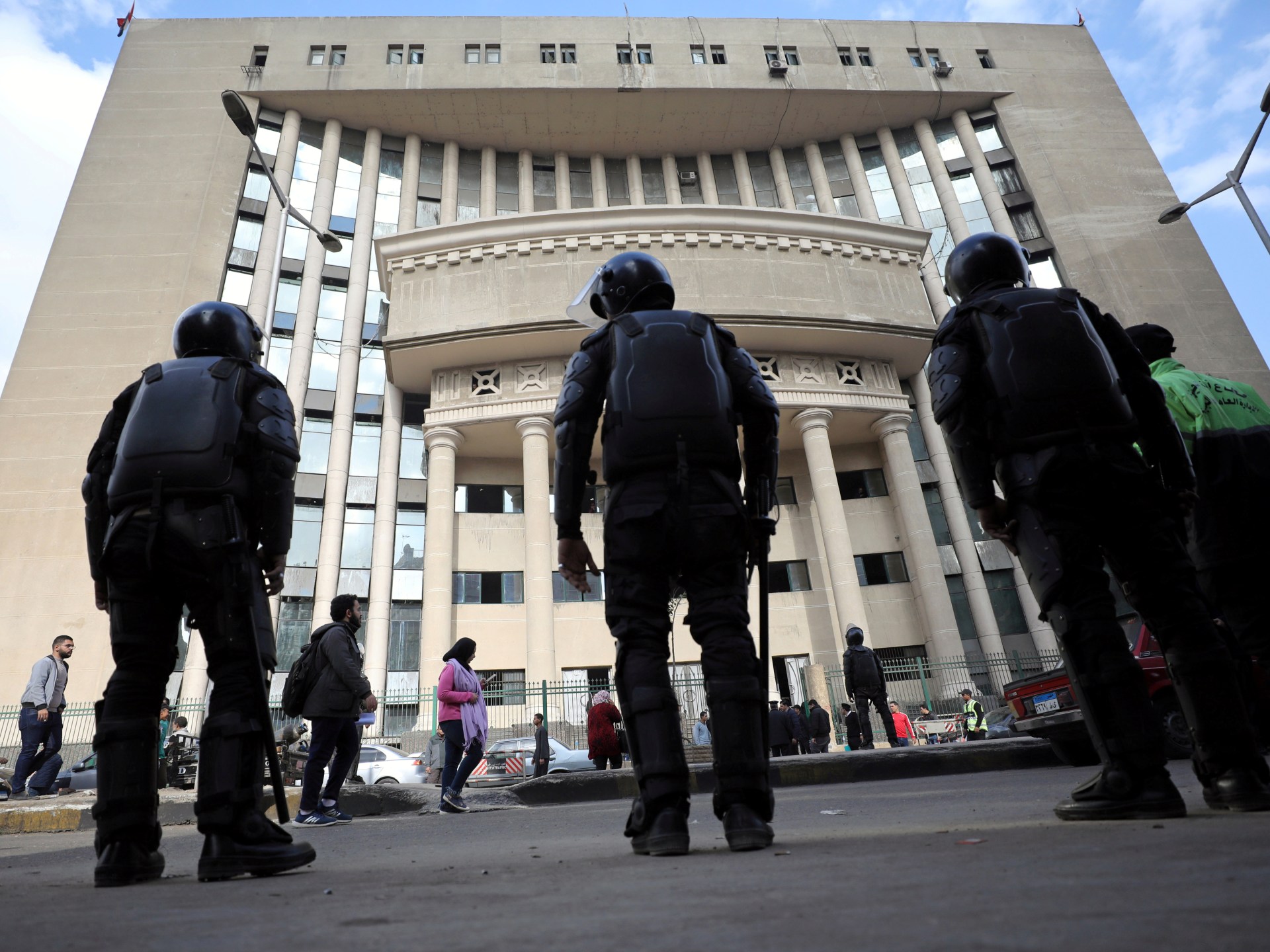
Egypt journalists' union chief defends detained Matsadaash reporters
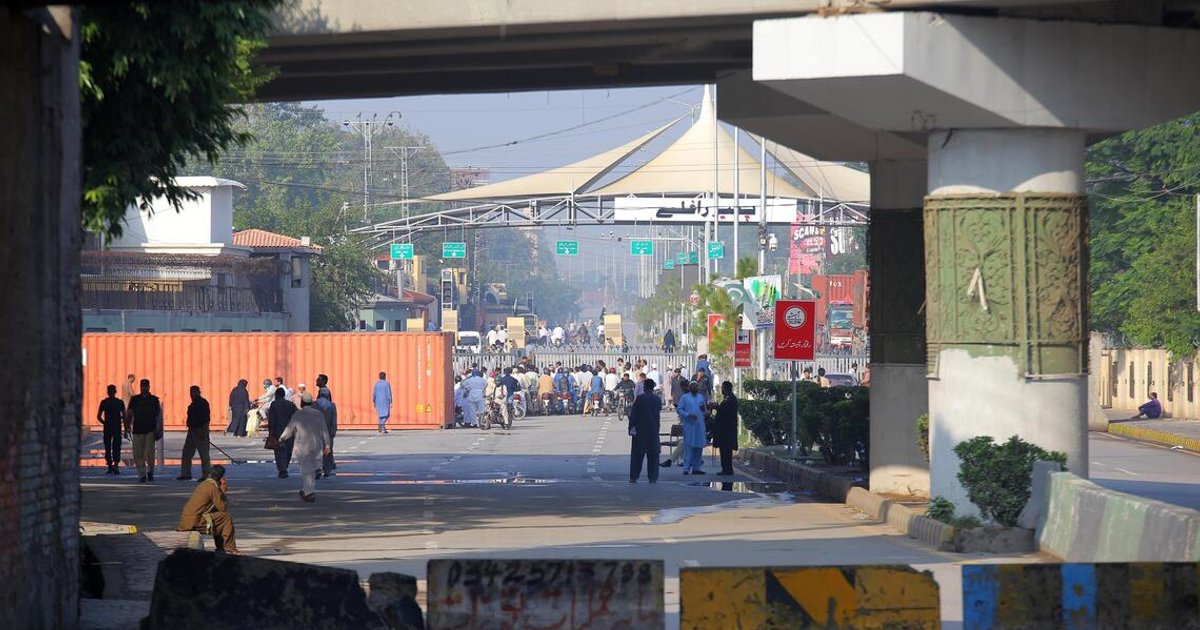
Pakistan detains 278 members of Imran Khan’s party under emergency rule