

Politics · India · 2 hrs ago
RTI activist says India’s transparency law is under strain
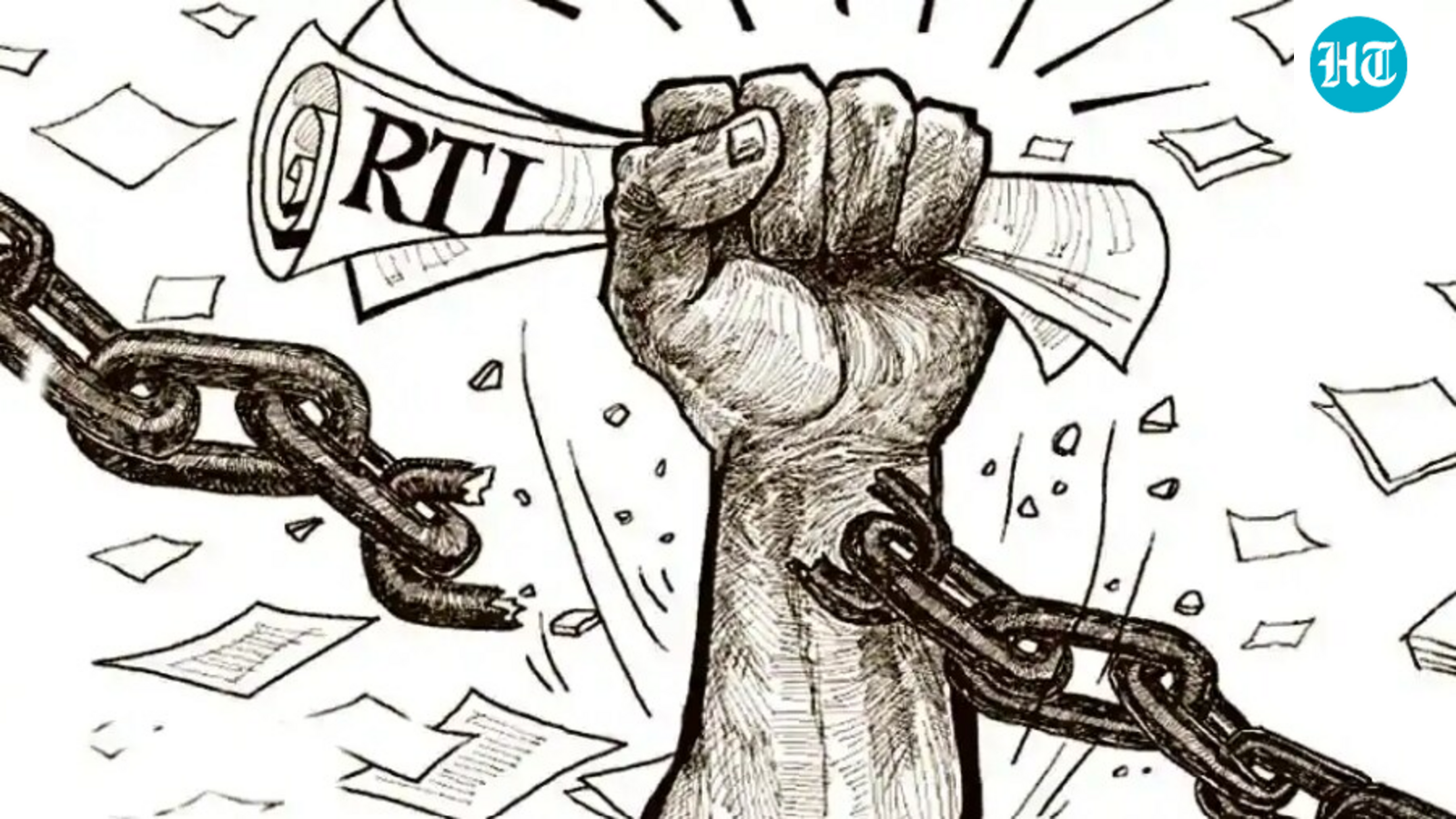
India’s Right to Information Act came into force on October 12, 2005, giving citizens a legal right to question the state.
The law grew from a movement in Rajasthan, where villagers used public hearings to compare government records with what they knew.
Nikhil Dey, a co-founder of the movement group MKSS, says the law has helped people across India seek information and expose problems.
He says the law is under strain because information commissions have vacancies and a 2019 change gave the central government control over commissioners’ tenure and salaries.
Dey also warns that the Digital Personal Data Protection Act could restrict access to information.
He says many digital government records are hidden behind logins available only to officials, contrary to the aim of making information public.
Dey and other activists are pushing to remove those logins, and he points to Rajasthan’s Jan Soochna portal as an example of government information being made public online.

India’s Right to Information Act is under strain, says activist and Mazdoor Kisan Shakti Sangathan co-founder Nikhil Dey.
Dey says vacancies in information commissions and changes made by the Digital Personal Data Protection Act have weakened the transparency system.
He says government records placed behind administrative logins are inaccessible to the public, contrary to the law’s aim.
The RTI Act came into force on October 12, 2005, giving Indian citizens the legal right to question the state.
Dey says people who use RTI continue to defend the law and find creative ways to use it.
- Who
- RTI activist and MKSS co-founder Nikhil Dey.
- What
- Dey says India’s transparency law is under strain from commission vacancies, legal changes and restricted access to digital records.
- When
- The interview was published on October 13, 2026. The RTI Act came into force on October 12, 2005.
- Where
- India; the RTI movement began in villages in Rajasthan.
- Why
- Dey says information commissions have vacancies and digital records are often behind administrative logins; he also calls the DPDP Act a potential threat to RTI.
This story does not have two clearly opposing sides.
The Right to Information Act came into force.
Amendments gave the Centre control over information commissioners’ tenure and salaries.
Rajasthan’s Jan Soochna portal has received about 37 crore visits, according to the article.
- RTI Act
- Came into force on October 12, 2005
- 2019 amendments
- Gave the Centre control over information commissioners’ tenure and salaries
- Jan Soochna portal
- Covers 169 departments and 330 schemes
- Jan Soochna visits
- About 37 crore since 2019
What people are saying
It has made things very difficult.
That is contrary to the RTI Act, which said that as you digitise, you should make information public.
Open data” is a misnomer.
When you make an exposé public with proof, that combination creates impact, much as investigative journalism does.
Sources
Related news

CJP volunteers detained after entering Jantar Mantar protest site

BJP accuses Rahul Gandhi of manhandling pregnant journalist

Supreme Court registry flags filing problems in INDIA bloc plea on voter rolls
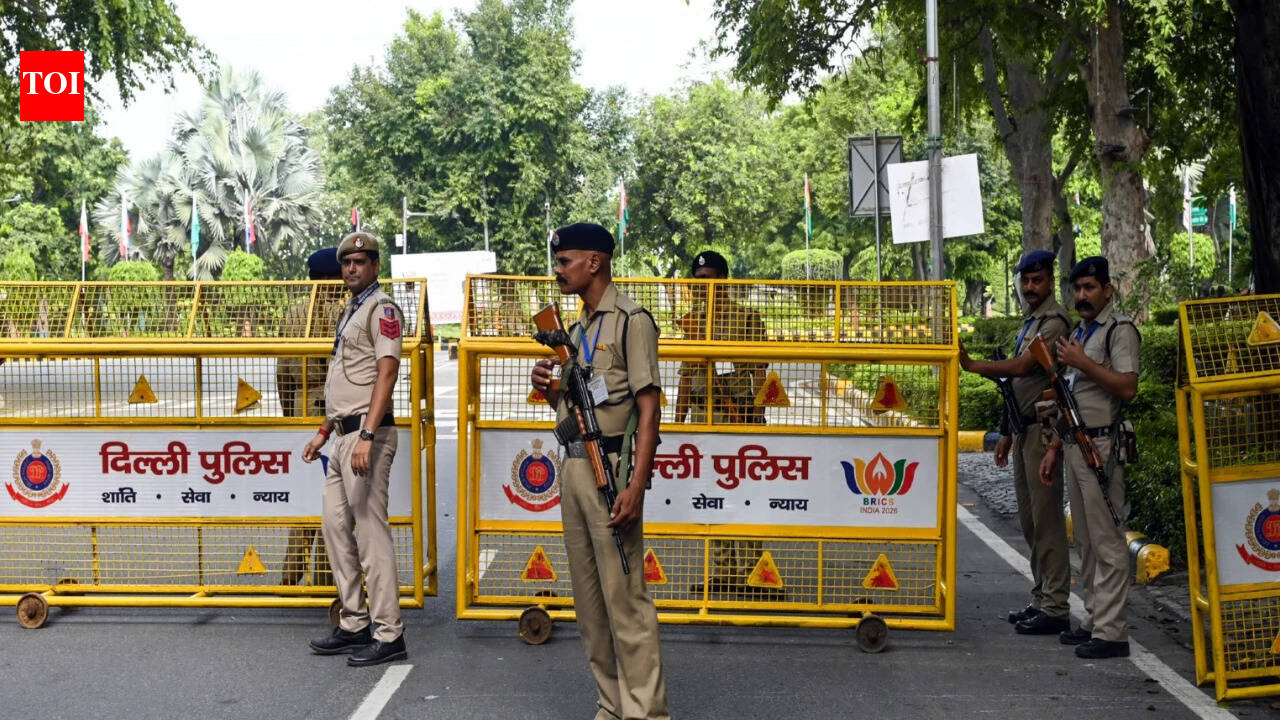
Delhi Police files cases over INDIA bloc protest

India appoints four new governors and transfers two others

Delhi seeks to keep 273 CAPF companies deployed until October 20

Former MP Brajmohan Ram appointed Odisha governor

Siddaramaiah seeks court order over alleged sting operation
Young Indians protest voter list review they say threatens voting rights
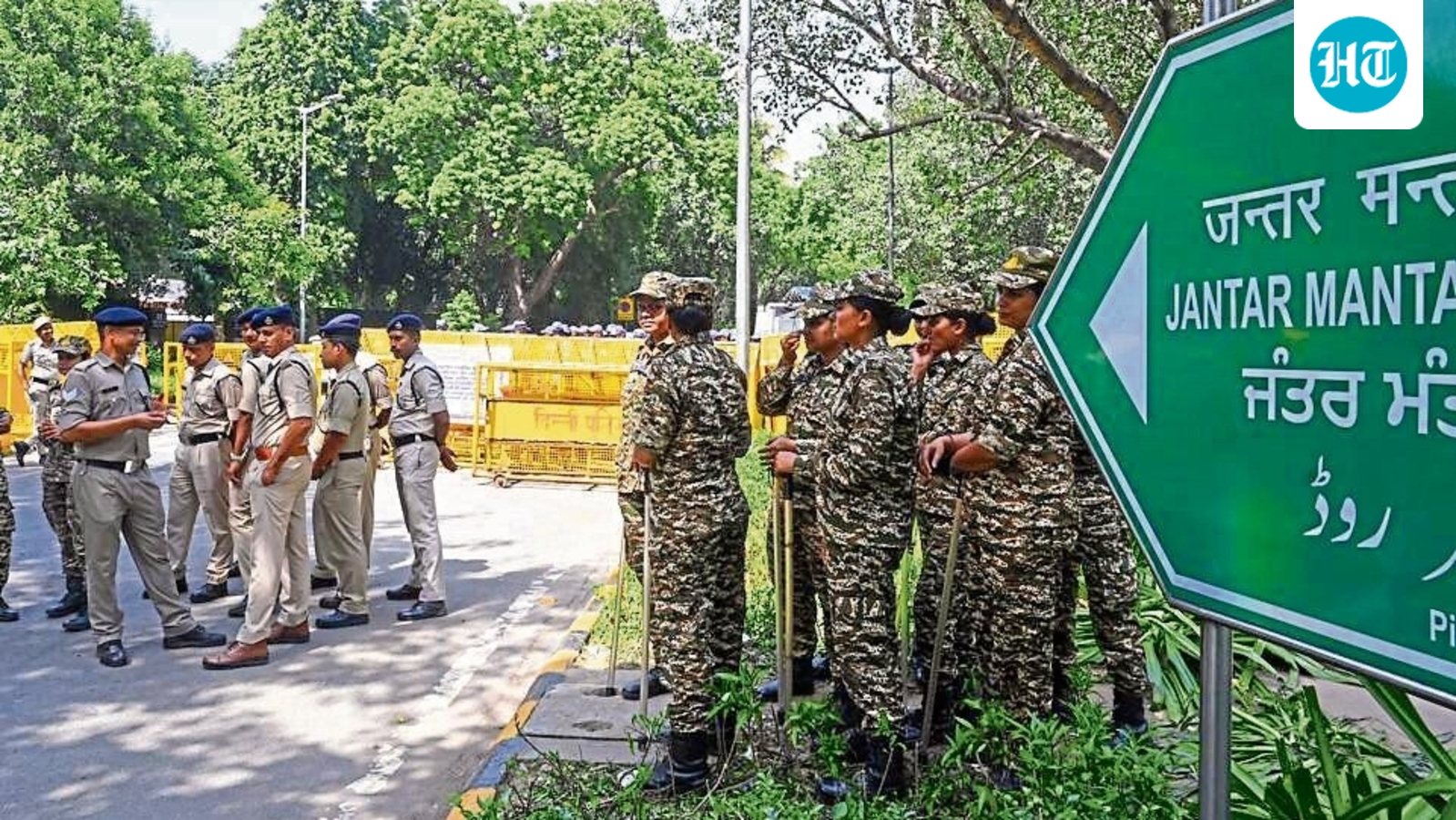
Delhi police end Jantar Mantar’s status as a protest site

Kerala Congress deletes post telling India’s chief justice to resign
