Health · Medical Research · 6 hrs ago
Cellular recycling does not always decline with age, study finds
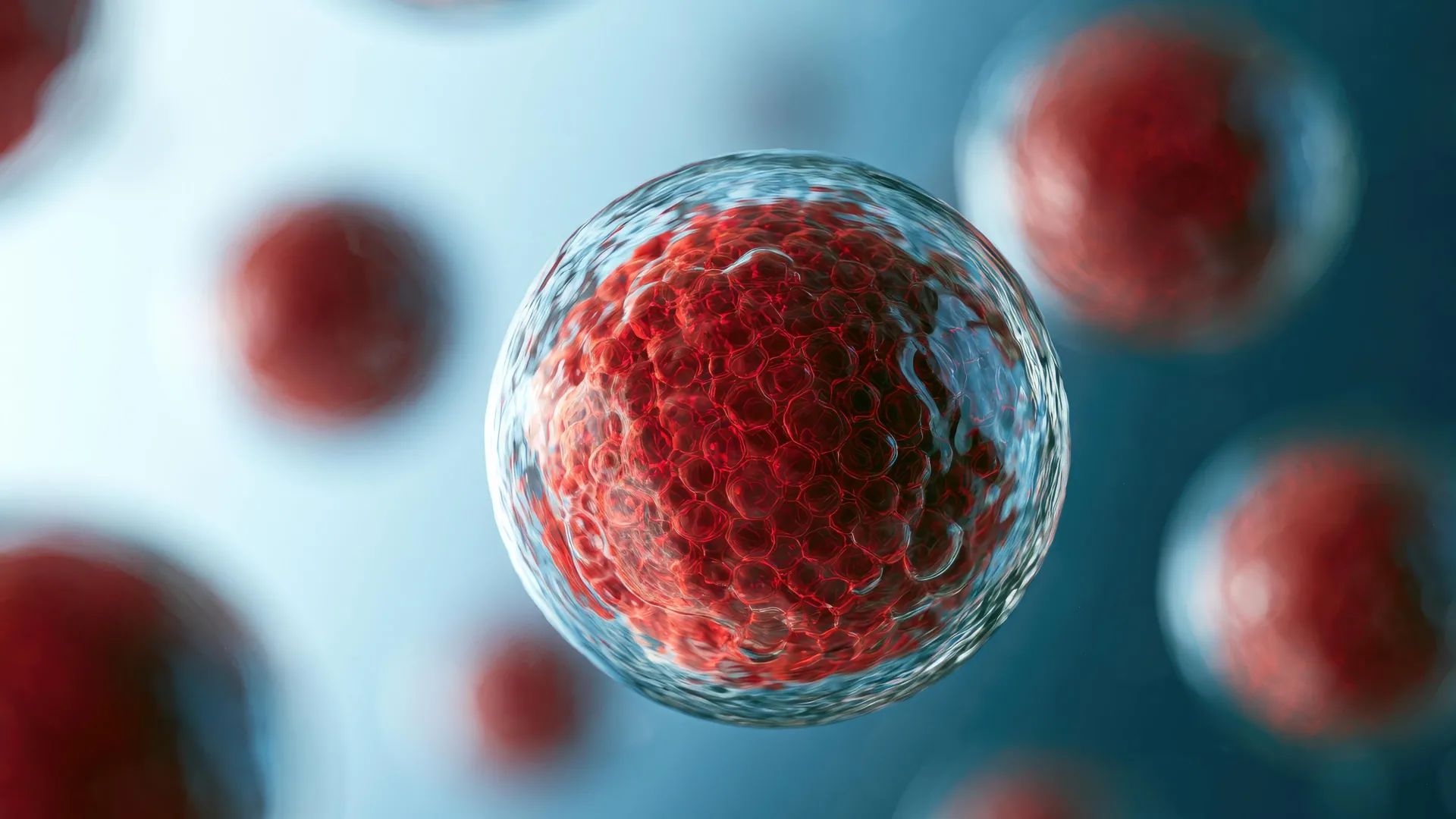
Researchers found that cellular recycling does not always decline with age in a study of healthy volunteers.
The process, called autophagy, breaks down damaged cell material so its parts can be reused.
Researchers at Sanford Burnham Prebys Medical Discovery Institute studied blood and skin samples from volunteers aged 23 to 72, and examined neurons made from some of their skin cells.
The changes differed by cell type and sex: recycling decreased with age in men’s skin cells, stayed relatively stable in women’s skin cells, and increased in neurons derived from women.
This challenges the common view that aging causes a general decline in cellular recycling.
The findings matter because autophagy is linked to cell health, and researchers are interested in targeting it to support healthy aging.

A study found that cellular recycling does not always decline with age.
Researchers reported that autophagy can increase, decrease or remain unchanged depending on cell type and sex.
In male participants’ skin cells, autophagy decreased with age, while it remained relatively stable in female participants’ skin cells.
In induced neurons derived from female participants, autophagy increased with age.
The findings challenge the widely held view that autophagy declines universally as people age.
- Who
- Researchers at Sanford Burnham Prebys Medical Discovery Institute studied cellular recycling in healthy volunteers.
- What
- The study found that autophagy changes with age in different ways depending on cell type and sex.
- When
- The findings were reported on September 27, 2026.
- Where
- Sanford Burnham Prebys Medical Discovery Institute; samples came from volunteers, but their locations are not stated.
- Why
- Researchers sought to investigate what happens to autophagy during aging in healthy individuals and challenge assumptions about its decline.
Traditional view
Study researchers
Autophagy and age
Traditional view
Autophagy is widely considered to decline with age.
Study researchers
The researchers found that its activity does not decline universally and varies by cell type and sex.
Evidence in humans
Traditional view
The traditional view is commonly cited, but the researchers said evidence for it in humans is very thin.
Study researchers
The researchers measured autophagy activity directly as well as examining gene expression.
Researchers at Sanford Burnham Prebys Medical Discovery Institute reported the findings in the journal Aging Cell.
ScienceDaily published its report on the study.
- Study participants
- Volunteers aged 23 to 72 with no reported chronic medical conditions
- Sample types
- Blood and skin samples
- Cell types examined
- Blood cells, skin cells and induced neurons
- Male skin cells
- Autophagy activity decreased with age
- Female skin cells
- Activity remained relatively stable; induced neurons showed increased activity with age
- Journal
- Aging Cell
What people are saying
We commonly see people cite this idea that autophagy declines with age, but the actual evidence for this in humans is very thin
We found that autophagic activity changes were not universal throughout the body and did not follow the idea that autophagy simply declines with age
We wanted to challenge assumptions and investigate what actually happens to autophagy during aging in healthy individuals
Sources
Related news

Pope Leo to have surgery to remove an early-detected lung nodule

Intestinal gases may offer clues about gut health

Pope Leo XIV to have surgery to remove early-stage lung nodule

Pope Leo XIV to have lung nodule removed in surgery this week

Early-onset Alzheimer’s linked to different health problems than later-onset disease

Study links several health issues to early-onset Alzheimer’s years before diagnosis

Pope Leo XIV to have surgery to remove an early-stage lung nodule

Studies differ on whether sperm counts are falling worldwide

Olive oil before glucose reduced blood sugar spikes in mice

Italian experts call for a unified care pathway for metastatic breast cancer
Swiss life expectancy rises slowly as gap between married and single people widens