

Business · Economy · 2 days ago
GST Council ends officers’ arrest powers and raises prosecution threshold to ₹5 crore

India’s GST Council has approved changes to how the goods and services tax is administered.
The changes include ending GST officers’ power to arrest taxpayers and raising the threshold for criminal prosecution from ₹1 crore to ₹5 crore.
The Council also approved simpler registration and a lower threshold for issuing tax notices, along with faster processing of refunds.
These measures are intended to reduce disputes and make it easier for businesses to manage their tax obligations.
The changes follow earlier reforms to GST rates, including a move to two main rates, 5% and 18%.
Most process changes are scheduled to take effect on 1 April 2027.
The Council deferred two proposals on input tax credits for further review by a committee of officers within three months.

The GST Council approved ending GST officers’ arrest powers and raising the prosecution threshold from ₹1 crore to ₹5 crore.
The Council also approved changes aimed at simplifying registration and returns, speeding refunds and reducing disputes.
Most process-related reforms are scheduled to take effect on 1 April 2027.
The Council reduced the general penalty to ₹10,000 and set a ₹10,000 threshold for issuing GST notices.
Some input tax credit proposals were referred to a committee of officers for examination.
- Who
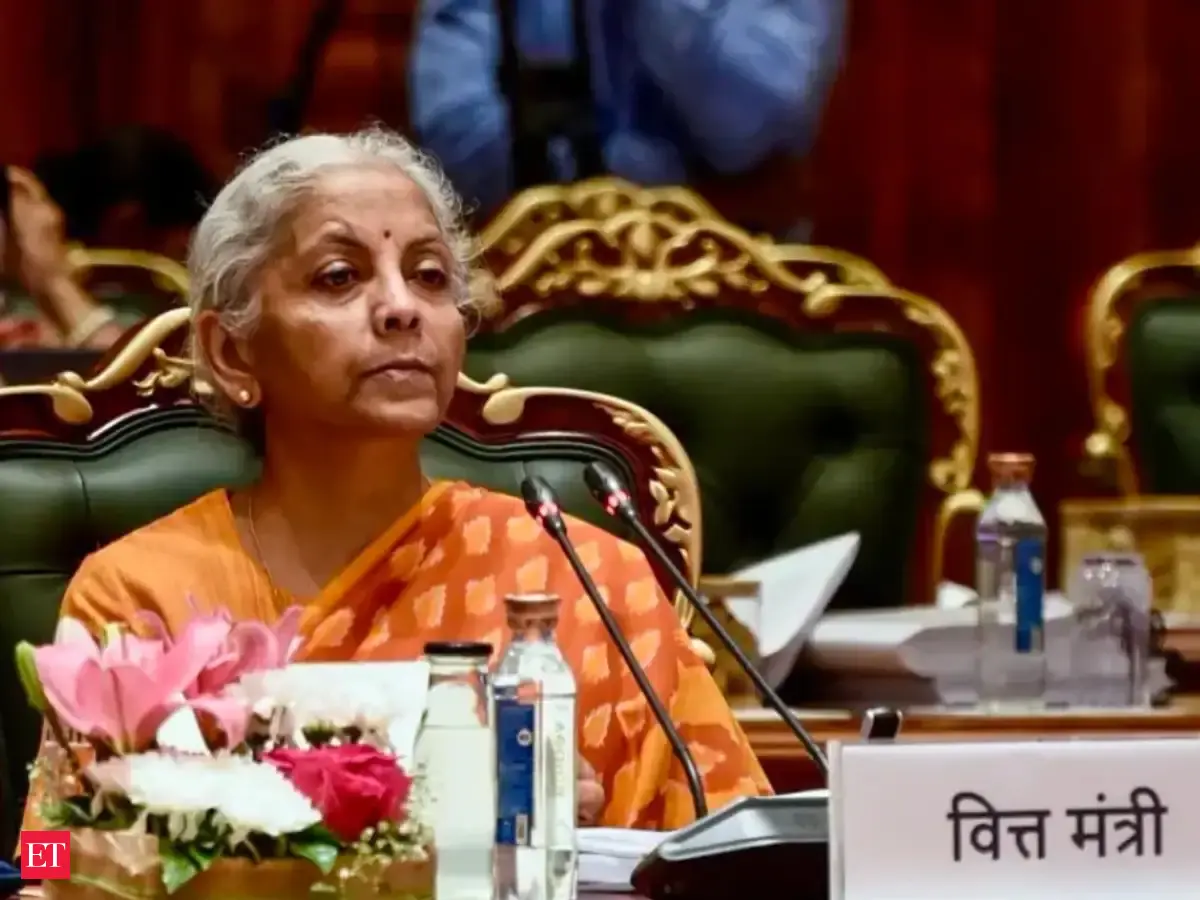
- The GST Council approved the changes. Finance Minister Nirmala Sitharaman announced them.
- What
- The Council ended GST officers’ arrest powers and raised the prosecution threshold to ₹5 crore, among other administrative reforms.
- When
- The decisions were reported on 8 and 9 October 2026. Process-related changes are scheduled for 1 April 2027.
- Where
- New Delhi. The Council’s meeting was held in India.
- Why
- The reforms aim to simplify GST administration, reduce disputes and improve ease of doing business.
This story does not have two clearly opposing sides.
The focus is on simpler registration and returns, faster refunds, fewer disputes and smoother movement of goods
Business has to be trusted. Taxpayers have to be trusted. And businesses among themselves with trust, if they do it, we shouldn't be too intrusive...In GST next gen reform, 99 per cent issues have been addressed, (both in) rate or process
The proposed decriminalisation of certain offences, rationalisation of penal provisions, raising of the prosecution threshold to Rs 5 crore and withdrawal of GST officers' arrest powers under Section 69, collectively seek to draw a clearer line between genuine non-compliance, interpretational disputes and deliberate fraud
India announced wide-ranging GST rate cuts and moved to a two-slab structure, according to Economic Times.
Mint reported that the GST Council had cleared changes including ending arrest powers and raising the prosecution threshold.
The extended inverted-structure refunds will apply prospectively to tax credit accumulated from this date, Economic Times reported.
Process-related reforms are scheduled to come into force.
- Prosecution threshold
- Raised from ₹1 crore to ₹5 crore
- Notice threshold
- ₹10,000
- General penalty
- Reduced to ₹10,000
- Process reforms start
- 1 April 2027
- Committee review
- Input tax credit proposals to be examined within three months
- Refund acknowledgement
- Timeline reduced from 15 days to 10 days
Sources
Related news
India opens dollar window for oil companies to support the rupee

Musk says Starlink will be affordable in India as it seeks to compete with Jio

DMart Q2 profit rises 8.5% as revenue grows 17.8%

Hyundai nears 10 million cumulative vehicle sales in India
Amitabh Kant urges India to cut bank liquidity ratio to boost manufacturing

SEBI expects derivative expiry-price guidelines within a week

Musk criticizes Ambani as Starlink awaits approval to launch in India

Vellore job fair draws more than 2,000 participants and 100 companies

Musk renews criticism of Ambani over Starlink’s planned India launch

White paper examines AI’s effects on India’s workforce

Tea Board plans changes to make India’s tea auctions more efficient
