Health · Mental Health · 14 hrs ago
ADHD symptoms in adulthood may reflect difficulties hidden since childhood
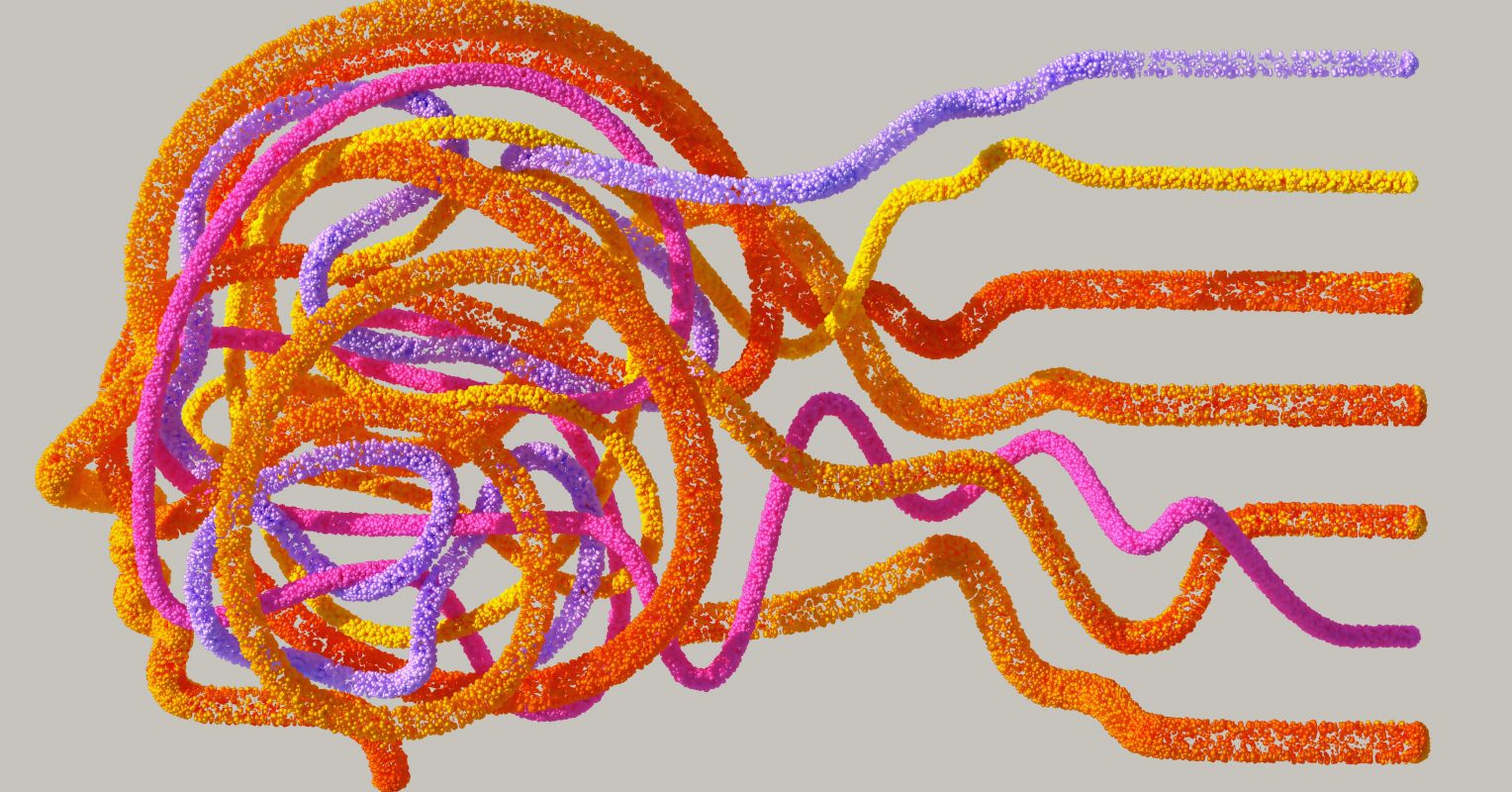
Some adults first notice ADHD difficulties in adulthood, such as trouble starting tasks, meeting deadlines and managing attention.
ADHD diagnostic rules require symptoms to have been present before age 12.
Long-term studies published around 2015 found adults who met ADHD criteria despite no clear childhood diagnosis or reported symptoms.
Researchers later suggested the difficulties may have been hidden, rather than newly appearing, through coping strategies and support.
High ability, strict routines or a structured school environment can help someone manage challenges without others noticing.
Those supports may no longer be enough when life demands increase, making problems with planning and attention more visible.
The account describes how clinicians look at childhood records and early life to understand a person’s history.

Some adults who appear to develop ADHD later in life may have had symptoms since childhood that were hidden by coping strategies or structured environments.
Longitudinal studies published around 2015 found adults who met ADHD criteria in their thirties but had not been diagnosed or shown significant symptoms in childhood.
The article says later research and clinical evaluations suggest these symptoms may have been present but masked rather than newly emerging.
High cognitive ability, creative strengths and structured support can help people compensate for ADHD-related difficulties.
The article says difficulties can become more visible when those supports no longer meet a person’s needs.
- Who
- Adults who meet ADHD criteria later in life, and clinicians and researchers studying them.
- What
- The article examines whether ADHD symptoms that become apparent in adulthood may have been hidden since childhood.
- When
- The article discusses studies conducted around 2015 and adults who meet ADHD criteria in their thirties.
- Where
- Not stated.
- Why
- Coping strategies and structured environments may have masked difficulties; the article says symptoms can become more visible when that support falls away.
Researchers finding apparent adult-onset ADHD
Clinicians and researchers arguing symptoms were hidden since childhood
Interpretation
Researchers finding apparent adult-onset ADHD
Studies found adults in their thirties who met ADHD criteria but had no significant symptoms or diagnosis in childhood.
Clinicians and researchers arguing symptoms were hidden since childhood
The article says closer examination suggests ADHD was present but masked.
This story does not have a timeline yet.
- Diagnostic age
- ADHD symptoms must be present before age 12 under current diagnostic manuals, according to the article.
- Studies
- Longitudinal studies followed thousands of individuals from birth into adulthood.
- Age
- Some adults met full ADHD criteria in their thirties.
- Possible masking factors
- High cognitive reserve, structured environments and coping mechanisms.
What people are saying
Is it possible I just developed ADHD as an adult? Because I swear I wasn't like this as a kid.
Sources
Related news
Man recounts recovery from severe head injury in a book

Putting distance between yourself and your phone can help reclaim attention

Boreout links workplace boredom to emotional distress

Study links language patterns in life stories to psychopathic traits
When anxiety symptoms may call for professional help

Study links cannabis-related anxiety in mice to central amygdala neurons
Source text does not contain the reported story

A Career Decision Shows the Balance Between Risk and Familiarity
Experts answer questions about the manosphere and its influence on young men

Setting clear goals can help people make lasting personal changes

Twin study links recreational screen use with later mental health symptoms