

Health · Mental Health · 4 hrs ago
Boreout links workplace boredom to emotional distress

Boreout describes emotional distress linked to boredom and too little stimulation at work.
It differs from burnout, which is associated with excessive work demands.
Repetitive tasks, too few suitable challenges and limited growth prospects can contribute to boreout.
People may experience ongoing loss of motivation, irritability, trouble concentrating, low self-esteem or mental fatigue.
Boreout is not recognized as a clinical diagnosis in major disease classification systems, and these symptoms can also be linked to other conditions.
People with persistent symptoms should seek professional assessment, especially if their personal life is affected.
Psychological support can help them understand the causes and find ways to build a healthier relationship with work, while medical assessment may be needed for more serious symptoms.

Boreout describes psychological distress linked to workplace boredom and a lack of professional stimulation.
Psychologist Denise Milk Vargas said it is not recognised as a clinical diagnosis in major disease classification systems.
Repetitive tasks, insufficient challenges and a lack of growth prospects are among the factors associated with boreout.
Signs can include persistent demotivation, irritability, difficulty concentrating and low self-esteem.
Vargas advised seeking professional assessment when symptoms persist or affect personal life.
- Who
- Workers experiencing workplace boredom and insufficient stimulation. Psychologist Denise Milk Vargas discussed the condition.
- What
- Boreout is a term for psychological distress linked to boredom and a lack of professional stimulation.
- When
- The article was published on October 13, 2026.
- Where
- Not stated
- Why
- It can arise when workers feel their abilities are wasted or their work lacks challenge, meaning or prospects for growth.
This story does not have two clearly opposing sides.
This story does not have a timeline yet.
- Article publication
- October 13, 2026
- Psychologist
- Denise Milk Vargas
- Clinical status
- Not recognised as a diagnosis in major disease classification systems
- Possible workplace factors
- Repetitive tasks, insufficient challenges, lack of growth prospects and work perceived as meaningless
What people are saying
There is an important difference between having a calm routine and feeling professionally emptied.
Psychological support can help understand the factors involved, recover a sense of personal value, develop coping strategies and build paths to a healthier relationship with work.
Sources
Related news
Man recounts recovery from severe head injury in a book

Putting distance between yourself and your phone can help reclaim attention

Study links language patterns in life stories to psychopathic traits
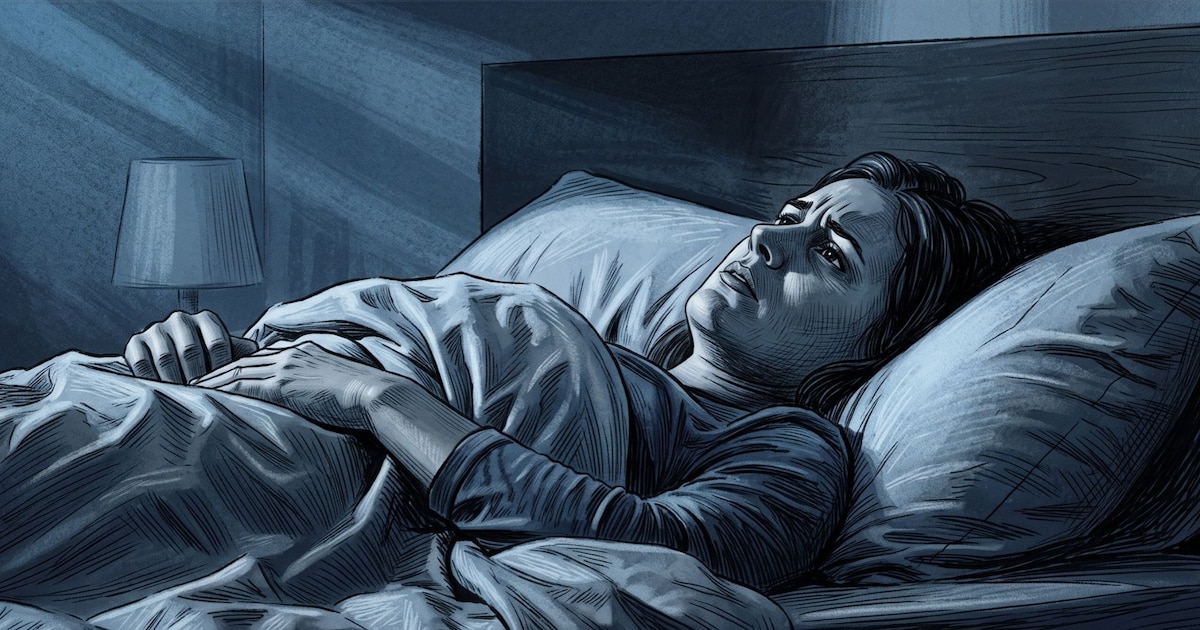
When anxiety symptoms may call for professional help

Study links cannabis-related anxiety in mice to central amygdala neurons
Source text does not contain the reported story

A Career Decision Shows the Balance Between Risk and Familiarity
Experts answer questions about the manosphere and its influence on young men

Setting clear goals can help people make lasting personal changes

Twin study links recreational screen use with later mental health symptoms

A psychologist’s burnout was linked to patterns learned in childhood
